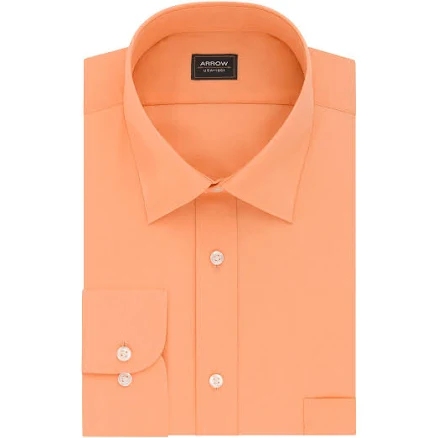
Arrow · Stain-Resistant Professional Workwear
Arrow Men's Athletic-Fit Wrinkle-Free Spread-Collar Dress Shirt
Wrinkle-free finish suggests PFAS; Arrow stays silent.
Cotton blend dress shirt with wrinkle and stain resistance, yet Arrow won't say what chemicals are involved or if PFAS is present.
Still want this one anyway? Check the price on Amazon. We’d swap it.
Material
Cotton blend with wrinkle-free and stain-resistant finish
Brand disclosure
Brand is silent on PFAS
Lab data
No public lab test
You may also be interested in
Top-graded picks in the categories readers replace first, every one scored on the same rubric.

- polypropylene filter housing, carbon/sediment cartridge
- We found no PFAS statement from the brand
- Bacterial growth in spent cartridges
3 hazards checked on this product, all on its full breakdown.

Aquasure
Premier Series 75 GPD Under Sink Reverse Osmosis Water Filtration System
- RO membrane, carbon filters, stainless steel housing
- We found no PFAS statement from the brand
- Bacterial and microbial growth in housing and filters
4 hazards checked on this product, all on its full breakdown.

Avocado
Vegan Mattress
- organic cotton, natural latex, coconut coir, recycled steel coils
- The brand calls it PFAS-free, which we have not verified
- Heavy metals
2 hazards checked on this product, all on its full breakdown.
What Arrow Men's Athletic-Fit Dress Shirt is made of, ingredients and materials
This shirt is a cotton blend with a 'wrinkle-free' and 'stain-resistant' finish, which typically requires durable press (DP) or similar chemical treatments applied to the fabric. The wrinkle-free finish is almost certainly a fluorocarbon-based or silicone-based coating; wrinkle-free cotton almost never exists without post-treatment. Cotton itself is low-risk, but the finishing chemicals are the primary hazard vector here. Stain resistance often involves the same fluorocarbon family as water-repellent treatments.
What’s concerning
Category baseline
The starting point for this type of product, before anything specific to this product is counted.
No PFAS disclosure
No public statement from the brand about PFAS in this product.
Waterproof / stain-resistant treatment
Water-repellent coating treatments have historically used PFAS.
Formaldehyde / VOCs
Wrinkle-free treatments on cotton often use formaldehyde-based resins (e.g., methylol compounds) that release low levels of formaldehyde during wear and washing. New garments may off-gas formaldehyde; this dissipates with laundering but can cause mild irritation in sensitive users on first wear.
Source, ATSDR ↗Fluorocarbon coating residues and off-gassing
Stain-resistant finishes commonly contain Teflon-type coating or other fluorocarbons; while Teflon-type coating itself is thermally stable at normal wear temperatures, coating degradation with age and laundering can release microparticles. This is covered under the separate PFAS grade but represents a persistent residue concern.
Antimony in polyester blend component
If the cotton blend includes significant polyester (common in wrinkle-free blends), antimony catalyst residues may be present in trace amounts. Typical exposure from wearing treated textiles is very low and not established as a skin-contact hazard, but complete absence is not guaranteed.
Chemical migration with heat or sweat
Finishing chemicals may migrate slightly onto skin under warm, humid conditions (heavy sweating, high room temperature). This is generally low-risk for brief exposure but could be relevant for individuals with sensitive skin wearing the shirt for extended periods.
What’s reassuring
Azo dyes and allergenicity
No specific recalls or reports link Arrow dress shirts to azo dye issues. Cotton blends in this category are typically low-risk for restricted azo dyes if made to US/EU standards, though brand does not publicly verify dye chemistry.
How is this PFAS grade calculated?
The brand's record and disclosure
Arrow (a VF Corporation brand) has not made public commitments to phasing out PFAS in apparel or published detailed chemical disclosure policies for finishing treatments. The brand does not appear on lists of signatories to the Roadmap to Zero PFAS or similar textile industry initiatives. No major recalls or contamination incidents specific to Arrow dress shirts are on record, but the company's silence on wrinkle-free chemical identity is typical of the mainstream apparel industry and represents a disclosure gap rather than active harm.
How it compares in its category
Most wrinkle-free dress shirts at this price point use similar DP finishes; Arrow is not an outlier in this regard. Premium alternatives (e.g., some Lands' End or higher-end brands) have begun disclosing DP chemistry or offering untreated alternatives with higher maintenance. Budget and mid-market brands like this typically do not disclose finishing agents. The wrinkle-free feature is the trade-off consumers make; avoiding it entirely means accepting higher ironing burden.
If you buy it
Wash in warm water and dry on low or line-dry to reduce heat exposure and potential off-gassing of residual finishing chemicals. Avoid chlorine bleach, which can degrade the finish and potentially alter chemical behavior. Laundering helps remove unreacted finishing compounds; new garments typically shed residual chemicals in the first 3-5 washes. Replace when the wrinkle-free finish visibly degrades (loss of shape retention or increased wrinkling), typically after 50-100 washes depending on care.
What is not known about PFAS in this product?
- Basis
- Model estimate, 45% confidence, not a lab result
- Lab test
- None on record for this exact product
- Brand statement
- Arrow has made none
Formulations change between production runs, so check the current label. How we grade.
What are the PFAS-free alternatives to Arrow Men's Athletic-Fit Wrinkle-Free Spread-Collar Dress Shirt?
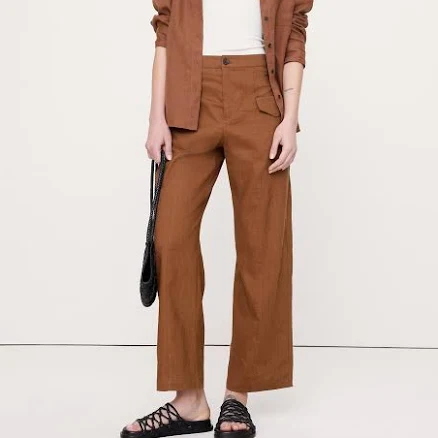
- linen-viscose blend, no water-resistant finish
- We found no PFAS statement from the brand
- Formaldehyde / VOCs
3 hazards checked on this product, all on its full breakdown.
Find an alternative on Amazon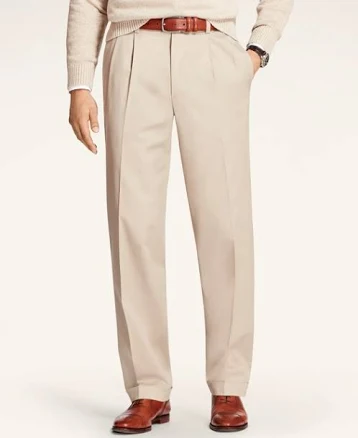
- 100% cotton, pleated, no stated treatment
- We found no PFAS statement from the brand
- Residual azo dyes and synthetic dye intermediates
2 hazards checked on this product, all on its full breakdown.
Find an alternative on Amazon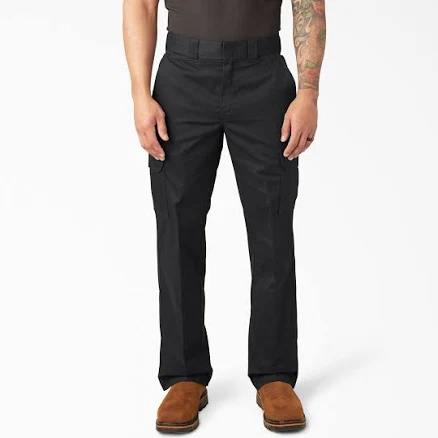
- 100% cotton twill, no water-resistant treatment
- We found no PFAS statement from the brand
- Azo dyes and residual finishing agents
2 hazards checked on this product, all on its full breakdown.
Find an alternative on AmazonMore stain-resistant professional workwear grades
How we score, every product runs through the same public 0-100 rubric based on materials, coatings, brand disclosure, lab findings, and recalls. See the full methodology → Spotted a mistake? Report an error.