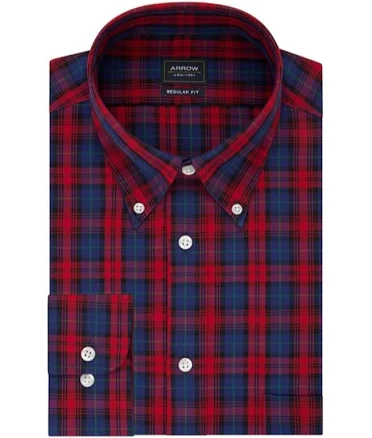
Arrow · Stain-Resistant Professional Workwear
Arrow Men's Regular-Fit Wrinkle-Resistant Dress Shirt
Wrinkle and stain treatments often use PFAS; no brand disclosure.
Cotton blend dress shirt treated for wrinkles and stains, but Arrow provides no clarity on chemical composition. Independent testing would help.
Still want this one anyway? Check the price on Amazon. We’d swap it.
Material
Cotton blend with wrinkle-resistant and stain-resistant finish
Brand disclosure
Brand is silent on PFAS
Lab data
No public lab test
You may also be interested in
Top-graded picks in the categories readers replace first, every one scored on the same rubric.

- polypropylene filter housing, carbon/sediment cartridge
- We found no PFAS statement from the brand
- Bacterial growth in spent cartridges
3 hazards checked on this product, all on its full breakdown.

Aquasure
Premier Series 75 GPD Under Sink Reverse Osmosis Water Filtration System
- RO membrane, carbon filters, stainless steel housing
- We found no PFAS statement from the brand
- Bacterial and microbial growth in housing and filters
4 hazards checked on this product, all on its full breakdown.

Avocado
Vegan Mattress
- organic cotton, natural latex, coconut coir, recycled steel coils
- The brand calls it PFAS-free, which we have not verified
- Heavy metals
2 hazards checked on this product, all on its full breakdown.
What Arrow Men's Regular-Fit Dress Shirt is made of, ingredients and materials
Arrow's wrinkle-resistant dress shirt is a cotton blend, likely cotton-polyester mix (exact ratio not specified in standard product info). The wrinkle-resistant finish is the chemical concern, these finishes typically use either formaldehyde-based resins or water-repellent coating coatings (often PFAS-based) to lock fiber structure and improve stain resistance. The cotton portion reduces inherent chemical load compared to 100% synthetic fabrics, but the finish chemistry is the wildcard Arrow does not publicly disclose.
What’s concerning
Category baseline
The starting point for this type of product, before anything specific to this product is counted.
No PFAS disclosure
No public statement from the brand about PFAS in this product.
Waterproof / stain-resistant treatment
Water-repellent coating treatments have historically used PFAS.
Formaldehyde / VOCs
Wrinkle-resistant finishes commonly use formaldehyde-based resins (e.g., methylol compounds). Arrow does not disclose the finish type. New shirts may off-gas formaldehyde; washing reduces this significantly. Individuals with sensitivity may experience skin irritation.
Source, ATSDR ↗Heavy metals
Cotton-blend dress shirts can use azo dyes (which degrade to carcinogenic amines) and may contain heavy metals in pigments, especially if dyed with non-certified processes. Arrow provides no dye or pigment testing data. Risk is low for incidental skin exposure but non-zero.
Source, FDA ↗Polyester antimony catalyst residue
If the polyester portion uses antimony as a polymerization catalyst (common in polyester production), trace residues may remain. Antimony migration into skin through sweat is minimal but documented in some studies. Arrow does not specify antimony content or removal processes.
PFAS
Stain-resistant finishes frequently use PFAS-based durable water repellents. Arrow's silence on chemistry strongly suggests PFAS presence. This is addressed separately in PFAS grading but note that washing reduces PFAS levels on the fabric.
Source, ATSDR ↗Formaldehyde / VOCs
In addition to the wrinkle-resistant finish, some dyes and fabric treatments may include formaldehyde-releasing biocides or preservatives. Combined exposure is low but cumulative. Pre-wash mitigates this.
Source, ATSDR ↗How is this PFAS grade calculated?
The brand's record and disclosure
Arrow (owned by Iconix Brand Group) does not maintain a public chemical disclosure policy or sustainability report focused on restricted substances in apparel. No major safety recalls or formaldehyde/dye violations are on record for Arrow dress shirts. The brand's silence on wrinkle-resistant chemistry and PFAS use is typical of mainstream dress-shirt manufacturers but contrasts with certified alternatives (GOTS organic, OEKO-TEX) that publicly test for these chemicals. Without third-party certification or brand transparency, buyers cannot verify chemical composition at purchase.
How it compares in its category
Standard wrinkle-resistant dress shirts across most brands (including Dockers, Van Heusen, Haggar) use the same undisclosed finish chemistry; Arrow is unremarkable in this respect. Certified alternatives (OEKO-TEX, GOTS organic, or brands like Patagonia) cost 30-50% more but test and limit formaldehyde, azo dyes, and heavy metals. For price and convenience, Arrow sits in the mass-market norm; for chemical transparency, it lags certified competitors.
If you buy it
Wash before first wear to reduce formaldehyde release and residual dyes; hot water is lower concern for cotton-blend durability. Dry normally; no special heat limits apply to the fabric itself. Replace when collar frays or seams fray (typically 2-3 years of regular wear). If you notice skin irritation after wearing, consider switching to a certified or formaldehyde-tested alternative, as sensitivity to finishes varies by individual. Machine wash warm and tumble dry on medium heat without concern.
What is not known about PFAS in this product?
- Basis
- Model estimate, 45% confidence, not a lab result
- Lab test
- None on record for this exact product
- Brand statement
- Arrow has made none
Formulations change between production runs, so check the current label. How we grade.
What are the PFAS-free alternatives to Arrow Men's Regular-Fit Wrinkle-Resistant Dress Shirt?
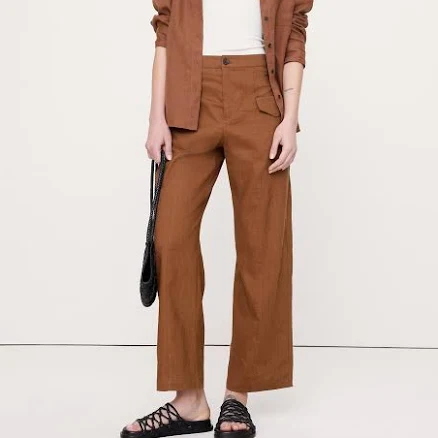
- linen-viscose blend, no water-resistant finish
- We found no PFAS statement from the brand
- Formaldehyde / VOCs
3 hazards checked on this product, all on its full breakdown.
Find an alternative on Amazon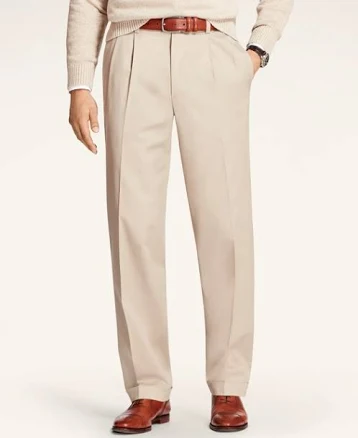
- 100% cotton, pleated, no stated treatment
- We found no PFAS statement from the brand
- Residual azo dyes and synthetic dye intermediates
2 hazards checked on this product, all on its full breakdown.
Find an alternative on Amazon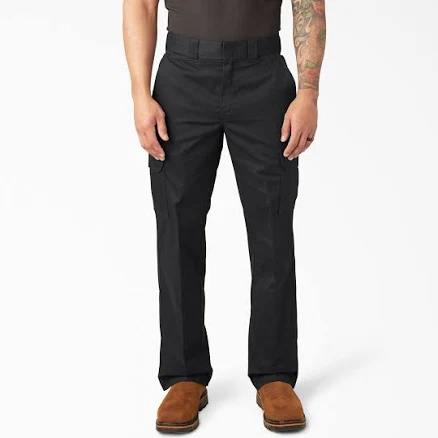
- 100% cotton twill, no water-resistant treatment
- We found no PFAS statement from the brand
- Azo dyes and residual finishing agents
2 hazards checked on this product, all on its full breakdown.
Find an alternative on AmazonMore stain-resistant professional workwear grades
How we score, every product runs through the same public 0-100 rubric based on materials, coatings, brand disclosure, lab findings, and recalls. See the full methodology → Spotted a mistake? Report an error.