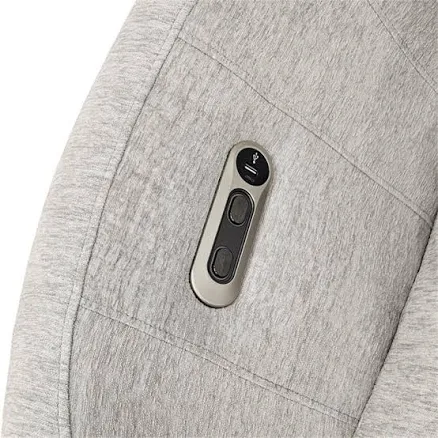
Parker House Radius Power Swivel Glider Recliner
Lower PFAS concern for typical upholstered recliner, but no public PFAS disclosure from Article.
This standard upholstered recliner with fabric and foam isn't inherently prone to PFAS like nonstick or water-repellent coating coatings. Article doesn't publicly disclose PFAS testing or absence.
We flunk more products than we pass. This one earned its grade. How we grade
Material
fabric upholstery and foam cushioning
Brand disclosure
Brand is silent on PFAS
Lab data
No public lab test
You may also be interested in
Top-graded picks in the categories readers replace first, every one scored on the same rubric.

- polypropylene filter housing, carbon/sediment cartridge
- We found no PFAS statement from the brand
- Bacterial growth in spent cartridges
3 hazards checked on this product, all on its full breakdown.

Aquasure
Premier Series 75 GPD Under Sink Reverse Osmosis Water Filtration System
- RO membrane, carbon filters, stainless steel housing
- We found no PFAS statement from the brand
- Bacterial and microbial growth in housing and filters
4 hazards checked on this product, all on its full breakdown.

Avocado
Vegan Mattress
- organic cotton, natural latex, coconut coir, recycled steel coils
- The brand calls it PFAS-free, which we have not verified
- Heavy metals
2 hazards checked on this product, all on its full breakdown.
What Parker House Radius Power Glider Recliner is made of, ingredients and materials
The Parker House Radius uses conventional polyurethane foam cushioning and synthetic or blend fabric upholstery, both common recliner materials. Polyurethane foam is not inherently hazardous but degrades over time, shedding microparticles; fabric composition (polyester, acrylic, or cotton blends) determines off-gassing and fire-retardant chemical load. The swivel glider mechanism uses metal/plastic joints that typically do not pose direct chemical risk unless lubricants or adhesives degrade. Article does not publish material certifications or detailed fiber/foam specs on this model, limiting independent verification of chemical content.
What’s concerning
Category baseline
The starting point for this type of product, before anything specific to this product is counted.
No PFAS disclosure
No public statement from the brand about PFAS in this product.
Flame retardants
US furniture must meet flammability standards (16 CFR 1633-1634), typically via chemical additives in foam or fabric. Article does not disclose whether brominated, phosphate-based, or other retardants are used in the Radius; conventional polyurethane foam often contains flame-retardant compounds that may off-gas or migrate to skin over years of use.
Source, EPA ↗Formaldehyde / VOCs
Synthetic upholstery fabrics and foam bonding adhesives may contain formaldehyde-releasing resins. Article's lack of Oeko-Tex or GREENGUARD certification means no third-party verification of formaldehyde limits, though typical upholstered furniture emissions are generally low after initial off-gassing.
Source, ATSDR ↗Polyurethane foam degradation and microparticle shedding
Polyurethane cushioning breaks down with age, heat, and friction, releasing fine particles that can be inhaled or settle on surfaces. This is documented in older recliners and is not specific to Article but inherent to the material; replacement is the only mitigation.
Volatile organic compounds (VOCs) from off-gassing
New upholstered furniture typically off-gasses solvents, adhesive volatiles, and fabric treatments for weeks after delivery. The Radius is made with standard materials and no low-VOC certification; initial odor is normal but should diminish with ventilation.
What’s reassuring
Base material not linked to PFAS
The main material recorded for this product is not one associated with PFAS.
Electrical hazard (motorized mechanism)
No chemical hazard, but motor and wiring are reliability concerns. Fires or electrical failures are extremely rare in modern UL-certified recliner motors but represent a small non-chemical risk compared to upholstery hazards.
How is this PFAS grade calculated?
The brand's record and disclosure
Article (a direct-to-consumer furniture retailer) has not established a public stance on flame retardants, formaldehyde emissions, or PFAS in upholstery. The brand does not list third-party certifications (GREENGUARD, Oeko-Tex, or Cradle to Cradle) for this recliner on product pages. No major recalls or chemical controversies are on record for Article recliners, but the company's silence on material sourcing and testing reflects an industry-wide lack of transparency rather than confirmed safety.
How it compares in its category
Standard upholstered recliners like this one carry similar baseline risks, synthetic foam and fabric are the norm, and most mainstream brands (including Article, Wayfair-owned lines, and big-box retailers) do not disclose flame-retardant chemistry. Brands like West Elm, CB2, and specialty makers (e.g., EQ3) occasionally list certifications or natural-material options, making them marginally more transparent. The Radius Power Swivel's motorized mechanism adds electronics (wiring, control board) that are not a chemical hazard but increase complexity and repair costs relative to manual gliders.
If you buy it
Ventilate the room for 24-48 hours after delivery to minimize off-gassing of adhesives and foam volatiles. Use a mattress protector or furniture throw to reduce direct skin contact with upholstery, especially relevant if you have sensitivities. Inspect seams and foam annually for tears or degradation; replace cushions if foam flattens or crumbles, as deteriorating polyurethane can shed particles. Keep electrical components dry and test the power mechanism monthly; motor and wiring failures are more common failure points than chemical leaching in motorized recliners.
What is not known about PFAS in this product?
- Basis
- Model estimate, 62% confidence, not a lab result
- Lab test
- None on record for this exact product
- Brand statement
- Parker House has made none
Formulations change between production runs, so check the current label. How we grade.
More recliners grades
How we score, every product runs through the same public 0-100 rubric based on materials, coatings, brand disclosure, lab findings, and recalls. See the full methodology → Spotted a mistake? Report an error.