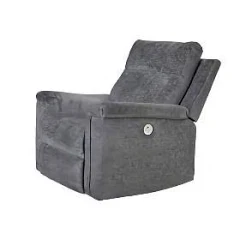
Ashley Barnsana Power Recliner
Lower PFAS concern for standard power recliner, but no transparency from Ashley Furniture on flame retardants or fabric treatments.
Power recliners typically use conventional upholstery fabric and foam without intentional PFAS coatings. Ashley Furniture provides no disclosure about flame-retardant chemicals or stain treatments on this model.
We flunk more products than we pass. This one earned its grade. How we grade
Material
upholstered fabric, foam, metal frame
Brand disclosure
Brand is silent on PFAS
Lab data
No public lab test
You may also be interested in
Top-graded picks in the categories readers replace first, every one scored on the same rubric.

- polypropylene filter housing, carbon/sediment cartridge
- We found no PFAS statement from the brand
- Bacterial growth in spent cartridges
3 hazards checked on this product, all on its full breakdown.

Aquasure
Premier Series 75 GPD Under Sink Reverse Osmosis Water Filtration System
- RO membrane, carbon filters, stainless steel housing
- We found no PFAS statement from the brand
- Bacterial and microbial growth in housing and filters
4 hazards checked on this product, all on its full breakdown.

Avocado
Vegan Mattress
- organic cotton, natural latex, coconut coir, recycled steel coils
- The brand calls it PFAS-free, which we have not verified
- Heavy metals
2 hazards checked on this product, all on its full breakdown.
What Ashley Barnsana Power Recliner is made of, ingredients and materials
The Barnsana uses polyurethane foam cushioning, woven upholstery fabric (likely polyester blend), and a steel frame with electrical motorized components. Polyurethane foam is a common recliner cushioning material but can off-gas volatile organic compounds (VOCs) during initial use and over years of wear. The fabric composition and any applied stain/water repellent treatments are the primary chemical exposure vectors in upholstered recliners, though Ashley does not publicly disclose specific fabric specifications or treatments for this model.
What’s concerning
Category baseline
The starting point for this type of product, before anything specific to this product is counted.
No PFAS disclosure
No public statement from the brand about PFAS in this product.
Flame retardants
U.S. flammability standards (16 CFR 1632/1633) require polyurethane recliners to meet ignition resistance, typically achieved via brominated or phosphate-based flame retardants blended into foam or applied to fabric. Ashley does not publicly disclose which chemistry is used in the Barnsana, so presence cannot be confirmed but should be assumed.
Source, EPA ↗VOC off-gassing from polyurethane foam
Polyurethane foam cushioning in upholstered furniture routinely emits volatile organic compounds for weeks to months after manufacture, particularly isocyanates and other aldehydes. Initial off-gassing is strongest in the first 24-72 hours and decreases over time; ventilation during this period significantly reduces inhalation exposure.
Formaldehyde / VOCs
Polyester and polyester-blend upholstery fabrics sometimes use formaldehyde-releasing resins to improve dye fixation and water repellency. Ashley does not disclose fabric treatment standards, so presence is unconfirmed but plausible for a mass-market recliner at this price tier.
Source, ATSDR ↗Foam degradation and particulate shedding
Polyurethane cushioning foam degrades over 5 to 10 years of normal use, breaking down into fine particles that can become airborne if the upholstery cover tears or seams fail. Inspection of cushion integrity and prompt repair of cover damage prevents exposure.
Mold and bacterial growth in foam (moisture-related)
If the recliner is exposed to humidity, spills, or steam cleaning, polyurethane foam can retain moisture and support mold and bacterial colonization. Risk is low under normal dry indoor use but increases significantly in humid climates or with poor maintenance.
What’s reassuring
Base material not linked to PFAS
The main material recorded for this product is not one associated with PFAS.
How is this PFAS grade calculated?
The brand's record and disclosure
Ashley Furniture, a major mass-market upholstery manufacturer, has not published comprehensive disclosures about flame retardant chemistry, fabric dye standards, or formaldehyde-releasing resins in their products. The company has faced no major recalls or public chemical hazard controversies on record for standard recliners, but their general opacity on material sourcing and treatment chemistry is consistent across the brand. No third-party certifications (Greenguard, Global Organic Textile Standard) are publicly documented for the Barnsana line.
How it compares in its category
Power recliners at Ashley's price point typically use the same polyurethane foam and polyester-blend upholstery construction as the Barnsana. Higher-end alternatives often carry certifications or published fabric specifications; budget alternatives may use lower-density foam with faster degradation. The electrical motorized base introduces no documented chemical hazards beyond standard power furniture, though mechanical failure and pinch risks are separate safety concerns unrelated to chemistry.
If you buy it
Unbox and allow the recliner to air in a well-ventilated space for 24 to 48 hours to off-gas initial VOCs from foam and adhesives; opening windows or running fans accelerates this process. Vacuum regularly and avoid prolonged heat exposure near radiators or direct sunlight, which can accelerate foam degradation and off-gassing. Inspect seams and foam contact points annually; degrading foam particles can become respirable if the cushion cover tears. Do not use steam cleaners on the upholstery, as moisture ingress can promote mold and bacterial growth in the foam layer.
What is not known about PFAS in this product?
- Basis
- Model estimate, 62% confidence, not a lab result
- Lab test
- None on record for this exact product
- Brand statement
- Ashley Furniture has made none
Formulations change between production runs, so check the current label. How we grade.
More recliners grades
How we score, every product runs through the same public 0-100 rubric based on materials, coatings, brand disclosure, lab findings, and recalls. See the full methodology → Spotted a mistake? Report an error.