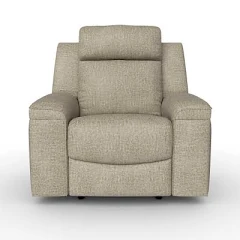
Ashley Evereast Pass Manual Recliner
Lower concern for PFAS, but typical furniture with no verification or disclosure.
This manual recliner is standard upholstered furniture with fabric and foam. Ashley Furniture doesn't publicly disclose PFAS use or absence; many recliners don't use PFAS treatments.
We flunk more products than we pass. This one earned its grade. How we grade
Material
fabric upholstery, foam cushioning, wooden frame
Brand disclosure
Brand is silent on PFAS
Lab data
No public lab test
You may also be interested in
Top-graded picks in the categories readers replace first, every one scored on the same rubric.

- polypropylene filter housing, carbon/sediment cartridge
- We found no PFAS statement from the brand
- Bacterial growth in spent cartridges
3 hazards checked on this product, all on its full breakdown.

Aquasure
Premier Series 75 GPD Under Sink Reverse Osmosis Water Filtration System
- RO membrane, carbon filters, stainless steel housing
- We found no PFAS statement from the brand
- Bacterial and microbial growth in housing and filters
4 hazards checked on this product, all on its full breakdown.

Avocado
Vegan Mattress
- organic cotton, natural latex, coconut coir, recycled steel coils
- The brand calls it PFAS-free, which we have not verified
- Heavy metals
2 hazards checked on this product, all on its full breakdown.
What Ashley Evereast Pass Manual Recliner is made of, ingredients and materials
The Ashley Evereast Pass uses polyester or polyester-blend upholstery fabric over polyurethane foam cushioning with a wooden frame. Polyester fabric itself is stable when undamaged, but the foam cushioning and any synthetic dyes in the fabric are the main chemical concern points. Polyurethane foam can off-gas volatile organic compounds (VOCs) during initial use and heating, though intensity decreases over weeks. Wooden frames may be treated with finishes or adhesives that contain formaldehyde or other VOCs, though Ashley's standard construction typically uses low-hazard glues.
What’s concerning
Category baseline
The starting point for this type of product, before anything specific to this product is counted.
No PFAS disclosure
No public statement from the brand about PFAS in this product.
Volatile Organic Compounds (VOCs) from polyurethane foam and adhesives
Polyurethane foam used in Ashley recliners typically off-gases formaldehyde and other VOCs during the first few weeks, especially if the piece is heated or placed in warm rooms. No public testing data available for this specific model.
Flame retardants
As a furniture item sold in North America, this recliner must meet flammability standards and almost certainly contains flame retardant chemicals in the foam or fabric backing, but Ashley does not disclose whether brominated, chlorinated, or phosphate-based types are used. Unknown flame retardant identity limits assessment.
Source, EPA ↗Formaldehyde / VOCs
Wooden frames typically use urea-formaldehyde or phenol-formaldehyde adhesives and stains. Ashley does not certify low-formaldehyde construction, so emissions cannot be ruled out, though levels are generally below regulated thresholds in practice.
Source, ATSDR ↗Lead
Polyurethane foam in budget and mid-range recliners deteriorates over 5-10 years of regular use, breaking down into small particles that can become airborne or accumulate in fabric. This is normal wear but represents a potential inhalation pathway for aged products.
Source, ATSDR ↗What’s reassuring
Base material not linked to PFAS
The main material recorded for this product is not one associated with PFAS.
Azo dyes and synthetic colorants in polyester upholstery
Polyester fabric is colored with synthetic dyes; certain azo dyes can degrade under heat or moisture and release aromatic amines. No recalls or documented incidents for Ashley upholstered furniture on this basis, but testing is not publicly available.
How is this PFAS grade calculated?
The brand's record and disclosure
Ashley Furniture does not publicly disclose chemical composition, flame retardant type, or testing certifications for most upholstered products, including this model. The brand has no documented major safety recalls specific to chemical leaching from recliners in recent years, but also maintains no published sustainability or hazard transparency reports. Ashley is a large manufacturer targeting the mid-market segment; safety compliance is generally met at minimum legal threshold without enhanced voluntary disclosure. No independent third-party certifications (such as Greenguard or Oeko-Tex) are listed for this product line.
How it compares in its category
This manual recliner occupies the mainstream mid-range category, where chemical transparency is the exception rather than the norm. Competitors at this price point (Rooms To Go, Big Lots house brands) show similarly opaque disclosure practices. Higher-end certified alternatives (Article, West Elm) offer optional Greenguard certification; budget alternatives often skip foam standards altogether. The manual mechanism avoids electronic component off-gassing, which is a minor advantage over power recliners.
If you buy it
Air out the recliner in a ventilated space for 24-48 hours after delivery to reduce initial VOC off-gassing from foam and adhesives. Avoid direct heat sources (radiators, sunlight) which can accelerate foam degradation and increase leaching. Vacuum and spot-clean the fabric regularly to prevent dirt accumulation that can trap moisture and promote mold in the foam. Inspect seams and fabric annually for tears that expose foam; once exposed, the foam is vulnerable to accelerated degradation and should be covered or the cushion replaced.
What is not known about PFAS in this product?
- Basis
- Model estimate, 62% confidence, not a lab result
- Lab test
- None on record for this exact product
- Brand statement
- Ashley Furniture has made none
Formulations change between production runs, so check the current label. How we grade.
More recliners grades
How we score, every product runs through the same public 0-100 rubric based on materials, coatings, brand disclosure, lab findings, and recalls. See the full methodology → Spotted a mistake? Report an error.