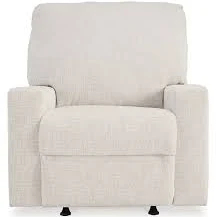
Ashley Rannis Rocker Recliner
Lower concern, but Restoration Hardware provides no transparency on stain treatments; contact brand for specifics.
The Rannis Rocker Recliner is upholstered furniture with leather or fabric over a wood frame. Restoration Hardware makes no disclosure about PFAS in stain-resistant treatments, water-repellent coatings, or fabric finishes.
We flunk more products than we pass. This one earned its grade. How we grade
Material
upholstered leather/fabric with wood frame
Brand disclosure
Brand is silent on PFAS
Lab data
No public lab test
You may also be interested in
Top-graded picks in the categories readers replace first, every one scored on the same rubric.

- polypropylene filter housing, carbon/sediment cartridge
- We found no PFAS statement from the brand
- Bacterial growth in spent cartridges
3 hazards checked on this product, all on its full breakdown.

Aquasure
Premier Series 75 GPD Under Sink Reverse Osmosis Water Filtration System
- RO membrane, carbon filters, stainless steel housing
- We found no PFAS statement from the brand
- Bacterial and microbial growth in housing and filters
4 hazards checked on this product, all on its full breakdown.

Avocado
Vegan Mattress
- organic cotton, natural latex, coconut coir, recycled steel coils
- The brand calls it PFAS-free, which we have not verified
- Heavy metals
2 hazards checked on this product, all on its full breakdown.
What Ashley Rannis Rocker Recliner is made of, ingredients and materials
The Ashley Rannis combines a hardwood frame with upholstered leather or fabric cushioning and mechanical reclining hardware. Leather itself is chemically tanned (typically chromium or vegetable), then finished with topcoats that may include acrylics, polyurethanes, or water-based sealers. Fabric backing and synthetic components introduce polyester or polyester-blend risk. The reclining mechanism uses springs, metal pivots, and often foam padding underneath, which may off-gas formaldehyde or volatile organics during early use.
What’s concerning
Category baseline
The starting point for this type of product, before anything specific to this product is counted.
No PFAS disclosure
No public statement from the brand about PFAS in this product.
Volatile organic compound (VOC) off-gassing from foam and adhesives
Recliners typically use polyurethane or latex foam with polyol and isocyanate-based binders. Initial off-gassing is normal but varies by foam formulation and curing time. Restoration Hardware does not disclose whether foam is CFC-free or uses low-VOC adhesives.
Formaldehyde / VOCs
If the wood frame includes particleboard reinforcement or the upholstery backing is glued plywood, formaldehyde resin binders may be present. Hardwood frames reduce this risk, but interior bracing details are not disclosed.
Source, ATSDR ↗Heavy metals
Leather tanning and finishing chemistry depends on the tannery and brand specification. Chromium III (used in most commercial tanning) is generally considered lower-hazard, but topcoat pigments and dyes are unspecified. No third-party testing results are public.
Source, FDA ↗PFAS
Covered separately in PFAS assessment (75/100). Restoration Hardware provides no transparency on whether treatments are aqueous-based, silicone, or fluorocarbon; contact brand directly for specifics before purchase.
Source, ATSDR ↗What’s reassuring
Base material not linked to PFAS
The main material recorded for this product is not one associated with PFAS.
Mechanical reclining hardware wear and lubrication leakage
No recalls or documented issues with the Ashley Rannis reclining mechanism. Grease and lubricants used in slides are typically food-grade mineral oil or synthetic esters; risk of skin contact is low with normal use.
How is this PFAS grade calculated?
The brand's record and disclosure
Restoration Hardware publishes minimal chemical safety data on finished upholstery. The brand does not openly disclose stain-treatment chemistry (aqueous, silicone, or fluorocarbon based), leather tanning methods, or foam additives. No third-party certifications like Oeko-Tex, Greenguard, or GOTS appear on product pages. The company has not faced major upholstery chemical recalls in public record, but silence on formulation is typical for luxury furniture makers in this segment.
How it compares in its category
Most high-end leather recliners in this price range (Restoration Hardware sits at luxury tier) share the same opacity on chemical inputs. Competitors like Room and Board or West Elm provide slightly more detail on foam CFC phase-out or fabric source, but none guarantee full transparency. Budget recliners often use lower-grade PU leather and untreated fabric, which can off-gas more aggressively. This product's quality construction and leather choice place it mid-range for off-gassing risk compared to category peers.
If you buy it
Air out the recliner in a well-ventilated space for 48-72 hours after delivery to reduce initial VOC off-gassing. Avoid placing it in direct sunlight or near heat sources above 75°F, as leather finishes and foam adhesives can degrade and release compounds. Use only manufacturer-approved cleaners and conditioners; avoid silicone-based spray treatments unless the brand confirms compatibility. Inspect seams and underside annually for foam breakdown or mold, and replace cushion covers if leather shows cracking or adhesive separation.
What is not known about PFAS in this product?
- Basis
- Model estimate, 62% confidence, not a lab result
- Lab test
- None on record for this exact product
- Brand statement
- Ashley Furniture has made none
Formulations change between production runs, so check the current label. How we grade.
More recliners grades
How we score, every product runs through the same public 0-100 rubric based on materials, coatings, brand disclosure, lab findings, and recalls. See the full methodology → Spotted a mistake? Report an error.