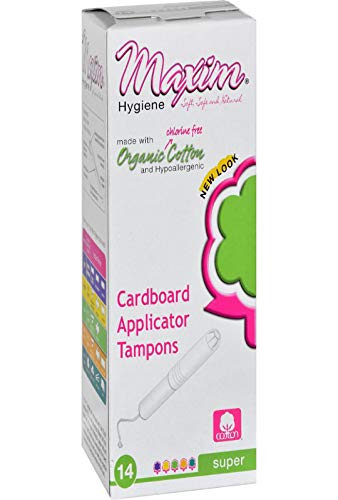
Maxim Hygiene Organic Cotton Cardboard Applicator Tampons
Lower concern; organic cotton and cardboard are not associated with PFAS materials.
Maxim Hygiene's organic cotton tampons with cardboard applicator use materials with minimal PFAS risk. Brand makes no PFAS claims and provides no third-party verification, but core materials are not typical PFAS vectors.
We flunk more products than we pass. This one earned its grade. How we grade
Material
organic cotton, cardboard applicator
Brand disclosure
Brand is silent on PFAS
Lab data
No public lab test
You may also be interested in
Top-graded picks in the categories readers replace first, every one scored on the same rubric.

- polypropylene filter housing, carbon/sediment cartridge
- We found no PFAS statement from the brand
- Bacterial growth in spent cartridges
3 hazards checked on this product, all on its full breakdown.

Aquasure
Premier Series 75 GPD Under Sink Reverse Osmosis Water Filtration System
- RO membrane, carbon filters, stainless steel housing
- We found no PFAS statement from the brand
- Bacterial and microbial growth in housing and filters
4 hazards checked on this product, all on its full breakdown.

Avocado
Vegan Mattress
- organic cotton, natural latex, coconut coir, recycled steel coils
- The brand calls it PFAS-free, which we have not verified
- Heavy metals
2 hazards checked on this product, all on its full breakdown.
What Maxim Hygiene Organic Cotton Tampons is made of, ingredients and materials
This product uses organic cotton for the absorbent core, which is grown without synthetic pesticides or fertilizers, and a cardboard applicator instead of plastic or plastic-coated variants. Organic cotton eliminates the pesticide residue concern present in conventional cotton tampons. Cardboard applicators do not leach plasticizers, BPA, or synthetic polymer breakdown products during use, and they biodegrade after disposal, reducing persistence in landfills compared to plastic applicators.
What’s concerning
Category baseline
The starting point for this type of product, before anything specific to this product is counted.
No PFAS disclosure
No public statement from the brand about PFAS in this product.
Cardboard applicator structural failure
Cardboard applicators are subject to moisture-induced softening or crumbling if exposed to humidity during storage or transport. Quality control and packaging integrity are not detailed publicly for this brand. If applicator fragments remain inside the body, removal may be required.
What’s reassuring
Base material not linked to PFAS
The main material recorded for this product is not one associated with PFAS.
Pesticide residue
Organic certification typically prohibits synthetic pesticides, but Maxim Hygiene does not publicly specify third-party certification body (e.g., GOTS, USDA Organic) on available materials. Residue risk is substantially lower than conventional cotton if organic claims are accurate.
Source, EPA ↗Bleaching byproducts (dioxins, furans)
Modern tampon manufacturing in regulated markets uses elemental chlorine-free or totally chlorine-free bleaching. No public reports of dioxin contamination in Maxim Hygiene or similar organic cotton tampons exist. Risk is not established as higher than market average.
Microorganisms and toxic shock syndrome (TSS) risk
TSS risk is associated with prolonged tampon use and bacterial overgrowth, not material type. Organic cotton does not reduce or increase TSS risk relative to conventional cotton if absorbency and use patterns are equivalent. Standard hygiene practices (timely removal, appropriate absorbency selection) mitigate this risk regardless of brand.
Synthetic dyes and colorants
Organic cotton tampons typically avoid synthetic azo dyes, but Maxim Hygiene does not disclose dye or colorant use in product documentation. If any colored printing or component exists, heavy metal content (e.g., cadmium, lead in pigments) is not documented as a known issue in this product category.
How is this PFAS grade calculated?
The brand's record and disclosure
Maxim Hygiene maintains a public stance emphasizing organic and natural materials but does not publish detailed third-party certifications, material safety test results, or supply-chain transparency on their website. No significant product recalls, contamination events, or safety controversies involving this brand appear in public health records. The brand's PFAS stance is undisclosed, though the material composition itself (organic cotton, cardboard) does not require PFAS treatment.
How it compares in its category
Organic cotton cardboard-applicator tampons represent a lower-chemical option relative to conventional tampons, which may contain pesticide residues, synthetic dyes, or bleaching byproducts. They avoid plastic applicators, which introduce microplastic and polymer leaching risks. Relative to chlorine-bleached conventional cotton, organic variants reduce dioxin precursor exposure, though both modern tampons in most markets are not known to pose acute health risks at typical use levels.
If you buy it
Store in a cool, dry place away from moisture to prevent cardboard degradation before use. Cardboard applicators are designed for single use only; do not reuse. Dispose of applicators in trash or composting systems if available; they are not suitable for flushing despite their apparent biodegradability. If any signs of discoloration, odor, or packaging damage are observed, discontinue use.
What is not known about PFAS in this product?
- Basis
- Model estimate, 78% confidence, not a lab result
- Lab test
- None on record for this exact product
- Brand statement
- Maxim Hygiene has made none
Formulations change between production runs, so check the current label. How we grade.
What are the PFAS-free alternatives to Maxim Hygiene Organic Cotton Cardboard Applicator Tampons?
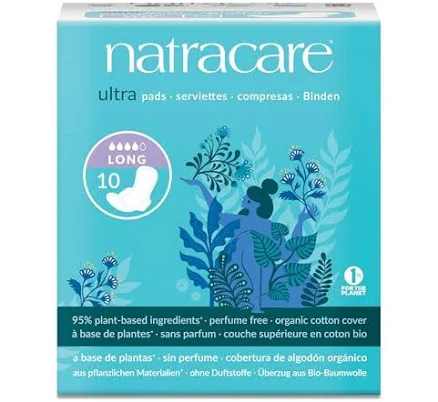
- A third party reports verifying it as PFAS-free
- Fragrance allergens (if scented variant)
2 hazards checked on this product, all on its full breakdown.
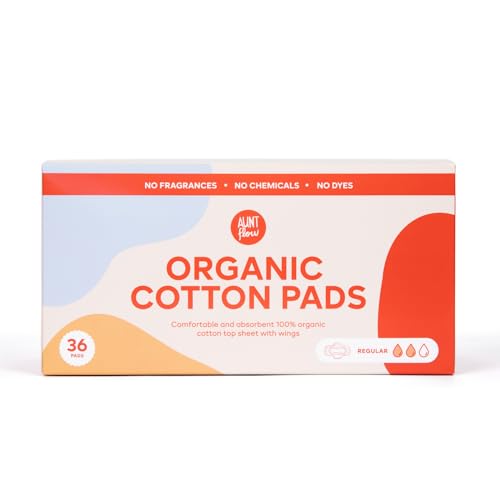
- organic cotton with natural fibers
- The brand calls it PFAS-free, which we have not verified
- Microplastics
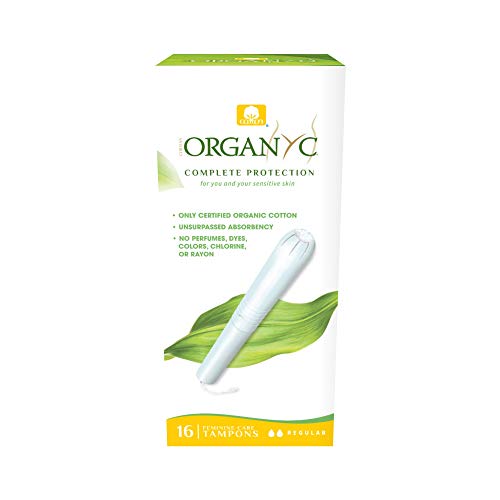
Organyc
100% Certified Organic Cotton Tampons Cardboard Applicator
- 100% organic cotton with cardboard applicator
- We found no PFAS statement from the brand
- Cardboard applicator structural integrity over time
More period care grades
 100Seventh Generation Maxi Pads - Overnight
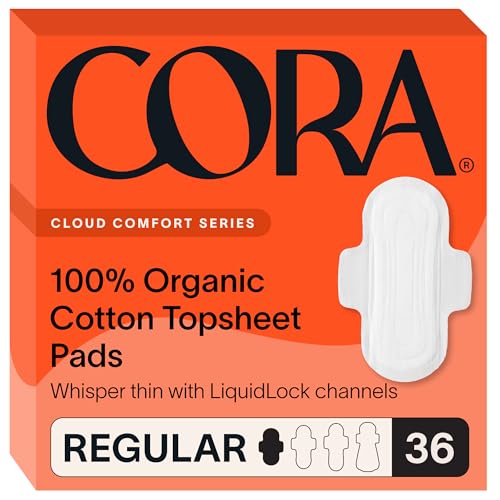 70Cora Organic Cotton Pads
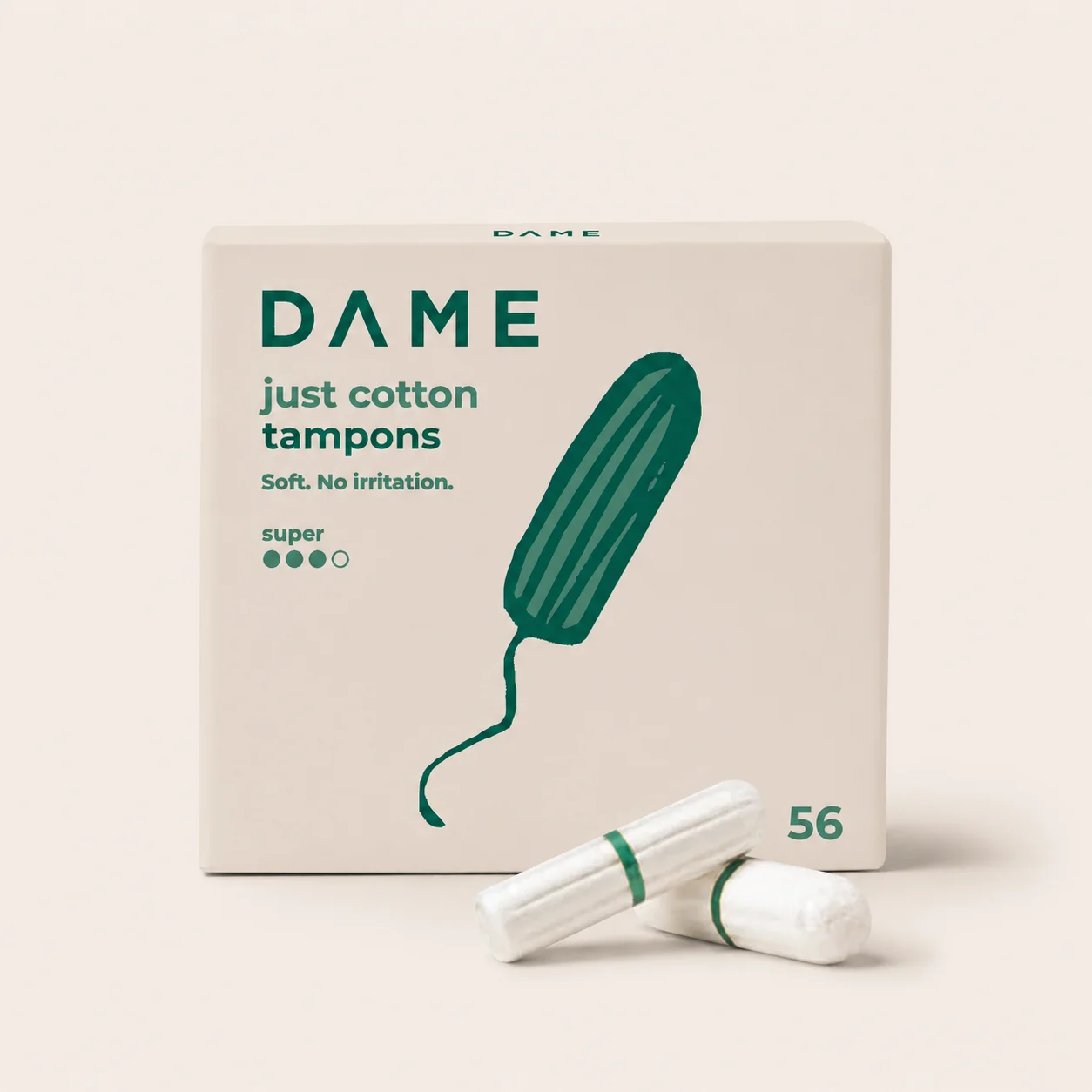 70Dame Organic Cotton Tampons
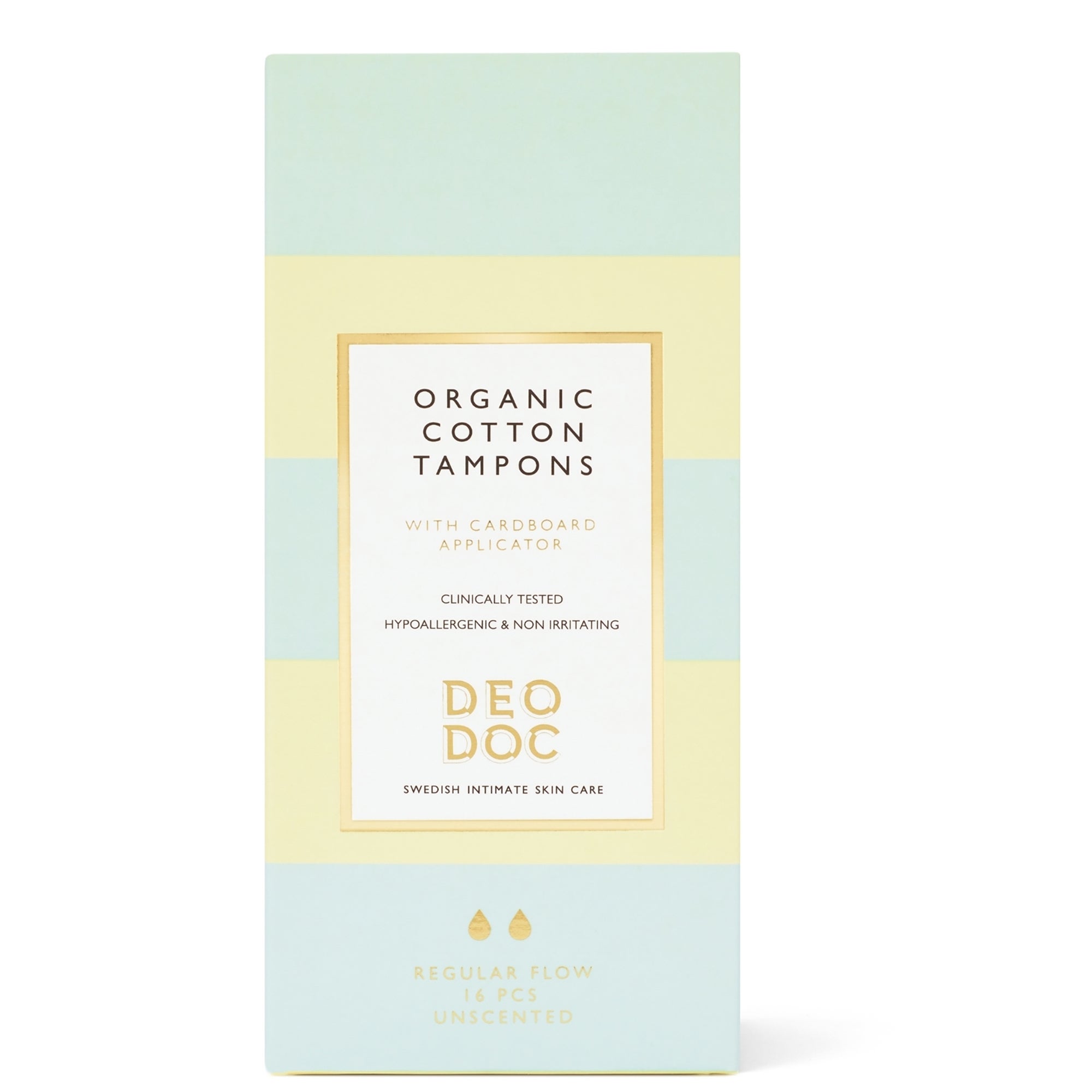 70DeoDoc Cotton Tampons
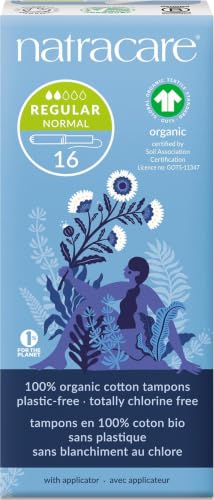 70Natracare Organic Cotton Tampons
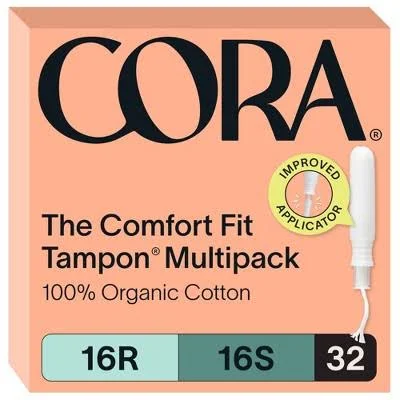 70Cora Organic Tampons
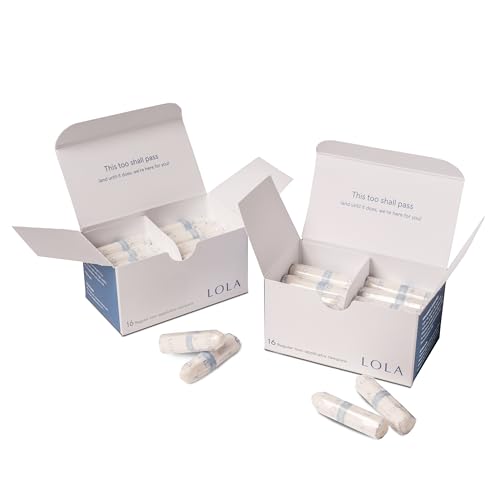 70Lola 100% Organic Cotton Tampons Applicator Free
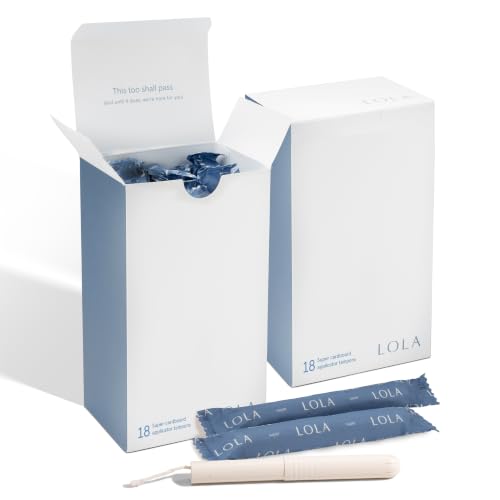 70Lola 100% Organic Cotton Tampons Cardboard Applicator
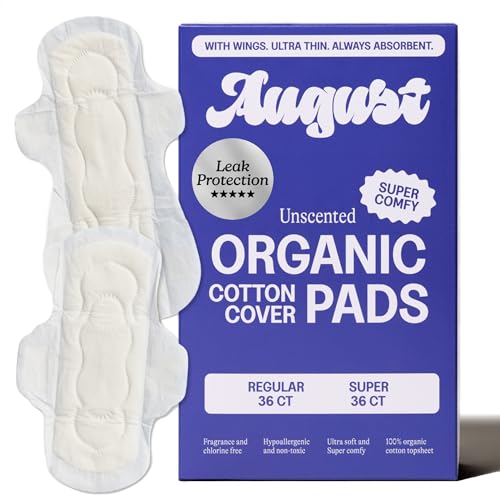 70August Organic Cotton Top Layer Pads, 36-Pack Regular
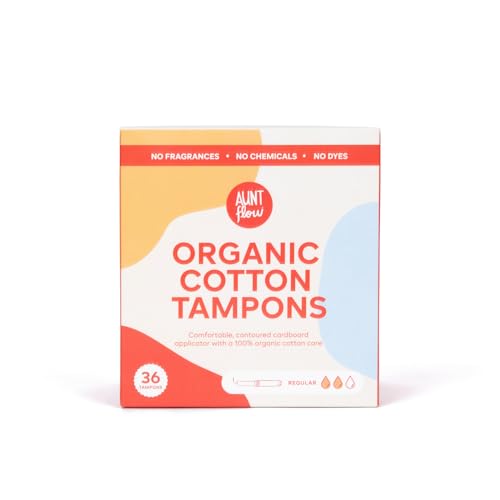 70Aunt Flow Organic Cotton Cardboard Applicator TamponsCompare vs Natracare →All period care →
How we score, every product runs through the same public 0-100 rubric based on materials, coatings, brand disclosure, lab findings, and recalls. See the full methodology → Spotted a mistake? Report an error.