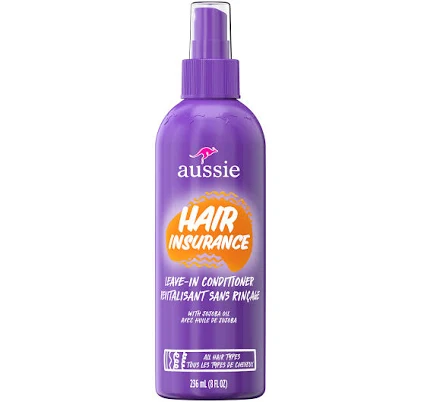
Aussie Hair Insurance Leave-In Conditioner
Lower concern choice. Typical leave-in conditioner formulation unlikely to contain PFAS, but no brand commitment.
This rinse-out conditioner has no established PFAS application or industry-wide association with fluorinated chemistry. Standard conditioning ingredients do not typically require PFAS.
We flunk more products than we pass. This one earned its grade. How we grade
Material
water-based conditioning emulsion (typical, glycerin, conditioning polymers, water)
Brand disclosure
Brand is silent on PFAS
Lab data
No public lab test
You may also be interested in
Top-graded picks in the categories readers replace first, every one scored on the same rubric.

- polypropylene filter housing, carbon/sediment cartridge
- We found no PFAS statement from the brand
- Bacterial growth in spent cartridges
3 hazards checked on this product, all on its full breakdown.

Aquasure
Premier Series 75 GPD Under Sink Reverse Osmosis Water Filtration System
- RO membrane, carbon filters, stainless steel housing
- We found no PFAS statement from the brand
- Bacterial and microbial growth in housing and filters
4 hazards checked on this product, all on its full breakdown.

Avocado
Vegan Mattress
- organic cotton, natural latex, coconut coir, recycled steel coils
- The brand calls it PFAS-free, which we have not verified
- Heavy metals
2 hazards checked on this product, all on its full breakdown.
What Aussie Hair Insurance Leave-In Conditioner is made of, ingredients and materials
Aussie Hair Insurance is a water-based leave-in conditioner, typically formulated with glycerin, conditioning polymers (silicones or polyquaterniums), and humectants. These ingredients are standard across the category and designed to coat and soften hair without rinse-off. Water-based emulsions of this type do not require heat curing and are not applied to skin in high concentrations, reducing exposure pathways for volatile compounds.
What’s concerning
Category baseline
The starting point for this type of product, before anything specific to this product is counted.
No PFAS disclosure
No public statement from the brand about PFAS in this product.
Fragrance allergens and sensitizers
Leave-in conditioners typically contain fragrance blends not fully disclosed on label. Individuals with contact dermatitis or fragrance sensitivity may experience scalp irritation; patch test if prone to reactions.
Parabens
Water-based emulsions require antimicrobial preservatives; Aussie's specific preservative system is not publicly detailed. Risk is low at recommended use levels but increases if product is applied heavily or left on scalp for extended periods.
Source, FDA ↗Bacterial or fungal growth if stored improperly or cap left open
Contamination risk exists with any water-based cosmetic stored in humid bathrooms or with repeated exposure to air. Regular cap closure and shelf-life adherence (typically 12-24 months) minimize this hazard.
What’s reassuring
Base material not linked to PFAS
The main material recorded for this product is not one associated with PFAS.
Silicone buildup on hair with repeated use
Not a health hazard but a cosmetic concern; some formulas use volatile or non-volatile silicones that can accumulate over months, dulling shine. Not specific to this product; typical of the category.
Heavy metals
This product is colorless or pale yellow; no iron oxides or synthetic dyes reported. Risk of cadmium or lead contamination is absent by formulation class.
Source, FDA ↗How is this PFAS grade calculated?
The brand's record and disclosure
Aussie (owned by Procter & Gamble) does not publicly commit to PFAS-free formulation or publish ingredient testing summaries beyond basic labeling. The brand has no widely documented safety recalls or controversy specific to this product line. P&G complies with FDA and EU cosmetic regulations but does not differentiate Aussie as a clean-beauty or transparency-focused line.
How it compares in its category
Leave-in conditioners are among the lowest-risk hair-care category because they involve brief, localized contact and no heat application by the consumer. Aussie's formula is mainstream and competitively priced; it contains no reported heavy metals, flame retardants, or unusual additives. It sits in the middle of the market on disclosure, offering no advantage over but no clear disadvantage versus comparable drugstore brands.
If you buy it
Apply only to damp hair lengths and ends; avoid prolonged scalp contact to minimize any absorption of preservatives. Replace the bottle if you notice separation, odor change, or mold growth in the nozzle, which signals bacterial contamination. Store in a cool, dry place away from direct sunlight. Use according to label direction; over-application adds no benefit and increases preservative load.
What is not known about PFAS in this product?
- Basis
- Model estimate, 72% confidence, not a lab result
- Lab test
- None on record for this exact product
- Brand statement
- Aussie has made none
Formulations change between production runs, so check the current label. How we grade.
What are the PFAS-free alternatives to Aussie Hair Insurance Leave-In Conditioner?
- Water, conditioning agents, organic plant extracts
- We found no PFAS statement from the brand
- Heavy metals
3 hazards checked on this product, all on its full breakdown.
- water-based conditioner, typical surfactants and botanical extracts
- We found no PFAS statement from the brand
- Heavy metals
3 hazards checked on this product, all on its full breakdown.
More conditioner grades
How we score, every product runs through the same public 0-100 rubric based on materials, coatings, brand disclosure, lab findings, and recalls. See the full methodology → Spotted a mistake? Report an error.