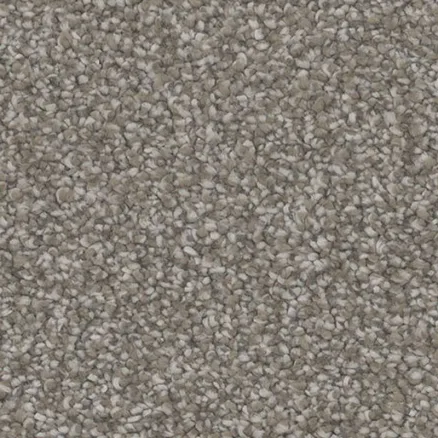
Tarkett Home Intrigue Tempt by Factory Direct Floor Store
Skip until Tarkett discloses PFAS use in VCT products.
Tarkett VCT flooring is a rigid vinyl composite product with no public PFAS disclosure. Vinyl products often contain PFAS in adhesives or coatings; Tarkett provides no transparency, making risk assessment difficult.
We flunk more products than we pass. This one earned its grade. How we grade
Material
vinyl composite tile flooring
Brand disclosure
Brand is silent on PFAS
Lab data
No public lab test
What Tarkett Home Intrigue Tempt by Factory is made of, ingredients and materials
Tarkett Home Intrigue Tempt is a vinyl composite tile (VCT), a blend of polyvinyl chloride (PVC) resin, limestone filler, and plasticizers bonded into a rigid sheet. VCT does not off-gas formaldehyde like laminate or particleboard, and modern formulations typically have lower VOC emissions than older resilient flooring. However, PVC manufacturing and degradation can involve chlorine compounds and plasticizers (phthalates, non-phthalate alternatives), and the wear layer's durability affects long-term leaching risk.
What’s concerning
Category baseline
The starting point for this type of product, before anything specific to this product is counted.
No PFAS disclosure
No public statement from the brand about PFAS in this product.
Phthalate plasticizers
PVC-based VCT typically requires plasticizers for flexibility; industry-standard phthalates (DEHP, DBP) are restricted in some jurisdictions but not universally banned in flooring. Tarkett has not specified whether Intrigue uses phthalates or non-phthalate alternatives like DOTP or citrates.
Flame retardants
Resilient flooring often contains brominated or phosphorus-based flame retardants to meet building codes. No specific flame retardant formula is disclosed for this product; independent testing would be required to confirm presence and type.
Source, EPA ↗VOC off-gassing (residual)
VCT products can emit low to moderate levels of volatile organic compounds (including vinyl chloride, toluene) immediately after installation and during the first weeks. This is typically brief and subsides with ventilation but may be problematic in poorly ventilated spaces.
Wear layer degradation and surface leaching
As the PVC wear layer ages and develops micro-scratches, underlying plasticizers and stabilizers may leach into dust or contact surfaces. Risk increases if the floor is heavily abraded, exposed to solvents, or used in high-moisture environments.
Microplastics
Vinyl flooring generates small PVC particles over time through foot traffic and cleaning. These particles may contribute to indoor dust; risk is higher in high-traffic areas without regular damp-mopping.
Source, EPA ↗What’s reassuring
Base material not linked to PFAS
The main material recorded for this product is not one associated with PFAS.
The full breakdown
The brand's record and disclosure
Tarkett is a global flooring manufacturer with ISO 14001 environmental certification and published health product declarations for some lines, but has not publicly disclosed whether PFAS (PFAS "forever chemicals") are used in Intrigue or other VCT products to improve stain resistance or water repellency. The brand's silence on this known chemical class used in flooring is a red flag for transparency. No major recalls or formaldehyde violations are on record for this product line.
How it compares in its category
VCT occupies a middle ground, more durable and lower-emission than budget vinyl sheet flooring, but typically contains more additives than ceramic tile, stone, or certified low-VOC luxury vinyl planks. Tarkett's Intrigue line is mainstream retail; competitors offering third-party certifications (FloorScore, GreenGuard) provide clearer chemical profiles. For vinyl-based flooring, VCT generally performs better than older homogeneous vinyl on VOC and flame retardant concerns, but PFAS presence is harder to verify across the category.
If you buy it
Ensure proper ventilation during and for 48-72 hours after installation to disperse any residual volatile compounds. VCT is water-resistant but not waterproof; seal seams and avoid standing water to prevent substrate swelling and chemical migration. Clean with pH-neutral products (not acidic or harsh solvents) to preserve the wear layer and minimize PVC degradation. If you notice yellowing, odors, or surface breakdown after 5-7 years, replacement signals age-related polymer breakdown.
What we don’t know
- Basis
- Model estimate, 65% confidence, not a lab result
- Lab test
- None on record for this exact product
- Brand statement
- Tarkett has made none
Formulations change between production runs, so check the current label. How we grade.
More carpets & rugs grades
How we score, every product runs through the same public 0-100 rubric based on materials, coatings, brand disclosure, lab findings, and recalls. See the full methodology → Spotted a mistake? Report an error.