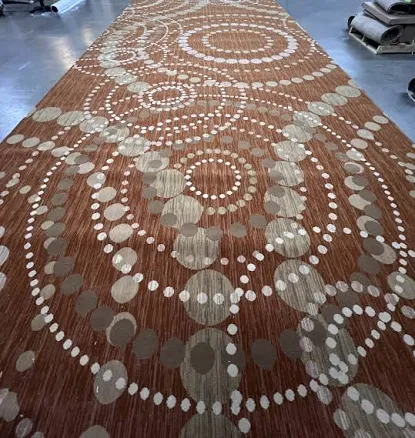
Hotel Carpet 8013 405 CR Commercial Axminster 12′ Wide
Commercial carpet likely treated; PFAS content undisclosed by brand.
Axminster commercial carpet typically uses stain and soil-resist treatments common in hospitality textiles, often PFAS-based. No public disclosure of treatment chemistry or PFAS status from brand.
The better-graded swap
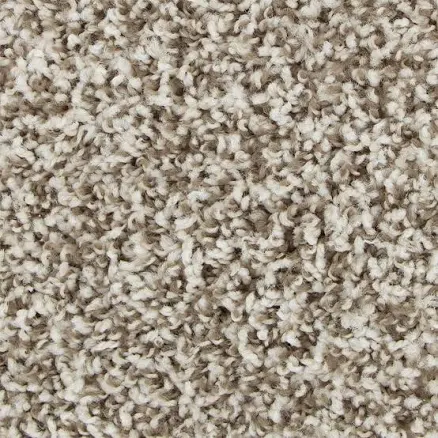
Style Selections
Style Selections Timeless Brown Polyester Textured Indoor Carpet
75/100 safety
Same rubric that flunked this product. The swap earned Excellent.
Still want this one anyway? Check the price on Amazon. We’d swap it.
Material
Wool-blend Axminster with stain/soil treatment
Brand disclosure
Brand is silent on PFAS
Lab data
No public lab test
What Hotel Carpet 8013 405 CR Commercial is made of, ingredients and materials
Hotel Carpet 8013 405 CR is a wool-blend Axminster, meaning it combines natural wool fibers with synthetics (likely polypropylene or nylon) in a traditional jacquard weave designed for high-traffic commercial spaces. The stain and soil treatment applied to this carpet is not specified by the manufacturer, which is the primary concern, these finishes typically contain either PFAS-based repellents or alternative chemistries that are not publicly disclosed. Wool itself is generally low-risk, but the synthetic backing, adhesives, and treatments determine the actual safety profile.
What’s concerning
Waterproof / stain-resistant treatment
Water-repellent coating treatments have historically used PFAS.
Category baseline
The starting point for this type of product, before anything specific to this product is counted.
No PFAS disclosure
No public statement from the brand about PFAS in this product.
Stain/soil treatment chemistry (unspecified)
Commercial carpets routinely receive durable water and oil repellents; Axminster does not disclose whether 8013 405 CR uses PFAS, silicones, or alternative chemistry. This is the highest risk factor for this product.
Volatile organic compounds (VOC) from backing and adhesives
Synthetic backing and installation adhesives can off-gas formaldehyde, toluene, and other compounds for weeks after installation. Wool-blend construction slightly reduces primary fiber VOC, but backing and treatment remain concerns if not specified as low-VOC.
Synthetic fiber shedding and microfiber release
The synthetic component of the blend (likely polypropylene or nylon) can shed microfibers, particularly under heavy foot traffic typical in hotel environments. These particles are inhaled and enter dust; no health standard exists for carpet microfibers, but concern is documented.
Formaldehyde / VOCs
Wool-blend carpet dyes and yarn sizing agents may contain formaldehyde-releasing resins. Axminster does not specify dyeing methods or sizing chemistry, so residual formaldehyde exposure during first weeks cannot be ruled out.
Source, ATSDR ↗What’s reassuring
Flame retardants
No public record of halogenated flame retardants in Axminster commercial products, but the backing formulation is not disclosed. Commercial-grade carpets sometimes contain chemical flame retardants; manufacturer transparency is absent here.
Source, EPA ↗The full breakdown
The brand's record and disclosure
Axminster is a heritage UK carpet manufacturer with long commercial history, but maintains silence on chemical composition of finishes and backing adhesives across this product line. No public certifications (such as FloorScore, GreenGuard, or Cradle to Cradle) are documented for the 8013 405 CR. The brand has not published a PFAS stance or commitment to transparency, which is a red flag for commercial carpet products that routinely receive stain-treatment chemistry.
How it compares in its category
Commercial Axminster carpets occupy the mid-to-premium segment and typically contain more aggressive chemical treatments than residential options to meet hospitality durability standards. Many competitors in this class (Interface, Belgotex, Tarkett) now publish ingredient disclosures or pursue third-party certifications; Axminster's silence is notably outdated. Wool-blend Axminsters are generally lower-VOC than 100% synthetic alternatives, but the undisclosed treatment chemistry undermines this advantage.
If you buy it
Request a full Safety Data Sheet (SDS) for the stain treatment and backing adhesive before purchase; commercial suppliers are obligated to provide this. Use low-VOC adhesives if installation requires glue-down (avoid solvent-based products). Ensure adequate ventilation during and for 48-72 hours after installation. Professional cleaning every 12-18 months in high-traffic zones will help manage off-gassing and soil accumulation; avoid products containing additional PFAS surfactants.
What we don’t know
- Basis
- Model estimate, 45% confidence, not a lab result
- Lab test
- None on record for this exact product
- Brand statement
- Axminster has made none
Formulations change between production runs, so check the current label. How we grade.
Better-graded alternatives in Carpets & Rugs
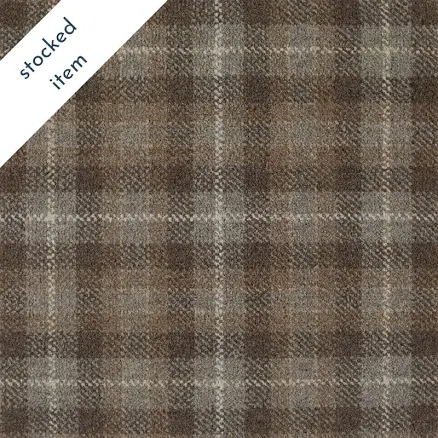
Axminster
Ben Vorlich Tartan Axminster Carpet | Wool Plaid
- wool plaid, Axminster weave
- We found no PFAS statement from the brand
- Formaldehyde / VOCs
4 hazards checked on this product. See all of them.
Style Selections
Timeless Brown Polyester Textured Indoor Carpet
- polyester fiber, untreated
- We found no PFAS statement from the brand
- Formaldehyde / VOCs
4 hazards checked on this product. See all of them.
Daltile
Flooring
- Ceramic tile, porcelain, or stone composite
- We found no PFAS statement from the brand
- Volatile Organic Compounds (VOCs) from installation adhesives and grout
4 hazards checked on this product. See all of them.
More carpets & rugs grades
How we score, every product runs through the same public 0-100 rubric based on materials, coatings, brand disclosure, lab findings, and recalls. See the full methodology → Spotted a mistake? Report an error.