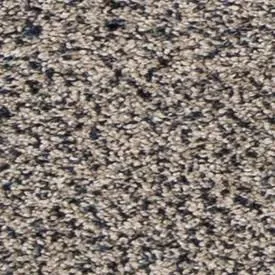
Mohawk Pet Premier Canine Comfort 3N78 Residential Carpet
Pet carpet with unspecified stain treatment. PFAS risk unclear.
This residential pet carpet carries a stain-resistant treatment, common for pet products, but Mohawk doesn't disclose the chemistry. Modern formulations may use non-PFAS alternatives, but without transparency or testing, actual PFAS content is unknown.
The better-graded swap
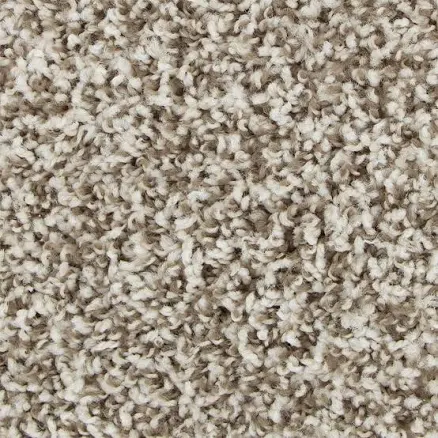
Style Selections
Style Selections Timeless Brown Polyester Textured Indoor Carpet
75/100 safety
Same rubric that flunked this product. The swap earned Excellent.
Still want this one anyway? Check the price on Amazon. We’d swap it.
Material
Nylon/synthetic fiber blend with stain/soil treatment
Brand disclosure
Brand is silent on PFAS
Lab data
No public lab test
You may also be interested in
Top-graded picks in the categories readers replace first, every one scored on the same rubric.

- polypropylene filter housing, carbon/sediment cartridge
- We found no PFAS statement from the brand
- Bacterial growth in spent cartridges
3 hazards checked on this product, all on its full breakdown.

Aquasure
Premier Series 75 GPD Under Sink Reverse Osmosis Water Filtration System
- RO membrane, carbon filters, stainless steel housing
- We found no PFAS statement from the brand
- Bacterial and microbial growth in housing and filters
4 hazards checked on this product, all on its full breakdown.

Avocado
Vegan Mattress
- organic cotton, natural latex, coconut coir, recycled steel coils
- The brand calls it PFAS-free, which we have not verified
- Heavy metals
2 hazards checked on this product, all on its full breakdown.
What Mohawk Pet Premier Canine Comfort Carpet is made of, ingredients and materials
This Mohawk Pet Premier is nylon fiber (synthetic polyamide) with an applied stain and soil treatment, typical of pet-targeted residential carpets. Nylon itself is chemically stable under normal indoor conditions, but the stain treatment formulation is not publicly specified by Mohawk. The 'Frosty Spice' colorway uses synthetic dyes; nylon carpet dyes are generally not considered a direct inhalation or skin contact risk once cured, but treatment chemistry remains the primary concern here.
What’s concerning
Category baseline
The starting point for this type of product, before anything specific to this product is counted.
No PFAS disclosure
No public statement from the brand about PFAS in this product.
Waterproof / stain-resistant treatment
Water-repellent coating treatments have historically used PFAS.
Stain treatment chemical identity (unspecified)
Mohawk does not publicly disclose the stain/soil treatment formulation for this line. PFAS-based treatments (fluorinated) are common in pet carpets but unconfirmed here; alternatives like silicone treatments carry fewer health flags but are not detailed by the brand.
Volatile organic compound (VOC) off-gassing
Nylon carpet and backing adhesives typically release low-level VOCs (mainly odor and irritation risk) for 48-72 hours post-installation. Formaldehyde is not typically a primary VOC in nylon carpet itself, but adhesives may contain low concentrations; ventilation mitigates this.
Microfiber shedding and dust accumulation
All nylon carpets shed fibers, especially in high-traffic or pet areas. Pet carpets are designed for durability but still generate fine particulates over time; regular vacuuming and air filtration reduce inhalation exposure.
What’s reassuring
Flame retardants
No public record indicates this product uses halogenated or antimony-based flame retardants. Modern nylon carpets often meet fire codes through fiber chemistry alone, but Mohawk does not explicitly state whether flame treatments are applied to this line.
Source, EPA ↗Synthetic dye allergens and colorants
Azo dyes in synthetic carpet are assessed as low-risk in finished carpet (not in raw dye or during manufacturing). The 'Frosty Spice' colorway uses standard acid or disperse dyes typical of nylon; no specific allergen flags are documented for this product.
How is this PFAS grade calculated?
The brand's record and disclosure
Mohawk Industries is a major US carpet manufacturer with no public commitments to PFAS-free stain treatments and does not disclose treatment chemistry for most Pet Premier lines. The brand has not faced major recalls for this specific product line, but maintains industry-standard opacity on carpet finishing agents. Mohawk holds some sustainability certifications (e.g., Cradle to Cradle for some products) but Pet Premier line certifications are not widely documented.
How it compares in its category
Pet carpets from major brands (Mohawk, Shaw, Beaulieu) commonly use fluorinated or silicone-based stain treatments; this product is middle-of-the-road in disclosure. Alternatives marketed as PFAS-free or with full ingredient transparency (e.g., some wool blends, certified natural fiber options) exist but cost significantly more. This nylon-with-treatment approach is standard for price-point pet carpeting; the trade-off is convenience and durability versus chemical transparency.
If you buy it
Ventilate well during and 48-72 hours after installation to allow off-gassing of any volatile compounds from adhesives and treatments. Vacuum regularly (2-3 times weekly for pet households) to minimize dust resuspension and mold risk. Avoid steam cleaning at very high temperatures (above 180F) as it may accelerate any thermal breakdown of coatings. Replace within 5-7 years or when backing shows wear, as degraded carpet can shed microfibers and may harbor allergens.
What is not known about PFAS in this product?
- Basis
- Model estimate, 45% confidence, not a lab result
- Lab test
- None on record for this exact product
- Brand statement
- Mohawk has made none
Formulations change between production runs, so check the current label. How we grade.
What are the PFAS-free alternatives to Mohawk Pet Premier Canine Comfort 3N78 Residential Carpet?
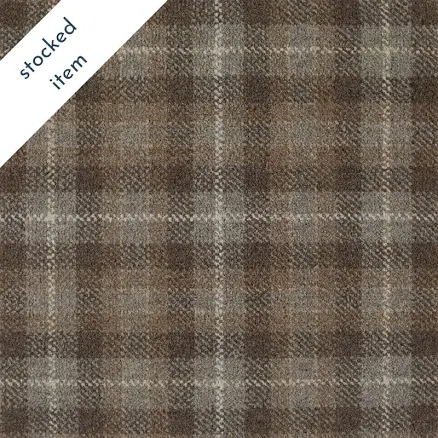
- wool plaid, Axminster weave
- We found no PFAS statement from the brand
- Formaldehyde / VOCs
4 hazards checked on this product, all on its full breakdown.
- polyester fiber, untreated
- We found no PFAS statement from the brand
- Formaldehyde / VOCs
4 hazards checked on this product, all on its full breakdown.
- Ceramic tile, porcelain, or stone composite
- We found no PFAS statement from the brand
- Volatile Organic Compounds (VOCs) from installation adhesives and grout
4 hazards checked on this product, all on its full breakdown.
More carpets & rugs grades
How we score, every product runs through the same public 0-100 rubric based on materials, coatings, brand disclosure, lab findings, and recalls. See the full methodology → Spotted a mistake? Report an error.