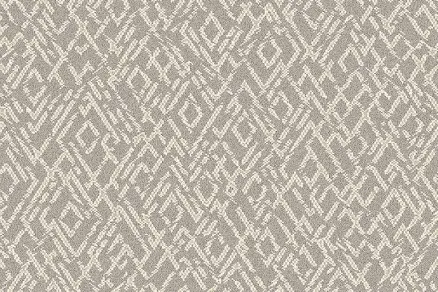
Natural Choice Axminster by Ulster Carpets - Free Sample/Quote
Skip until brand discloses carpet treatment chemistry.
Axminster carpets typically feature stain and water resistance treatments, but the brand provides no PFAS disclosure. Without public certification or transparency, chemical composition remains unclear.
The better-graded swap
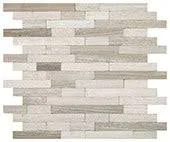
Daltile
Daltile Flooring
75/100 safety
Same rubric that flunked this product. The swap earned Excellent.
Still want this one anyway? Check the price on Amazon. We’d swap it.
Material
Polypropylene or wool blend with stain/soil treatment
Brand disclosure
Brand is silent on PFAS
Lab data
No public lab test
What Natural Choice Axminster by Ulster is made of, ingredients and materials
Natural Choice Axminster uses polypropylene or wool blends treated with stain and soil protection. These treatments typically contain fluorinated compounds (PFAS) that bond to fibers to repel water and dirt. Wool blends may also include synthetic backing and adhesives. The fluorinated finishes are the primary concern, as they persist in the home and environment and are linked to bioaccumulation in human tissue.
What’s concerning
Waterproof / stain-resistant treatment
Water-repellent coating treatments have historically used PFAS.
Category baseline
The starting point for this type of product, before anything specific to this product is counted.
No PFAS disclosure
No public statement from the brand about PFAS in this product.
PFAS
Axminster does not disclose treatment chemistry; standard industry practice for 'stain protection' implies C6 or C8 fluorochemicals. These are persistent, bioaccumulative, and associated with immune and thyroid effects in epidemiological studies.
Source, ATSDR ↗Volatile organic compounds (VOCs) off-gassing
Wool-blend and polypropylene carpets with synthetic backing and adhesives release VOCs (toluene, styrene, formaldehyde) during initial weeks post-installation. Intensity varies by dye batch and adhesive formulation; no specific emissions data published for this product line.
Formaldehyde / VOCs
Wool-blend carpets may contain formaldehyde-releasing resins in dyes or mordants. No certification or test results available; typical for mass-market carpet but not quantified for this specific product.
Source, ATSDR ↗What’s reassuring
Flame retardants
Ulster Carpets does not publicly disclose flame retardant chemistry in backing or adhesive layers. UK fire safety standards do not require brominated or phosphorus flame retardants in residential carpet, but their presence or absence is undisclosed.
Source, EPA ↗Heavy metals
No published analysis of lead, cadmium, or chromium in Axminster dyes. Risk is low for polypropylene or wool blends meeting UK textile standards, but brand does not certify heavy-metal-free dye processes.
Source, FDA ↗The full breakdown
The brand's record and disclosure
Ulster Carpets and the Axminster brand do not publicly disclose the specific chemistry of their stain/soil treatments or confirm PFAS-free alternatives. No independent third-party certifications (e.g., Cradle to Cradle, OEKO-TEX for fluorochemical limits) are evident on this product line. The brand's silence on treatment chemistry is a significant red flag for consumers seeking carpet options with lower concern about chemical treatments. This lack of transparency prevents informed decision-making about PFAS exposure.
How it compares in its category
Most conventional carpets are treated with PFAS-based water and stain repellents; Axminster is typical in this regard, not exceptional. Wool-blend carpets may off-gas volatile organic compounds (VOCs) during initial installation. Polypropylene synthetic blends have lower VOC risk but do not degrade PFAS treatments. Certified low-PFAS or PFAS-free carpets from brands like Interface or GreenShift exist, though at premium cost and limited availability in consumer samples.
If you buy it
Ensure adequate ventilation for 48-72 hours post-installation to minimize VOC inhalation. Vacuum regularly with HEPA filtration to reduce dust (which may carry PFAS particles shed from fibers). Avoid steam cleaning or excessive water exposure, which can mobilize fluorochemicals into indoor air and groundwater if waste is not properly contained. Replace within 10-15 years or sooner if stain treatment visibly degrades, as worn coatings may shed microparticles.
What we don’t know
- Basis
- Model estimate, 35% confidence, not a lab result
- Lab test
- None on record for this exact product
- Brand statement
- Axminster has made none
Formulations change between production runs, so check the current label. How we grade.
Better-graded alternatives in Carpets & Rugs
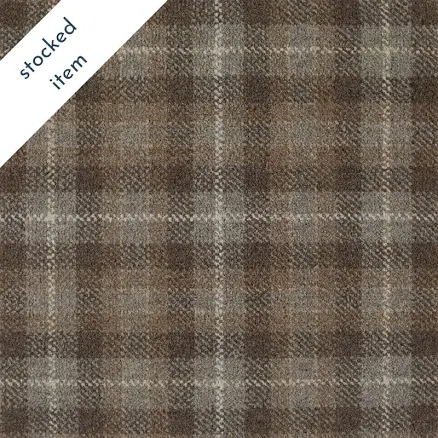
Axminster
Ben Vorlich Tartan Axminster Carpet | Wool Plaid
- wool plaid, Axminster weave
- We found no PFAS statement from the brand
- Formaldehyde / VOCs
4 hazards checked on this product. See all of them.
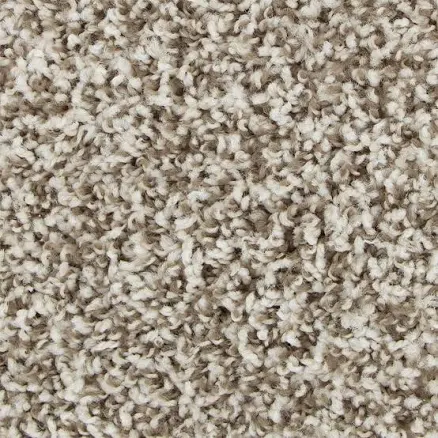
Style Selections
Timeless Brown Polyester Textured Indoor Carpet
- polyester fiber, untreated
- We found no PFAS statement from the brand
- Formaldehyde / VOCs
4 hazards checked on this product. See all of them.
Daltile
Flooring
- Ceramic tile, porcelain, or stone composite
- We found no PFAS statement from the brand
- Volatile Organic Compounds (VOCs) from installation adhesives and grout
4 hazards checked on this product. See all of them.
More carpets & rugs grades
How we score, every product runs through the same public 0-100 rubric based on materials, coatings, brand disclosure, lab findings, and recalls. See the full methodology → Spotted a mistake? Report an error.