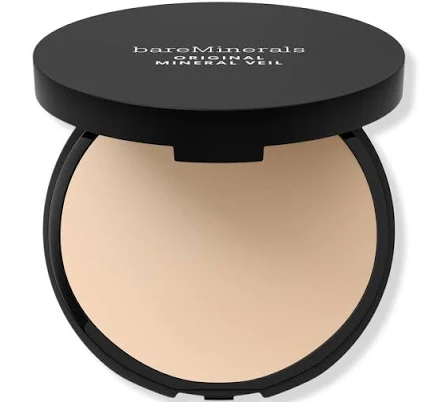
Bare Minerals · Pressed Powder
bareMinerals Original Mineral Veil Pressed Setting Powder
Brand PFAS statement on record, which we have not verified.
bareMinerals says it no longer produces any products containing intentional PFAS ingredients, including Teflon-type coating. We record that as an unverified brand claim.
Brand says: “bareMinerals says it no longer produces any products containing intentional PFAS ingredients, including PTFE.”
We flunk more products than we pass. This one earned its grade. How we grade
Material
Mineral powder (talc, mica, oxides)
Brand disclosure
Brand claims PFAS-free
Lab data
No public lab test
You may also be interested in
Top-graded picks in the categories readers replace first, every one scored on the same rubric.

- polypropylene filter housing, carbon/sediment cartridge
- We found no PFAS statement from the brand
- Bacterial growth in spent cartridges
3 hazards checked on this product, all on its full breakdown.

Aquasure
Premier Series 75 GPD Under Sink Reverse Osmosis Water Filtration System
- RO membrane, carbon filters, stainless steel housing
- We found no PFAS statement from the brand
- Bacterial and microbial growth in housing and filters
4 hazards checked on this product, all on its full breakdown.

Avocado
Vegan Mattress
- organic cotton, natural latex, coconut coir, recycled steel coils
- The brand calls it PFAS-free, which we have not verified
- Heavy metals
2 hazards checked on this product, all on its full breakdown.
What bareMinerals Original Setting Powder is made of, ingredients and materials
bareMinerals Original Mineral Veil is a pressed powder formulated primarily from talc, mica, and iron oxides. Talc is the primary concern in loose and pressed mineral powders because historically some talc deposits have been contaminated with asbestos, though modern cosmetic-grade talc is regulated to exclude asbestos. Mica and iron oxides are mineral colorants and bulking agents with established cosmetic safety when used as formulated. The pressed form reduces inhalation risk compared to loose powders.
What’s concerning
Category baseline
The starting point for this type of product, before anything specific to this product is counted.
Talc and historical asbestos contamination
Talc is the primary ingredient in this pressed powder. Modern cosmetic-grade talc is regulated to exclude asbestos, and no recalls of bareMinerals Mineral Veil for asbestos have been documented. However, talc mining and processing historically carried contamination risk; regulatory oversight has improved but residual concern persists in the category.
Inhalation of powder particles
Any pressed talc or mica powder carries a risk of inhalation if applied without care, which can cause respiratory irritation with heavy or prolonged exposure. The pressed form reduces this compared to loose powders, but application technique (brush vs. direct container contact) significantly affects exposure.
Mold or microbial growth on wet cake
Pressed powders are hygroscopic and can retain moisture if stored improperly or exposed to humidity, creating conditions for mold. This is a storage and maintenance issue rather than a manufacturing defect, but users should monitor for discoloration or odor.
What’s reassuring
Brand-stated PFAS-free
The brand states this product is PFAS-free. We have not verified the claim.
Base material not linked to PFAS
The main material recorded for this product is not one associated with PFAS.
Heavy metals
Iron oxides used for color in cosmetics are regulated ingredients with established purity standards. No recalls or reports of excessive heavy-metal content in bareMinerals Mineral Veil have been recorded, and this brand does not have a known history of pigment-quality issues.
Source, FDA ↗Formaldehyde / VOCs
No formaldehyde-releasing preservatives or undisclosed allergens have been identified in publicly available ingredient lists for this product. bareMinerals has not faced complaints regarding hidden formaldehyde or contact dermatitis outbreaks linked to preservative systems in this line.
Source, ATSDR ↗How is this PFAS grade calculated?
The brand's record and disclosure
bareMinerals has made a public PFAS-free claim, though that statement has not been independently verified by us. The brand has not faced major product recalls related to talc contamination or heavy-metal pigment issues in recent years. bareMinerals is owned by Estee Lauder Companies, which has reasonably mature ingredient disclosure practices and regulatory compliance. No significant controversies over formaldehyde releasers or undisclosed allergens have been established for this product line.
How it compares in its category
Pressed mineral setting powders like this one occupy a middle ground, they avoid synthetic binders and talc-free alternatives (rice powder, silica) but rely on talc as a classic ingredient. bareMinerals positions itself as a mineral-forward brand with fewer synthetic additives than many mainstream powders. Competitors using silica instead of talc eliminate talc-contamination risk but may carry different particle-size inhalation concerns. This product's talc-based formula is conventional for the 'mineral makeup' category.
If you buy it
Apply with a light hand and a brush or puff to minimize inhalation of powder particles, especially in enclosed spaces. Do not inhale directly from the container. Store in a cool, dry place away from moisture to prevent clumping and mold growth on the pressed cake. Replace if the powder becomes wet, discolored, or develops an off smell. If you have a known talc sensitivity or asbestos-exposure history, consult a dermatologist before use, though risk from cosmetic-grade talc is considered low under normal use.
What is not known about PFAS in this product?
- Basis
- Model estimate, 72% confidence, not a lab result
- Lab test
- None on record for this exact product
- Brand statement
- Bare Minerals has made a specific claim
Formulations change between production runs, so check the current label. How we grade.
More pressed powder grades
How we score, every product runs through the same public 0-100 rubric based on materials, coatings, brand disclosure, lab findings, and recalls. See the full methodology → Spotted a mistake? Report an error.