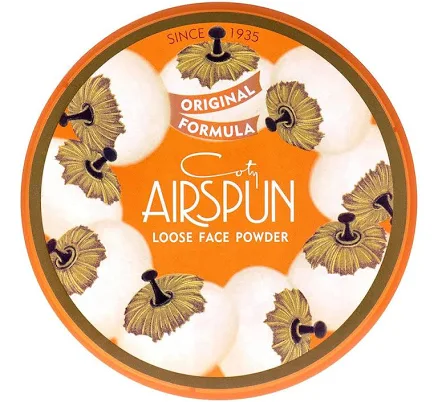
Coty Airspun Loose Face Powder
Low-medium risk. Traditional mineral formulation unlikely to contain PFAS, though brand silence limits certainty.
Airspun is a classic talc and mica loose powder with no known PFAS-prone treatments. Coty hasn't publicly disclosed PFAS information, and no third-party lab testing is publicly available.
We flunk more products than we pass. This one earned its grade. How we grade
Material
talc, mica, mineral pigments
Brand disclosure
Brand is silent on PFAS
Lab data
No public lab test
You may also be interested in
Top-graded picks in the categories readers replace first, every one scored on the same rubric.

- polypropylene filter housing, carbon/sediment cartridge
- We found no PFAS statement from the brand
- Bacterial growth in spent cartridges
3 hazards checked on this product, all on its full breakdown.

Aquasure
Premier Series 75 GPD Under Sink Reverse Osmosis Water Filtration System
- RO membrane, carbon filters, stainless steel housing
- We found no PFAS statement from the brand
- Bacterial and microbial growth in housing and filters
4 hazards checked on this product, all on its full breakdown.

Avocado
Vegan Mattress
- organic cotton, natural latex, coconut coir, recycled steel coils
- The brand calls it PFAS-free, which we have not verified
- Heavy metals
2 hazards checked on this product, all on its full breakdown.
What Coty Airspun Loose Face Powder is made of, ingredients and materials
Coty Airspun is a talc-based loose powder formulated with mica and mineral pigments (iron oxides, titanium dioxide). Talc is a naturally occurring mineral that can be mined alongside asbestos-containing rock; separation during processing is not foolproof. The powder's loose, airborne form means inhalation exposure is the primary route of concern, unlike pressed formulations that shed less particulate into air.
What’s concerning
Category baseline
The starting point for this type of product, before anything specific to this product is counted.
No PFAS disclosure
No public statement from the brand about PFAS in this product.
Asbestos contamination (talc sourcing)
Talc deposits globally can contain asbestos fibers. While FDA-regulated talc cosmetics must not contain detectable asbestos, Coty publishes no third-party test data for Airspun. Industry-wide talc contamination litigation is ongoing; no specific recall of this product exists, but risk category is established for loose talc powders.
Inhalation particulate exposure
Heavy metals
Iron oxides and titanium dioxide are generally well-regulated, but Coty's sourcing and QA practices are not publicly disclosed. Independent testing of talc and mica powders has occasionally detected lead and cadmium, though levels in finished cosmetics are usually below FDA concern thresholds.
Source, FDA ↗Microbial growth in loose powder packaging
Loose powders in open-sifter containers can absorb moisture and collect airborne bacteria if stored in humid bathrooms. No anti-caking agent claim is listed, so clumping signals moisture and potential mold. Container design does not prevent contamination post-opening.
What’s reassuring
Base material not linked to PFAS
The main material recorded for this product is not one associated with PFAS.
Fragrance or synthetic allergens
Airspun is primarily unscented or lightly fragranced. No formaldehyde releasers or known sensitizing fragrance compounds are standard in budget talc powder lines, though full ingredient disclosure by Coty is not available.
How is this PFAS grade calculated?
The brand's record and disclosure
Coty does not publicly disclose talc sourcing practices, asbestos testing protocols, or heavy metal screening for Airspun. The brand has not faced major recalls for Airspun specifically, but Coty's parent company Revlon faced talc litigation in the 2020s tied to asbestos concerns in other brands. No third-party certifications (hypoallergenic claims only) appear on labeling. Silence on contaminant testing is typical for budget powder lines but limits consumer assurance.
How it compares in its category
Airspun is among the cheapest talc-based loose powders sold in the US mass market. Talc powders as a category carry inherent asbestos contamination risk that mineral-only (non-talc) alternatives avoid entirely; mica-based or silica-based loose powders eliminate this concern. Airspun's formulation is simpler than many prestige powders, reducing synthetic binder and fragrance allergen load, but offers no compensating safety advantage on the talc question.
If you buy it
Apply in well-ventilated areas and avoid inhalation of the powder cloud; do not apply to face of infants or young children. Replace annually or when clumping occurs (sign of moisture ingress and potential mold growth). Consider decanting into a compact with a sifter rather than using the loose-powder applicator to reduce airborne particles. If respiratory sensitivity exists, switch to talc-free loose powders (mica or silica base) or pressed powders.
What is not known about PFAS in this product?
- Basis
- Model estimate, 72% confidence, not a lab result
- Lab test
- None on record for this exact product
- Brand statement
- Coty Airspun has made none
Formulations change between production runs, so check the current label. How we grade.
What are the PFAS-free alternatives to Coty Airspun Loose Face Powder?
Bare Minerals
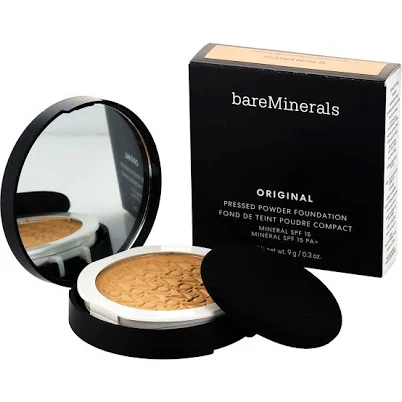
bareMinerals Original Talc-Free Pressed Powder Foundation Mineral SPF 15
- Talc-free mineral powder (mica, iron oxides, titanium dioxide)
- The brand calls it PFAS-free, which we have not verified
- Bacterial or fungal growth in powder cake
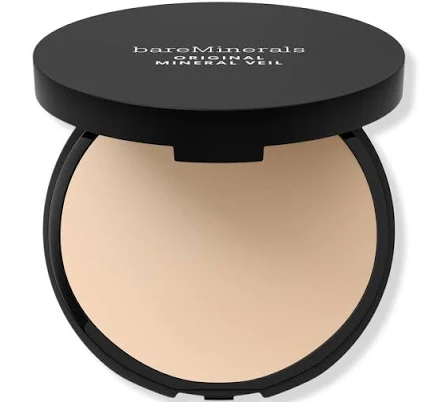
- Mineral powder (talc, mica, oxides)
- The brand calls it PFAS-free, which we have not verified
- Talc and historical asbestos contamination
3 hazards checked on this product, all on its full breakdown.
More pressed powder grades
How we score, every product runs through the same public 0-100 rubric based on materials, coatings, brand disclosure, lab findings, and recalls. See the full methodology → Spotted a mistake? Report an error.