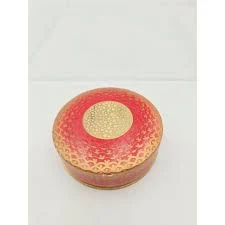
Vintage 1930s 1940s Coty Air Spun L'Aimant SOLEIL D'or .63oz Powder Partial
Lower concern. Talc powder with mineral pigments, no water-repellent finish on record.
Material as recorded is talc powder with mineral pigments. The brand has no PFAS statement on record. Talc is not a material linked to PFAS, though the brand does not disclose whether any processing aids or additives were used.
We flunk more products than we pass. This one earned its grade. How we grade
Material
talc powder with mineral pigments
Brand disclosure
Brand is silent on PFAS
Lab data
No public lab test
You may also be interested in
Top-graded picks in the categories readers replace first, every one scored on the same rubric.

- polypropylene filter housing, carbon/sediment cartridge
- We found no PFAS statement from the brand
- Bacterial growth in spent cartridges
3 hazards checked on this product, all on its full breakdown.

Aquasure
Premier Series 75 GPD Under Sink Reverse Osmosis Water Filtration System
- RO membrane, carbon filters, stainless steel housing
- We found no PFAS statement from the brand
- Bacterial and microbial growth in housing and filters
4 hazards checked on this product, all on its full breakdown.

Avocado
Vegan Mattress
- organic cotton, natural latex, coconut coir, recycled steel coils
- The brand calls it PFAS-free, which we have not verified
- Heavy metals
2 hazards checked on this product, all on its full breakdown.
What Vintage 1930s 1940s Coty Powder Partial is made of, ingredients and materials
This is a talc-based pressed powder from the 1930s-1940s era, before modern mining and milling standards. Talc itself is a mineral that can be contaminated with asbestos during extraction if deposits overlap geologically. The product also contains mineral pigments (likely iron oxides, mica, and possibly lead or cadmium-bearing lakes for color) typical of that period's cosmetics. Inhalation of talc particles, especially in older formulations with looser quality controls, poses the primary safety concern for this product class.
What’s concerning
Category baseline
The starting point for this type of product, before anything specific to this product is counted.
No PFAS disclosure
No public statement from the brand about PFAS in this product.
Asbestos contamination in talc
Talc mined before 1970s-1980s, especially from certain geographic deposits, frequently contained asbestos fibers. Vintage 1930s-1940s powders predate rigorous asbestos screening and pose inhalation risk if powder is disturbed or applied.
Lead
Cosmetics from this era routinely used lead and cadmium-containing pigments for color. No product-specific assay is available, but lead rouge, cadmium lakes, and arsenic-tinted colorants were common in vintage face powders and pose dermal and inhalation exposure risk.
Source, ATSDR ↗Talc particle inhalation
Loose or pressed talc powders generate inhalable dust particles. Chronic inhalation is associated with talcosis (a pneumoconiosis). Vintage formulations lack moisture-binding or anti-cake agents that modern powders use to minimize dust generation.
Undisclosed additives and stabilizers
1930s-1940s cosmetics often contained zinc stearate, bismuth compounds, and other undocumented stabilizers. Ingredient lists for vintage Coty products are not routinely published or preserved, so full composition is unknown.
Coating degradation and material breakdown
After 80+ years, the compact casing, binder resins, and pressed cake matrix may have degraded, increasing shedding and aerosolization of powder particles if the product is handled or opened.
What’s reassuring
Base material not linked to PFAS
The main material recorded for this product is not one associated with PFAS.
How is this PFAS grade calculated?
The brand's record and disclosure
Coty was a major cosmetics producer in the 1930s-1940s but has no documented modern safety disclosures for this vintage formula. The company has not published talc asbestos testing or pigment metal content for historical products. Coty as a contemporary brand (now owned by JAB Holding) markets modern pressed powders but does not typically disclose vintage product reformulations or historical safety data. No recalls specifically naming this product or batch exist in public records, but absence of recall does not indicate safety testing was performed at the time of manufacture.
How it compares in its category
Modern talc powders (MAC, Bare Minerals, Estée Lauder) are either asbestos-tested or talc-free alternatives such as mica or silica. Vintage powders from this era predate widespread asbestos awareness and do not carry manufacturer attestations of safety. A 1930s-1940s pressed powder is considerably higher risk than contemporary formulations in terms of potential asbestos and unidentified heavy metal pigment burden. This product is a collectible cosmetic rather than one intended for regular use.
If you buy it
Do not apply this product to skin or inhale it. Store in an airtight sealed container away from moisture to prevent powder drift. If you own this as a collectible, handle minimally and never decant or open the compact unless necessary. Consider this a historical artifact rather than functional cosmetic; contemporary talc-free or asbestos-tested alternatives are available for daily use.
What is not known about PFAS in this product?
- Basis
- Model estimate, 78% confidence, not a lab result
- Lab test
- None on record for this exact product
- Brand statement
- Coty Airspun has made none
Formulations change between production runs, so check the current label. How we grade.
What are the PFAS-free alternatives to Vintage 1930s 1940s Coty Air Spun L'Aimant SOLEIL D'or .63oz Powder Partial?
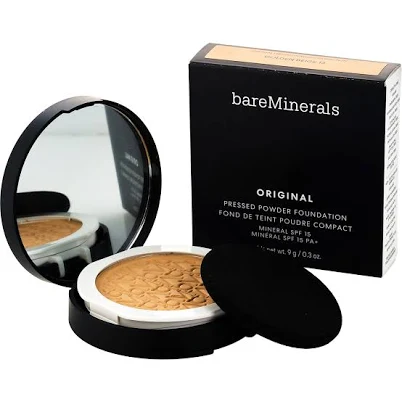
Bare Minerals
bareMinerals Original Talc-Free Pressed Powder Foundation Mineral SPF 15
- Talc-free mineral powder (mica, iron oxides, titanium dioxide)
- The brand calls it PFAS-free, which we have not verified
- Bacterial or fungal growth in powder cake
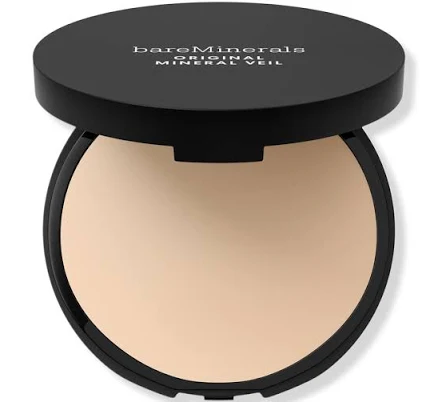
- Mineral powder (talc, mica, oxides)
- The brand calls it PFAS-free, which we have not verified
- Talc and historical asbestos contamination
3 hazards checked on this product, all on its full breakdown.
More pressed powder grades
How we score, every product runs through the same public 0-100 rubric based on materials, coatings, brand disclosure, lab findings, and recalls. See the full methodology → Spotted a mistake? Report an error.