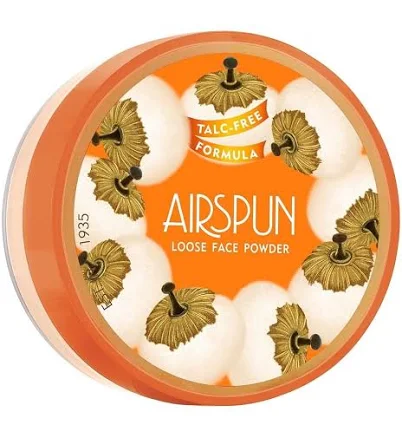
Coty Airspun Loose Face Powder Translucent
Low-medium risk. No known PFAS in standard talc and mica powders, but no brand transparency.
Coty Airspun Translucent is talc and mica-based with no documented PFAS additives in typical formulas. The brand makes no public PFAS claims, and this product category rarely requires water-resistance treatments.
We flunk more products than we pass. This one earned its grade. How we grade
Material
talc, mica, mineral pigments
Brand disclosure
Brand is silent on PFAS
Lab data
No public lab test
You may also be interested in
Top-graded picks in the categories readers replace first, every one scored on the same rubric.

- polypropylene filter housing, carbon/sediment cartridge
- We found no PFAS statement from the brand
- Bacterial growth in spent cartridges
3 hazards checked on this product, all on its full breakdown.

Aquasure
Premier Series 75 GPD Under Sink Reverse Osmosis Water Filtration System
- RO membrane, carbon filters, stainless steel housing
- We found no PFAS statement from the brand
- Bacterial and microbial growth in housing and filters
4 hazards checked on this product, all on its full breakdown.

Avocado
Vegan Mattress
- organic cotton, natural latex, coconut coir, recycled steel coils
- The brand calls it PFAS-free, which we have not verified
- Heavy metals
2 hazards checked on this product, all on its full breakdown.
What Coty Airspun Loose Face Powder Translucent is made of, ingredients and materials
Coty Airspun Translucent is a talc-based loose powder blended with mica and iron oxides. Talc is a naturally occurring silicate mineral that has been used in cosmetics for decades. The powder formulation means particles remain loose rather than compressed, which increases inhalation exposure during application compared to pressed powders. Mica and iron oxides are generally stable mineral pigments with low toxicity risk, but the talc base is the primary safety consideration.
What’s concerning
Category baseline
The starting point for this type of product, before anything specific to this product is counted.
No PFAS disclosure
No public statement from the brand about PFAS in this product.
Talc inhalation and respiratory exposure
Talc powder particles are respirable and deposited in lungs with repeated inhalation during application. Independent studies document talc in lung tissue of regular users, though causality to disease remains contested in peer review. The loose powder form increases particle aerosolization compared to pressed formulations.
Talc contamination with asbestos or asbestiform minerals
Talc deposits worldwide can contain naturally occurring asbestos fibers or asbestiform minerals as geological contaminants. FDA does not require asbestos testing of cosmetic talc, and Coty has not published asbestos assay results for this product. Risk is lower in modern mining and processing but remains unquantified for this specific batch.
Mica contamination and labeling opacity
Mica sourcing in cosmetics has faced scrutiny for inadequate conflict-mineral disclosure and occasional heavy metal contamination depending on mining origin. Coty does not publicly disclose mica sourcing or purity testing for Airspun. Contamination is not documented for this specific product but transparency gap limits confidence.
What’s reassuring
Base material not linked to PFAS
The main material recorded for this product is not one associated with PFAS.
Heavy metals
Iron oxides used in cosmetics are synthetic, highly purified forms that comply with FDA Color Additive regulations. No historical contamination or leaching issues documented for iron oxide in loose powders. Risk of lead or cadmium from this ingredient is negligible in compliance-manufactured products.
Source, FDA ↗Fragrance allergen or undisclosed sensitizers
Coty Airspun Translucent is lightly scented or fragrance-free depending on formulation variant. No widespread dermatologic reports of contact dermatitis or fragrance reaction tied to this product in public databases. Talc-sensitive or asthma-prone individuals may experience irritation from any loose powder regardless of fragrance.
How is this PFAS grade calculated?
The brand's record and disclosure
Coty is a major publicly traded cosmetics manufacturer with established safety protocols, but the company has not published detailed ingredient sourcing or third-party testing results for this specific product. The brand maintains no visible position on talc litigation or PFAS transparency relative to competitors. No major FDA recalls or safety advisories have been issued specifically for Coty Airspun powder in recent records. However, Coty's parent company has faced lawsuits related to talc products across its portfolio, which reflects broader industry exposure rather than unique brand negligence.
How it compares in its category
Talc-based loose powders dominate the mass-market face powder category and are typically priced lower than talc-free alternatives (e.g., rice starch, arrowroot, or mineral-only powders). Coty Airspun is a legacy product with stable formulation and widespread availability, making it a baseline reference point rather than an innovator in safety. Talc-free or silica-based loose powders from brands like Bare Minerals or MAC Fix+ offer reduced inhalation risk but cost 40-60% more. Most budget loose powders share the same talc-mica-pigment structure as Airspun.
If you buy it
Apply with a large fluffy brush rather than direct dispenser to minimize airborne particle inhalation. Avoid inhaling powder cloud during and immediately after application, and do not use on open wounds or irritated skin. Replace when color changes, texture clumps, or odor develops, typically within 2-3 years for loose powder stored in a cool, dry place. Store in a sealed container away from moisture and heat to prevent degradation and caking.
What is not known about PFAS in this product?
- Basis
- Model estimate, 72% confidence, not a lab result
- Lab test
- None on record for this exact product
- Brand statement
- Coty Airspun has made none
Formulations change between production runs, so check the current label. How we grade.
What are the PFAS-free alternatives to Coty Airspun Loose Face Powder Translucent?
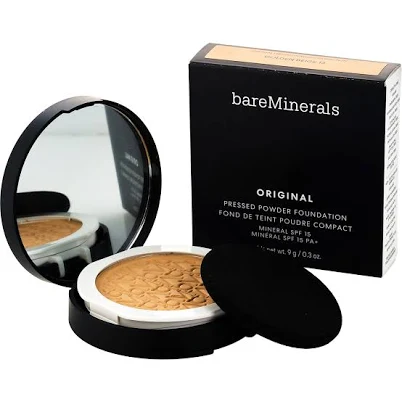
Bare Minerals
bareMinerals Original Talc-Free Pressed Powder Foundation Mineral SPF 15
- Talc-free mineral powder (mica, iron oxides, titanium dioxide)
- The brand calls it PFAS-free, which we have not verified
- Bacterial or fungal growth in powder cake
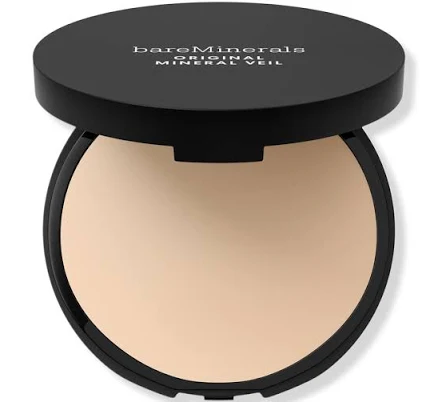
- Mineral powder (talc, mica, oxides)
- The brand calls it PFAS-free, which we have not verified
- Talc and historical asbestos contamination
3 hazards checked on this product, all on its full breakdown.
More pressed powder grades
How we score, every product runs through the same public 0-100 rubric based on materials, coatings, brand disclosure, lab findings, and recalls. See the full methodology → Spotted a mistake? Report an error.