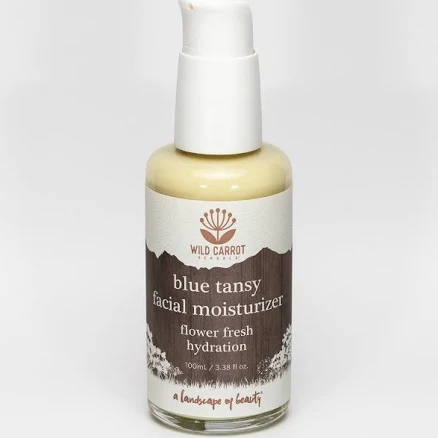
Wild Carrot Herbals Blue Tansy Facial Moisturizer
Lower PFAS concern for a plant-based facial moisturizer without waterproofing claims.
This organic plant-based moisturizer lacks the water-repellent or non-stick treatments that typically require PFAS. Facial moisturizers don't need fluorinated coatings, so inherent risk is minimal.
We flunk more products than we pass. This one earned its grade. How we grade
Material
Water-based facial moisturizer (organic oils, plant extracts, emulsifiers)
Brand disclosure
Brand is silent on PFAS
Lab data
No public lab test
You may also be interested in
Top-graded picks in the categories readers replace first, every one scored on the same rubric.

- polypropylene filter housing, carbon/sediment cartridge
- We found no PFAS statement from the brand
- Bacterial growth in spent cartridges
3 hazards checked on this product, all on its full breakdown.

Aquasure
Premier Series 75 GPD Under Sink Reverse Osmosis Water Filtration System
- RO membrane, carbon filters, stainless steel housing
- We found no PFAS statement from the brand
- Bacterial and microbial growth in housing and filters
4 hazards checked on this product, all on its full breakdown.

Avocado
Vegan Mattress
- organic cotton, natural latex, coconut coir, recycled steel coils
- The brand calls it PFAS-free, which we have not verified
- Heavy metals
2 hazards checked on this product, all on its full breakdown.
What Wild Carrot Herbals Blue Tansy Moisturizer is made of, ingredients and materials
This is a water-based facial moisturizer built on organic oils and plant extracts (blue tansy, presumably the key botanical) with emulsifiers to bind water and oil phases. Water-based formulations inherently carry lower PFAS risk than silicone or heavily fluorinated products, since PFAS have no functional role in plant-extract creams. The main exposure vectors in this category are fragrance allergens, heavy metals in colorants (particularly iron oxides or ultramarine pigments if present), and formaldehyde releasers used as preservatives in some plant-based lines.
What’s concerning
Category baseline
The starting point for this type of product, before anything specific to this product is counted.
No PFAS disclosure
No public statement from the brand about PFAS in this product.
Fragrance allergens (undisclosed blend components)
Plant-based moisturizers often use essential oil blends or fragrance compounds derived from botanicals; blue tansy itself and emulsifiers may contain contact sensitizers. Full INCI breakdown is not readily available from public sources for this brand.
Formaldehyde / VOCs
Plant-based creams often rely on preservative systems that release formaldehyde over time (DMDM hydantoin, imidazolidinyl urea) to prevent mold in water-based emulsions. The brand does not publicly disclose its preservative choice.
Source, ATSDR ↗Oxidation and rancidity of organic oils
Unpreserved or minimally preserved organic oil blends are prone to oxidative degradation, especially after opening; degradation products can irritate sensitive skin or trigger allergic responses. Storage conditions and shelf life are not clearly communicated by the brand.
1,4-dioxane contamination (ethoxylated emulsifiers)
If the product uses ethoxylated emulsifiers common in plant-based lines (e.g., PEG derivatives or ceteth compounds), 1,4-dioxane may be present as a manufacturing byproduct at low levels. No specific testing data is available for this brand.
What’s reassuring
Base material not linked to PFAS
The main material recorded for this product is not one associated with PFAS.
Heavy metals
No specific contamination reports exist for Wild Carrot Herbals products. However, if the product contains visible color (e.g., blue pigment from tansy), verify whether iron oxides or ultramarine are certified for facial use and tested for lead/cadmium; this is typical for the category but not always disclosed.
Source, FDA ↗How is this PFAS grade calculated?
The brand's record and disclosure
Wild Carrot Herbals positions itself as an organic and plant-focused skincare line, but the brand maintains public silence on PFAS policy and does not appear to have published third-party certifications (e.g., EWG verification, NSF organic) that would independently verify formulation claims. No major recalls or safety controversies are on record for this specific product. Ingredient transparency is limited to marketing language rather than full INCI disclosure on typical retail listings.
How it compares in its category
Plant-based moisturizers occupy a middle tier for chemical safety, they avoid synthetic polymers and heavy silicone loads that can trap contaminants, but they rely more heavily on preservative systems and fragrance blends to stay shelf-stable. This product sits squarely in the premium natural segment, which often claims fewer synthetic additives but rarely backs that with toxicology reporting. Most conventional facial moisturizers of similar price carry similar or slightly higher heavy-metal and fragrance risks; the main differentiation is PFAS absence, which is standard for this type anyway.
If you buy it
Perform a patch test on inner wrist or behind ear for 48 hours, especially if you have fragrance sensitivity or atopic dermatitis. Store in a cool, dark place to slow oxidation of oils and preservative degradation. Watch the jar or tube for signs of separation, discoloration, or odor change, which may indicate microbial growth or breakdown; discard if observed. Do not use if the full ingredient list (obtainable from the brand directly) lists formaldehyde releasers like DMDM hydantoin or if you have known sensitivity to botanical fragrance compounds.
What is not known about PFAS in this product?
- Basis
- Model estimate, 78% confidence, not a lab result
- Lab test
- None on record for this exact product
- Brand statement
- Blue Tansy has made none
Formulations change between production runs, so check the current label. How we grade.
What are the PFAS-free alternatives to Wild Carrot Herbals Blue Tansy Facial Moisturizer?
- Mineral sunscreen, zinc oxide base
- A third party reports verifying it as PFAS-free
- 1,4-dioxane (non-intentional contaminant from surfactants/emulsifiers)
2 hazards checked on this product, all on its full breakdown.
- mineral sunscreen (zinc oxide or titanium dioxide base)
- The brand calls it PFAS-free, which we have not verified
- Synthetic fragrance allergens
More sunscreen grades
How we score, every product runs through the same public 0-100 rubric based on materials, coatings, brand disclosure, lab findings, and recalls. See the full methodology → Spotted a mistake? Report an error.