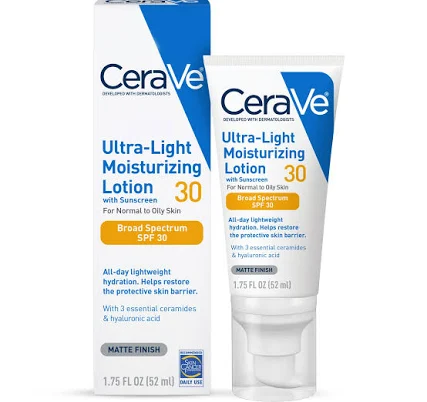
CeraVe Ultra-Light Moisturizing Lotion SPF 30
Lower concern. Mineral sunscreen base not linked to PFAS, but no brand PFAS statement.
Aqueous lotion with titanium dioxide and zinc oxide as UV filters, plus ceramides. The brand has no PFAS statement on record for this product.
We flunk more products than we pass. This one earned its grade. How we grade
Material
Aqueous lotion with mineral sunscreen (titanium dioxide/zinc oxide) and ceramides
Lab data
No public lab test
You may also be interested in
Top-graded picks in the categories readers replace first, every one scored on the same rubric.

- polypropylene filter housing, carbon/sediment cartridge
- We found no PFAS statement from the brand
- Bacterial growth in spent cartridges
3 hazards checked on this product, all on its full breakdown.

Aquasure
Premier Series 75 GPD Under Sink Reverse Osmosis Water Filtration System
- RO membrane, carbon filters, stainless steel housing
- We found no PFAS statement from the brand
- Bacterial and microbial growth in housing and filters
4 hazards checked on this product, all on its full breakdown.

Avocado
Vegan Mattress
- organic cotton, natural latex, coconut coir, recycled steel coils
- The brand calls it PFAS-free, which we have not verified
- Heavy metals
2 hazards checked on this product, all on its full breakdown.
What CeraVe Ultra-Light Moisturizing Lotion SPF is made of, ingredients and materials
This is a mineral (physical) sunscreen lotion built on titanium dioxide and zinc oxide as UV blockers, rather than chemical absorbers like oxybenzone or avobenzone. The aqueous base contains CeraVe's signature ceramides (lipids that mimic skin barrier function) and humectants like glycerin. Mineral sunscreens are generally considered less systemically absorbed than chemical alternatives, reducing internal exposure risk. The lotion form means no aerosolization hazard (unlike spray sunscreens), making inhalation exposure to titanium dioxide particles negligible in normal use.
What’s concerning
Category baseline
The starting point for this type of product, before anything specific to this product is counted.
No PFAS disclosure
No public statement from the brand about PFAS in this product.
Fragrance allergens and sensitizers
Product formulation details on fragrance sourcing are not publicly disclosed. CeraVe markets the line as 'fragrance-free' or lightly scented depending on variant; check label. Mineral sunscreens in this category rarely trigger fragrance-related allergies at typical use rates.
Skin irritation from zinc oxide
Zinc oxide is generally well-tolerated; however, some individuals experience mild irritation or dryness. This product is dermatologist-tested and marketed for sensitive skin, reducing but not eliminating individual risk.
What’s reassuring
Base material not linked to PFAS
The main material recorded for this product is not one associated with PFAS.
Titanium dioxide (inhalation)
Lotion formulation (not powder or spray) eliminates airborne particle exposure. Topical application of titanium dioxide in cosmetics is considered lower concern by FDA and EU regulators; dermal absorption is negligible.
Heavy metals
Titanium dioxide and zinc oxide are regulated cosmetic-grade minerals with strict purity standards. No contamination recalls or analyses suggesting lead, cadmium, or arsenic have been reported for CeraVe sunscreen products.
Source, FDA ↗Formaldehyde / VOCs
Standard cosmetic preservatives in aqueous lotions may include formaldehyde-releasing agents, but CeraVe has not triggered regulatory warnings or recalls for this hazard. Formaldehyde exposure from topical cosmetics is considered minimal under normal use.
Source, ATSDR ↗How is this PFAS grade calculated?
The brand's record and disclosure
CeraVe (owned by L'Oreal) has not publicly committed to PFAS avoidance or disclosed supplier testing for fluorinated compounds, a common silence in mainstream skincare. The brand holds no specific third-party certifications (e.g., EWG Verified, Cradle to Cradle) that would signal independent safety auditing. No recalls or regulatory actions are on record for this product line. The brand's general marketing emphasizes dermatologist recommendation and ceramide science, but does not address chemical supplier transparency.
How it compares in its category
Mineral sunscreens (this product's type) carry lower systemic absorption risk than chemical sunscreens, reducing concern about internal exposure from UV protection. CeraVe's lotion formulation avoids spray delivery, which eliminates inhalation risk present in aerosol products. Competitors like Neutrogena and Coppertone offer similar mineral options at lower cost with similar transparency gaps. EWG-verified and organic sunscreen brands (e.g., Badger, Raw Elements) provide explicit PFAS and synthetic chemical sourcing disclosures, but command higher prices.
If you buy it
Apply generously (at least one-quarter teaspoon for face) and reapply every two hours or after swimming, as directed; mineral sunscreens do not degrade from sun exposure like chemical ones. Store at room temperature away from direct heat; mineral blockers are chemically stable and unlikely to degrade into hazardous byproducts. Discontinue use if skin irritation occurs; titanium dioxide has no hazard of this kind on record, but individual sensitivities are possible. No special maintenance or replacement triggers apply beyond normal cosmetic shelf life (typically 12-24 months once opened).
What is not known about PFAS in this product?
- Basis
- Model estimate, 82% confidence, not a lab result
- Lab test
- None on record for this exact product
- Brand statement
- CeraVe has made a specific claim
Formulations change between production runs, so check the current label. How we grade.
What are the PFAS-free alternatives to CeraVe Ultra-Light Moisturizing Lotion SPF 30?
- Mineral sunscreen, zinc oxide base
- A third party reports verifying it as PFAS-free
- 1,4-dioxane (non-intentional contaminant from surfactants/emulsifiers)
2 hazards checked on this product, all on its full breakdown.
- mineral sunscreen (zinc oxide or titanium dioxide base)
- The brand calls it PFAS-free, which we have not verified
- Synthetic fragrance allergens
More sunscreen grades
How we score, every product runs through the same public 0-100 rubric based on materials, coatings, brand disclosure, lab findings, and recalls. See the full methodology → Spotted a mistake? Report an error.