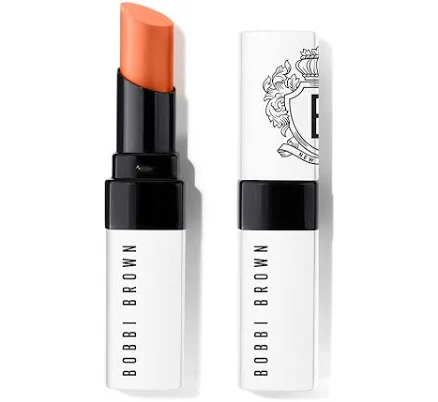
Bobbi Brown · Lip Balm & Long-Wear Lipstick
Bobbi Brown Extra Lip Tint
Lower-concern cosmetic; no known PFAS triggers, but brand transparency absent.
This pigmented lip cosmetic contains no publicly documented waterproof treatment or Teflon-family coating ingredient. The brand makes no PFAS disclosure.
We flunk more products than we pass. This one earned its grade. How we grade
Material
Pigmented liquid emulsion/wax blend (typical lip tint base)
Lab data
No public lab test
You may also be interested in
Top-graded picks in the categories readers replace first, every one scored on the same rubric.

- polypropylene filter housing, carbon/sediment cartridge
- We found no PFAS statement from the brand
- Bacterial growth in spent cartridges
3 hazards checked on this product, all on its full breakdown.

Aquasure
Premier Series 75 GPD Under Sink Reverse Osmosis Water Filtration System
- RO membrane, carbon filters, stainless steel housing
- We found no PFAS statement from the brand
- Bacterial and microbial growth in housing and filters
4 hazards checked on this product, all on its full breakdown.

Avocado
Vegan Mattress
- organic cotton, natural latex, coconut coir, recycled steel coils
- The brand calls it PFAS-free, which we have not verified
- Heavy metals
2 hazards checked on this product, all on its full breakdown.
What Bobbi Brown Extra Lip Tint is made of, ingredients and materials
Bobbi Brown Extra Lip Tint is a pigmented liquid emulsion combining waxes, oils, and colorants in a lightweight base. The pigment load in lip tints is typically lower than in traditional lipsticks, reducing cumulative heavy metal exposure from iron oxides and synthetic dyes. Lip products are semi-occlusive and meant for topical use only, so systemic absorption of most ingredients remains minimal. The wax blend provides stability without requiring heavy preservative loads.
What’s concerning
Category baseline
The starting point for this type of product, before anything specific to this product is counted.
No PFAS disclosure
No public statement from the brand about PFAS in this product.
Fragrance allergens and irritation
Lip tints typically contain fragrance or flavoring compounds; Bobbi Brown does not disclose specific fragrance components. Lip skin is thin and permeable, making fragrance-sensitized individuals at higher risk for contact dermatitis. Patch testing recommended for those with cosmetic sensitivities.
Bacterial or fungal growth (emulsion degradation)
As a liquid emulsion without high preservative load, this product is vulnerable to microbial colonization if stored improperly or used past shelf life. Applicator hygiene and replacement schedule are user-dependent controls.
What’s reassuring
Base material not linked to PFAS
The main material recorded for this product is not one associated with PFAS.
Heavy metals
No recalls or published testing of Bobbi Brown lip tints for lead, cadmium, or arsenic. Industry standard synthetic iron oxide and carmine pigments carry minimal risk at typical lip product concentrations, though independent third-party verification by brand is absent.
Source, FDA ↗Formaldehyde / VOCs
No documented use of formaldehyde-releasing preservatives (e.g., DMDM hydantoin, imidazolidinyl urea) in Bobbi Brown products. Modern prestige brands typically use alternatives like phenoxyethanol or methylisothiazolinone.
Source, ATSDR ↗Microplastic or abrasive particle contamination
Bobbi Brown Extra Lip Tint does not list glitter, mica particles, or synthetic spheres in public ingredient disclosures. Particle-free formulations lower oral ingestion and environmental shedding risk.
How is this PFAS grade calculated?
The brand's record and disclosure
Bobbi Brown (owned by Estée Lauder Companies) maintains ingredient transparency via published ingredient lists but does not proactively disclose third-party testing or heavy metal screening results. The brand has no widely documented safety recalls or regulatory violations specific to lip products. Estée Lauder Companies state compliance with FDA and EU cosmetic regulations but remain silent on PFAS sourcing, which is standard for the prestige beauty sector and does not indicate use.
How it compares in its category
Lip tints typically use fewer synthetic thickeners and lower fragrance loads compared to many lip glosses, which may reduce irritation and allergen risk. Bobbi Brown's formulation sits in the mid-to-premium safety tier, better than ultra-cheap glosses with undefined pigments, comparable to competitors like MAC Fix+. The brand's omission of glitter or pearl suspensions (which can harbor microbes) and focus on clean oils positions it favorably within prestige cosmetics.
If you buy it
Replace every 12-18 months or sooner if odor changes, as emulsions degrade and bacterial contamination risk rises with age. Store in cool, dry conditions away from direct heat; do not leave in sunlight or hot cars. Avoid sharing applicators or wands to prevent cross-contamination. Discontinue use if redness, swelling, or persistent irritation develops; lip skin is thin and can react to even stable ingredients in sensitive individuals.
What is not known about PFAS in this product?
- Basis
- Model estimate, 72% confidence, not a lab result
- Lab test
- None on record for this exact product
- Brand statement
- Bobbi Brown has made a specific claim
Formulations change between production runs, so check the current label. How we grade.
More lip balm & long-wear lipstick grades
How we score, every product runs through the same public 0-100 rubric based on materials, coatings, brand disclosure, lab findings, and recalls. See the full methodology → Spotted a mistake? Report an error.