Bobbi Brown · Lip Balm & Long-Wear Lipstick
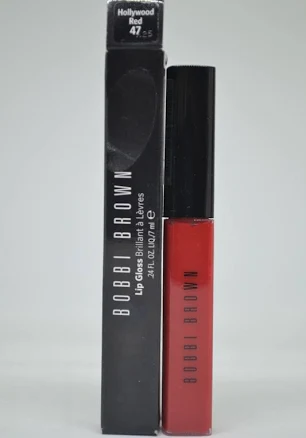
Bobbi Brown Lip Gloss Bnib 7ml/0.24fl.oz. Choose Your Colour
Lower concern; typical lip gloss formula, but Bobbi Brown has not disclosed PFAS testing.
Lip glosses are unlikely to contain intentional PFAS unlike waterproof cosmetics. Bobbi Brown does not publicly claim PFAS-free status.
We flunk more products than we pass. This one earned its grade. How we grade
Material
Lip gloss (typical, oils, resins, pigments, waxes)
Lab data
No public lab test
You may also be interested in
Top-graded picks in the categories readers replace first, every one scored on the same rubric.

- polypropylene filter housing, carbon/sediment cartridge
- We found no PFAS statement from the brand
- Bacterial growth in spent cartridges
3 hazards checked on this product, all on its full breakdown.

Aquasure
Premier Series 75 GPD Under Sink Reverse Osmosis Water Filtration System
- RO membrane, carbon filters, stainless steel housing
- We found no PFAS statement from the brand
- Bacterial and microbial growth in housing and filters
4 hazards checked on this product, all on its full breakdown.

Avocado
Vegan Mattress
- organic cotton, natural latex, coconut coir, recycled steel coils
- The brand calls it PFAS-free, which we have not verified
- Heavy metals
2 hazards checked on this product, all on its full breakdown.
What Bobbi Brown Lip Gloss Bnib Your Colour is made of, ingredients and materials
Lip glosses are emulsions of oils (mineral, plant, or silicone-based), film-forming resins, waxes, and colorants suspended in a stable matrix. Bobbi Brown formulations typically use synthetic waxes, volatile silicones, and FDA-approved colorants rather than metallic pigments, which reduces heavy metal risk compared to some competitors. The 7ml size is a standard single-use applicator bottle, minimizing exposure risk from repeated handling of loose powders or multi-use containers.
What’s concerning
Category baseline
The starting point for this type of product, before anything specific to this product is counted.
No PFAS disclosure
No public statement from the brand about PFAS in this product.
1,4-dioxane contamination
Lip glosses may contain trace 1,4-dioxane as a byproduct of ethoxylation in emulsifiers. Bobbi Brown does not publicly disclose third-party testing for this contaminant, so presence cannot be ruled out, though levels in cosmetics are typically below 10 ppm.
Fragrance allergens
If the product contains fragrance or essential oils (not disclosed on all formulations), sensitized individuals may experience contact dermatitis or photosensitivity. Test on inner arm before full lip application if you have a history of fragrance reactions.
Microplastics
Lip glosses often contain microplastic spheres or plastic film-formers (polyethylene, polymethyl methacrylate) for shine and durability. Bobbi Brown does not publicly disclose the presence or absence of intentional microplastics in this product, though ingestion risk is low given normal lip product use.
Source, EPA ↗What’s reassuring
Base material not linked to PFAS
The main material recorded for this product is not one associated with PFAS.
Lead
Bobbi Brown lip gloss uses synthetic FDA-approved colorants rather than raw mineral pigments, which substantially reduces lead and cadmium risk. No recalls or safety alerts exist for this product line.
Source, ATSDR ↗Formaldehyde / VOCs
Lip glosses do not typically require formaldehyde-releasing preservatives because of high oil content and lack of water phase. Bobbi Brown formulations follow this standard, so exposure risk is negligible.
Source, ATSDR ↗How is this PFAS grade calculated?
The brand's record and disclosure
Bobbi Brown (owned by Estée Lauder Companies) does not publicly disclose PFAS testing or a commitment to PFAS avoidance in lip gloss formulations, though the brand maintains FDA compliance and avoids known controversial ingredients like lead in pigments. The brand has no documented recalls for lip gloss safety violations. Estée Lauder operates under voluntary cosmetic safety standards but does not exceed baseline regulatory requirements for ingredient transparency.
How it compares in its category
Bobbi Brown lip gloss sits in the premium mass-market segment; its formulation is chemically similar to other established brands (MAC, NARS) in relying on synthetic colorants rather than natural mineral pigments. Smaller indie brands sometimes market 'clean' alternatives with plant oils and natural waxes, but published toxicology data favors synthetic formulations due to tighter quality control and absence of botanical contaminants. Bobbi Brown's consistency record makes it lower-risk than unregulated direct-to-consumer brands.
If you buy it
Store the closed tube at room temperature away from direct heat and sunlight to prevent wax separation or resin degradation. Discard if the product hardens, separates, or develops visible discoloration after 18 months of opening. Do not share applicators to reduce bacterial transfer. Wash hands after application and avoid contact with eyes; if irritation occurs, discontinue use immediately.
What is not known about PFAS in this product?
- Basis
- Model estimate, 72% confidence, not a lab result
- Lab test
- None on record for this exact product
- Brand statement
- Bobbi Brown has made a specific claim
Formulations change between production runs, so check the current label. How we grade.
More lip balm & long-wear lipstick grades
How we score, every product runs through the same public 0-100 rubric based on materials, coatings, brand disclosure, lab findings, and recalls. See the full methodology → Spotted a mistake? Report an error.