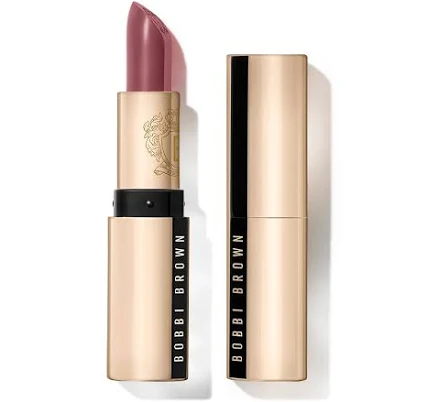
Bobbi Brown · Lip Balm & Long-Wear Lipstick
Bobbi Brown Luxe Lipstick
Lipstick formulations rarely use PFAS; lower concern than apparel or cookware.
Bobbi Brown Luxe Lipstick uses standard cosmetic waxes and pigments with no known PFAS triggers. Brand makes no PFAS claim, but lipstick category carries lower inherent risk than waterproof or non-stick products.
We flunk more products than we pass. This one earned its grade. How we grade
Material
wax, oils, pigments, standard cosmetic base
Lab data
No public lab test
You may also be interested in
Top-graded picks in the categories readers replace first, every one scored on the same rubric.

- polypropylene filter housing, carbon/sediment cartridge
- We found no PFAS statement from the brand
- Bacterial growth in spent cartridges
3 hazards checked on this product, all on its full breakdown.

Aquasure
Premier Series 75 GPD Under Sink Reverse Osmosis Water Filtration System
- RO membrane, carbon filters, stainless steel housing
- We found no PFAS statement from the brand
- Bacterial and microbial growth in housing and filters
4 hazards checked on this product, all on its full breakdown.

Avocado
Vegan Mattress
- organic cotton, natural latex, coconut coir, recycled steel coils
- The brand calls it PFAS-free, which we have not verified
- Heavy metals
2 hazards checked on this product, all on its full breakdown.
What Bobbi Brown Luxe Lipstick is made of, ingredients and materials
Bobbi Brown Luxe Lipstick uses a traditional wax and oil foundation (typical ingredients, beeswax, carnauba wax, jojoba oil, vitamin E) blended with FDA-approved colorants and pigments. This formulation avoids volatile solvents and synthetic polymers that can off-gas or degrade unpredictably. The solid stick format means no water phase requiring preservatives like formaldehyde releasers, and the closed-tube packaging minimizes oxidation and contamination during storage.
What’s concerning
No PFAS disclosure
No public statement from the brand about PFAS in this product.
Category baseline
The starting point for this type of product, before anything specific to this product is counted.
Fragrance allergens (cinnamal, limonene, linalool)
Bobbi Brown Luxe Lipstick contains fragrance compounds for scent and flavor. Individuals with fragrance sensitivity or contact dermatitis may react to linalool or other volatile esters. Fragrance is disclosed as a single ingredient on the label; full component listing is proprietary.
What’s reassuring
Base material not linked to PFAS
The main material recorded for this product is not one associated with PFAS.
Heavy metals
Bobbi Brown uses FDA-approved colorants typical of mainstream lipsticks. No lead, cadmium, or arsenic contamination has been reported in this product line or brand. Mica is a common colorant carrier with no hazard of this kind on record; carmine (cochineal extract) is regulated for food and cosmetics.
Source, FDA ↗Formaldehyde / VOCs
Solid wax lipsticks do not require water and thus do not typically use formaldehyde-releasing preservatives (DMDM hydantoin, imidazolidinyl urea) needed in liquid or cream formulas. No preservative allergies specific to this product are documented.
Source, ATSDR ↗Talc contamination
Bobbi Brown does not use talc in Luxe Lipstick; the formula relies on wax and silicates for texture. Talc-related litigation has not involved this product or brand.
1,4-dioxane as a solvent or processing impurity
1,4-dioxane is a residual contaminant in surfactant-rich formulas (shampoos, cleansers) and surfactant-free wax lipsticks do not typically contain it. No reports of 1,4-dioxane contamination in conventional lipstick products from major brands.
How is this PFAS grade calculated?
The brand's record and disclosure
Bobbi Brown (owned by Estée Lauder Companies) does not publicly disclose detailed ingredient sourcing or third-party cosmetic safety certifications. The brand maintains general compliance with FDA and EU cosmetic regulations but does not advertise clean beauty standards or heavy metal testing. No significant recalls or safety controversies specific to Luxe Lipstick are on record; the product line has been stable for decades with consistent formulation.
How it compares in its category
Luxe Lipstick sits in the mid-to-premium segment of conventional cosmetics. It avoids extreme minimalism (fewer preservatives = higher mold risk) and extreme complexity (excessive fragrance, glitter, or mica can harbor lead or cadmium). The wax-based formula is chemically simpler than gel or liquid lipsticks, reducing exposure to volatile compounds and synthetic polymers like silicones or acrylates.
If you buy it
Store the tube closed in a cool, dry place away from direct sunlight to prevent wax separation or rancidity in the oil phase. Replace every 18-24 months or if the scent becomes rancid (sign of oil oxidation). Avoid sharing applicators to reduce bacterial cross-contamination. If you experience irritation or allergic reaction, discontinue and patch-test a small amount on your forearm first; cosmetic allergies are typically to fragrance or lanolin, not the base.
What is not known about PFAS in this product?
- Basis
- Model estimate, 72% confidence, not a lab result
- Lab test
- None on record for this exact product
- Brand statement
- Bobbi Brown has made a specific claim
Formulations change between production runs, so check the current label. How we grade.
More lip balm & long-wear lipstick grades
How we score, every product runs through the same public 0-100 rubric based on materials, coatings, brand disclosure, lab findings, and recalls. See the full methodology → Spotted a mistake? Report an error.