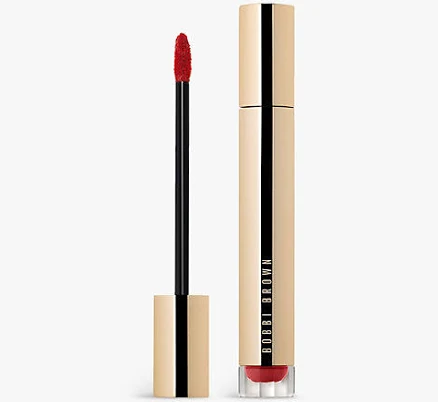
Bobbi Brown · Lip Balm & Long-Wear Lipstick
Bobbi Brown Luxe Matte Liquid Lipstick
Skip until brand discloses waterproofing chemistry or gets tested.
Luxe Matte is a waterproof liquid lipstick with undisclosed waterproofing agents. Bobbi Brown has not published PFAS information, and no third-party testing is publicly available.
The better-graded swap
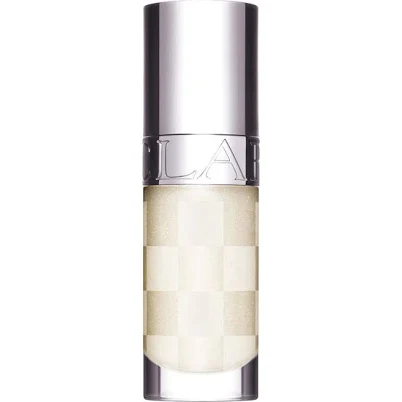
Clarins
Clarins Lip Comfort Oil Shimmer
75/100 safety
Same rubric that flunked this product. The swap earned Excellent.
Still want this one anyway? Check the price on Amazon. We’d swap it.
Material
liquid pigments, film-forming polymers, waterproofing agents
Lab data
No public lab test
You may also be interested in
Top-graded picks in the categories readers replace first, every one scored on the same rubric.

- polypropylene filter housing, carbon/sediment cartridge
- We found no PFAS statement from the brand
- Bacterial growth in spent cartridges
3 hazards checked on this product, all on its full breakdown.

Aquasure
Premier Series 75 GPD Under Sink Reverse Osmosis Water Filtration System
- RO membrane, carbon filters, stainless steel housing
- We found no PFAS statement from the brand
- Bacterial and microbial growth in housing and filters
4 hazards checked on this product, all on its full breakdown.

Avocado
Vegan Mattress
- organic cotton, natural latex, coconut coir, recycled steel coils
- The brand calls it PFAS-free, which we have not verified
- Heavy metals
2 hazards checked on this product, all on its full breakdown.
What Bobbi Brown Luxe Matte Liquid Lipstick is made of, ingredients and materials
Bobbi Brown Luxe Matte Liquid Lipstick is a film-forming liquid formulation combining pigments, polymeric binders (typically acrylates or silicones), and waterproofing agents to achieve long-wear, matte finish. The waterproofing chemistry is the critical unknown, matte liquid lipsticks commonly use synthetic polymer networks that may incorporate fluorinated compounds (PFAS-class) or other water-barrier resins. Without ingredient disclosure or third-party testing, the exact nature of water resistance cannot be verified. The liquid format requires preservatives and may contain fragrance compounds.
What’s concerning
Waterproof / stain-resistant treatment
Water-repellent coating treatments have historically used PFAS.
Category baseline
The starting point for this type of product, before anything specific to this product is counted.
No PFAS disclosure
No public statement from the brand about PFAS in this product.
Fragrance allergens and sensitizers
Bobbi Brown liquid lipsticks typically include fragrance in formulations; fragrance compounds are undisclosed in most retail marketing. Lip tissue is highly permeable, and lipsticks allow prolonged contact with sensitizing fragrance chemicals (e.g., limonene, cinnamaldehyde, eugenol if used). Individual tolerance varies widely.
Heavy metals
Matte liquid lipsticks rely on synthetic iron oxides, mica, and organic pigments; FDA-approved colorants are used but contaminant testing is not disclosed by brand. Trace lead, cadmium, or chromium in pigments is rare in regulated US products but cannot be ruled out without third-party testing.
Source, FDA ↗1,4-dioxane (contamination in emulsifiers/surfactants)
Matte liquid formulations often contain PEG or polysorbate emulsifiers that can carry 1,4-dioxane as a manufacturing byproduct. Bobbi Brown does not disclose whether distillation or purification is used to remove this contaminant; no test results are publicly available for this product.
Microplastic shedding from polymer matrix
Liquid matte lipsticks form a plastic-like film on lips that can flake or shed with eating, drinking, or natural lip movement. Small polymer particles are ingested; long-term systemic effects of cosmetic-grade microplastics are not fully characterized, but accumulation over repeated use is biochemically plausible.
What’s reassuring
Formaldehyde / VOCs
No public records indicate use of known formaldehyde releasers (DMDM hydantoin, imidazolidinyl urea) in Bobbi Brown cosmetics, but full preservative disclosure is not available. Risk is not elevated versus category average.
Source, ATSDR ↗How is this PFAS grade calculated?
The brand's record and disclosure
Bobbi Brown (owned by Este Lauder) does not publicly disclose full ingredient lists or manufacturing safety protocols specific to this product line on its primary marketing channels. The brand has not pursued third-party PFAS testing or published a PFAS reduction commitment as of available records. Este Lauder has faced historical scrutiny on transparency but is not known for major product recalls in the liquid lipstick category. No formal certifications (clean beauty, non-toxic, etc.) are marketed for this line.
How it compares in its category
Matte liquid lipsticks as a category carry inherent risk due to waterproofing chemistry opaqueness; Bobbi Brown is mid-to-premium tier and does not differentiate on safety disclosure versus mass-market competitors. Brands like Ilia Beauty or RMS Beauty market cleaner formulations with disclosed ingredients and PFAS avoidance, whereas drugstore alternatives (Maybelline, NYX) also lack transparency. Bobbi Brown's price point does not correlate with enhanced safety testing or third-party verification in this product line.
If you buy it
Patch test on inner lip or behind ear 24 hours before full application to screen for fragrance or preservative sensitivity. Apply thin layers to avoid buildup; remove with makeup remover (not just water, as waterproofing resists cleansing). Do not apply to broken or irritated skin. Replace every 12-18 months or if formula thickens or separates, as long-wear liquid formulas can accumulate bacteria if cap seal is compromised.
What is not known about PFAS in this product?
- Basis
- Model estimate, 35% confidence, not a lab result
- Lab test
- None on record for this exact product
- Brand statement
- Bobbi Brown has made a specific claim
Formulations change between production runs, so check the current label. How we grade.
What are the PFAS-free alternatives to Bobbi Brown Luxe Matte Liquid Lipstick?
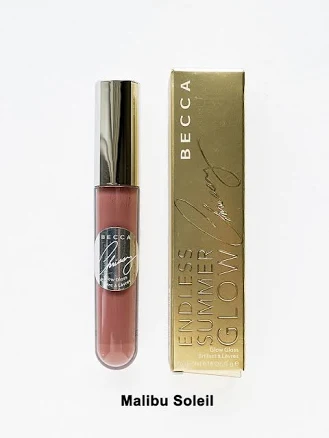
- Glycerin, silicones, pigments, film-formers (typical liquid cosmetic gloss)
- We found no PFAS statement from the brand
- Fragrance allergens and undisclosed components
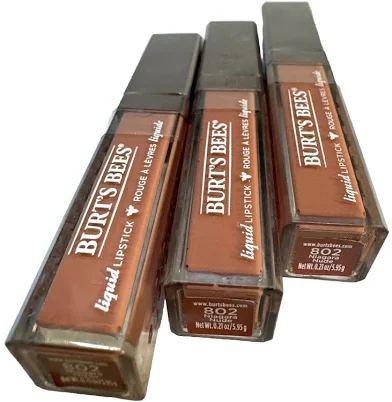
- Liquid lipstick, likely pigments, oils, and waxes
- Fragrance allergens or sensitizers
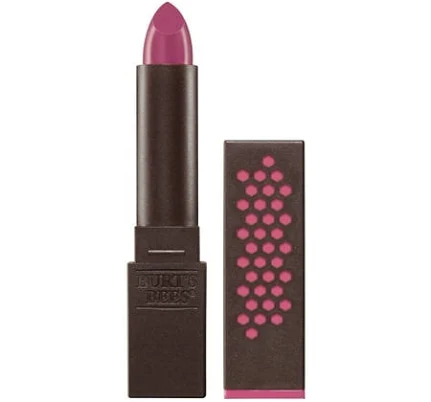
- Natural waxes and oils (beeswax, plant oils, pigments)
- Lead
3 hazards checked on this product, all on its full breakdown.
More lip balm & long-wear lipstick grades
How we score, every product runs through the same public 0-100 rubric based on materials, coatings, brand disclosure, lab findings, and recalls. See the full methodology → Spotted a mistake? Report an error.