Broil King · Pizza Stones & Baking Surfaces
Broil King Pizza Stone Grill Accessory - Extra Thick Ceramic Composite, Round, 15 In., Is It Non-Toxic?
Skip or verify ceramic formulation; brand discloses nothing.
Pizza stones are typically fired ceramic, a lower-concern material. However, Broil King provides no composition details, and some ceramic composites may contain unknown additives or coatings.
The better-graded swap
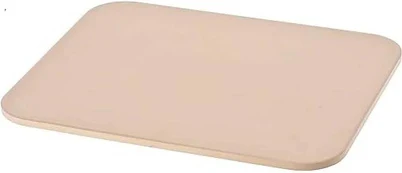
15-Inch Ceramic Pizza Stone for Perfect Crispy Crusts
90/100 safety
Same rubric that flunked this product. The swap earned Excellent.
Still want this one anyway? Check the price on Amazon. We’d swap it.
Material
Ceramic composite (fired clay-based material)
Brand disclosure
Brand is silent on PFAS
Lab data
No public lab test
You may also be interested in
Top-graded picks in the categories readers replace first, every one scored on the same rubric.

- polypropylene filter housing, carbon/sediment cartridge
- We found no PFAS statement from the brand
- Bacterial growth in spent cartridges
3 hazards checked on this product, all on its full breakdown.

Aquasure
Premier Series 75 GPD Under Sink Reverse Osmosis Water Filtration System
- RO membrane, carbon filters, stainless steel housing
- We found no PFAS statement from the brand
- Bacterial and microbial growth in housing and filters
4 hazards checked on this product, all on its full breakdown.

Avocado
Vegan Mattress
- organic cotton, natural latex, coconut coir, recycled steel coils
- The brand calls it PFAS-free, which we have not verified
- Heavy metals
2 hazards checked on this product, all on its full breakdown.
Is Broil King Pizza Stone Grill Round, non-toxic? What it is made of
This product is a fired clay-based ceramic composite, meaning it combines clay minerals, feldspar, silica, and possibly other mineral additives fired at high temperature to create a porous, heat-retentive surface. Ceramic composites do not use synthetic polymer coatings or Teflon-type coating, so fume risk from off-gassing at cooking temperatures is not a concern for this material class. The 'extra thick' specification improves heat distribution and thermal shock resistance. Because it is porous ceramic, it can absorb oils and food residues over time, but this does not pose a direct chemical hazard unless the clay source was contaminated with heavy metals during mining or processing.
What’s concerning
Category baseline
The starting point for this type of product, before anything specific to this product is counted.
No PFAS disclosure
No public statement from the brand about PFAS in this product.
Lead
Fired clay ceramics can contain trace lead or cadmium from natural mineral deposits in the clay source or from glaze formulation if applied. Broil King has not published heavy metal test results for this product. FDA CFR 109 sets legal limits for food-contact ceramics (cadmium 0.1 ppm extraction; lead 2-10 ppm depending on surface area), but no third-party verification for this model is on record.
Source, ATSDR ↗Thermal shock and structural failure
Ceramic stones are prone to cracking if exposed to rapid temperature changes. While this is a durability rather than a direct chemical hazard, fractures can compromise the stone's integrity and create sharp edges or allow water and food residues into internal cracks, potentially harboring bacteria or mold.
Bacterial or mold growth in porous surface
The porous nature of ceramic composite means food residues and moisture can be absorbed into microscopic voids. Inadequate cleaning or prolonged exposure to humid storage conditions could support bacterial or fungal growth, though this is a maintenance issue rather than an inherent material hazard.
What’s reassuring
Base material not linked to PFAS
The main material recorded for this product is not one associated with PFAS.
Coating degradation and chipping
This ceramic composite product does not use a distinct protective glaze layer typical of glazed cookware. Unglazed or minimally glazed ceramic pizza stones do not pose a chipping hazard that would expose contaminants, as the fired clay body itself is the cooking surface.
Aluminum or other metal leaching
Fired ceramic composite does not contain aluminum in a soluble form that would leach into food at normal cooking temperatures. This hazard applies to bare aluminum cookware or ceramics with specific glaze formulations and is not typical for uncoated ceramic stones.
How is this PFAS grade calculated?
The brand's record and disclosure
Broil King is a subsidiary of Heartland Brands and manufactures grills and accessories primarily in Asia and North America. The company has not published specific material safety data sheets or heavy metal testing results for this ceramic composite product. No product recalls related to lead, cadmium, or chemical contamination are on record for this specific model. Broil King's website and packaging do not disclose formulation details, third-party testing, or adherence to ceramic safety standards such as FDA CFR 109 (cadmium and lead limits for food-contact ceramics).
How it compares in its category
Ceramic pizza stones are among the lowest-concern cookware options because they are inert, non-coated, and do not leach metals under normal cooking conditions if sourced from regulated clay suppliers. They differ markedly from glazed ceramic cookware, which carries higher lead and cadmium risk if glazes are not formulated to meet food-contact limits. Compared to metal pizza steel, ceramic offers superior heat retention but slower preheating; compared to enameled cast iron, ceramic avoids enamel chipping and associated wear. Generic ceramic stones from unvetted suppliers carry unknown contamination risk; Broil King's mid-market positioning suggests compliance with basic standards, but this is not documented.
If you buy it
Place the stone on the grill grate and preheat gradually with the grill (do not place a cold stone on a hot grill, as thermal shock can crack it). Use at normal grilling temperatures (typically under 500-600°F for home grills); ceramic composites are stable well above this range. Do not use soap; wipe clean after cooling or scrape gently with a wooden or silicone tool. If the stone develops visible cracks, discoloration, or an off smell after extended use, discontinue use; inspect for glaze failure or substrate degradation, which can indicate clay contamination or manufacturing defect. Replace every 3-5 years if used frequently, or sooner if structural damage appears.
What is not known about PFAS in this product?
- Basis
- Model estimate, 78% confidence, not a lab result
- Lab test
- None on record for this exact product
- Brand statement
- Broil King has made none
Formulations change between production runs, so check the current label. How we grade.
What are the PFAS-free alternatives to Broil King Pizza Stone Grill Accessory - Extra Thick Ceramic Composite, Round, 15 In.?
15-Inch Ceramic Pizza Stone for Perfect Crispy Crusts
- Ceramic (clay-based baking stone)
- The brand calls it PFAS-free, which we have not verified
- Glaze degradation and surface leaching
3 hazards checked on this product, all on its full breakdown.
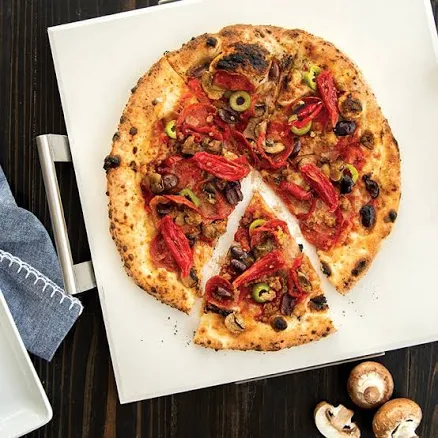
Deluxe Square Pizza Stone with Rack
- ceramic or unglazed stone; no nonstick coating
- The brand calls it PFAS-free, which we have not verified
- Ceramic or stone cracking and fragmentation
2 hazards checked on this product, all on its full breakdown.
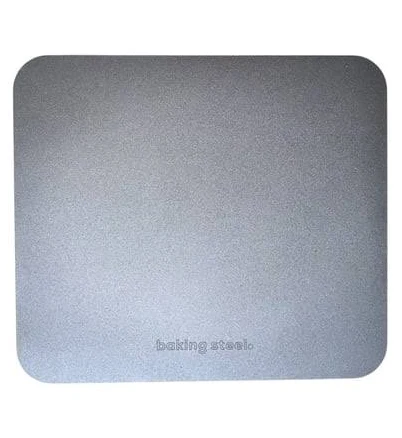
- carbon steel (bare metal, no coating)
- We found no PFAS statement from the brand
- Rust and corrosion
2 hazards checked on this product, all on its full breakdown.
Find an alternative on AmazonMore pizza stones & baking surfaces grades
How we score, every product runs through the same public 0-100 rubric based on materials, coatings, brand disclosure, lab findings, and recalls. See the full methodology → Spotted a mistake? Report an error.