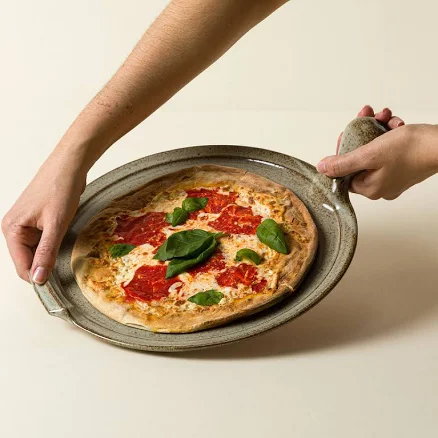
· Pizza Stones & Baking Surfaces
Artisan Ceramic Pizza Stone, Is It Non-Toxic?
Lower PFAS concern for ceramic pizza stones, which rarely use fluorinated coatings.
Ceramic pizza stones are made from inert clay and don't typically need non-stick or water-resistant coatings that introduce PFAS. The brand makes no explicit PFAS disclosure.
The better-graded swap
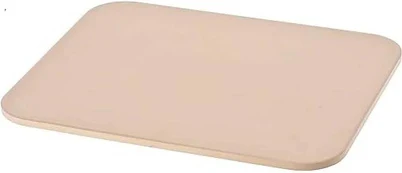
15-Inch Ceramic Pizza Stone for Perfect Crispy Crusts
90/100 safety
Same rubric that flunked this product. The swap earned Excellent.
Still want this one anyway? Check the price on Amazon. We’d swap it.
Material
Ceramic (unglazed or food-safe glazed)
Brand disclosure
Brand is silent on PFAS
Lab data
No public lab test
You may also be interested in
Top-graded picks in the categories readers replace first, every one scored on the same rubric.

- polypropylene filter housing, carbon/sediment cartridge
- We found no PFAS statement from the brand
- Bacterial growth in spent cartridges
3 hazards checked on this product, all on its full breakdown.

Aquasure
Premier Series 75 GPD Under Sink Reverse Osmosis Water Filtration System
- RO membrane, carbon filters, stainless steel housing
- We found no PFAS statement from the brand
- Bacterial and microbial growth in housing and filters
4 hazards checked on this product, all on its full breakdown.

Avocado
Vegan Mattress
- organic cotton, natural latex, coconut coir, recycled steel coils
- The brand calls it PFAS-free, which we have not verified
- Heavy metals
2 hazards checked on this product, all on its full breakdown.
Is Artisan Ceramic Pizza Stone non-toxic? What it is made of
Ceramic pizza stones are fired clay products, typically unglazed or coated with food-safe mineral glazes. Unlike non-stick cookware, ceramics do not require synthetic fluorinated compounds or polymer coatings that can degrade under high heat. The material itself is inert once fired; the primary safety variable is glaze composition, particularly whether any glazing contains lead or cadmium, concerns that apply mainly to imported artisanal ceramics or vintage pieces rather than modern branded products sold in established retailers.
What’s concerning
Category baseline
The starting point for this type of product, before anything specific to this product is counted.
No PFAS disclosure
No public statement from the brand about PFAS in this product.
Thermal shock and structural failure
Ceramic is brittle and prone to cracking if subjected to rapid temperature changes. This is a durability and injury risk (hot shards) rather than a chemical hazard, but failure can expose unglazed clay underneath if pieces chip away.
What’s reassuring
Base material not linked to PFAS
The main material recorded for this product is not one associated with PFAS.
Lead
No public reports of lead or cadmium contamination in ceramic pizza stones. Risk is primarily associated with unregulated imported ceramics or vintage pieces; modern US-market branded ceramics are seldom documented as sources. No certification data available to confirm glaze testing by the brand.
Source, ATSDR ↗Allergens or contaminants from clay sourcing
Raw clay can occasionally harbor dust or residues, but fired ceramics are heat-sterilized during manufacture. No established allergen or microbial hazard from ceramic pizza stones in use. No brand-specific sourcing transparency available to assess clay origin.
Coating degradation under high heat or acidic foods
Mineral-based food-safe glazes are stable under typical oven temperatures and do not leach into food under normal baking conditions. Acidic toppings (tomato sauce) pose no documented risk to ceramic glazes, unlike some polymer coatings on metal bases.
Microplastic or ceramic particle shedding
Well-manufactured ceramic surfaces do not shed particles into food during normal use. Chipped or visibly damaged glazes should be discarded to avoid ingestion of ceramic fragments, but this is a mechanical hazard, not a chemical leaching concern.
How is this PFAS grade calculated?
The brand's record and disclosure
The brand does not publicly disclose detailed material sourcing, coating composition, or third-party safety certifications on available product information. The brand maintains a silent stance on PFAS, typical for ceramic cookware manufacturers since the material class rarely uses PFAS-containing coatings. No recalls or documented safety incidents involving pizza stones appear in public databases; the brand operates at consumer-grade market positioning without independent lab transparency.
How it compares in its category
Ceramic pizza stones present lower concern than non-stick alternatives (Teflon-type coating-coated or ceramic-coated aluminum), which carry fume-release and coating-degradation risks. They compete favorably against bare cast iron and steel on ease of use and cleanup, though cast iron's iron leaching (generally beneficial in trace amounts) and ceramic's brittleness are opposing trade-offs. Most ceramic pizza stones from mainstream brands, including the brand, are functionally equivalent in safety; differentiation occurs in durability and heat retention rather than chemical hazard profile.
If you buy it
Preheat gradually to avoid thermal shock cracking; avoid direct flame or stovetop use, and do not submerge in cold water after heating. Inspect the glaze for chips or cracks before each use; discard if damage exposes raw clay, though this is a durability issue rather than an acute chemical risk. Ceramic presents lower concern up to the product's stated temperature limit (typically 400-500 degrees Fahrenheit for home ovens); no fume release occurs at normal baking temperatures. Hand wash with mild soap; avoid abrasive scrubbing that might thin protective glaze coatings.
What is not known about PFAS in this product?
- Basis
- Model estimate, 82% confidence, not a lab result
- Lab test
- None on record for this exact product
- Brand statement
- has made none
Formulations change between production runs, so check the current label. How we grade.
What are the PFAS-free alternatives to Artisan Ceramic Pizza Stone?
15-Inch Ceramic Pizza Stone for Perfect Crispy Crusts
- Ceramic (clay-based baking stone)
- The brand calls it PFAS-free, which we have not verified
- Glaze degradation and surface leaching
3 hazards checked on this product, all on its full breakdown.
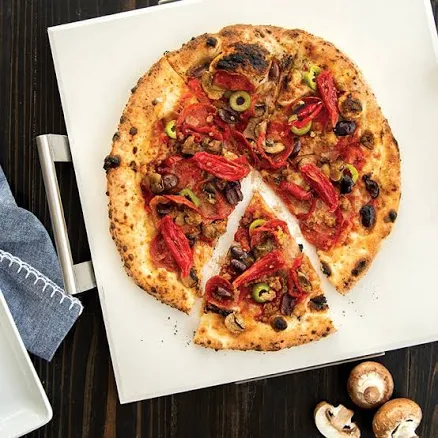
Deluxe Square Pizza Stone with Rack
- ceramic or unglazed stone; no nonstick coating
- The brand calls it PFAS-free, which we have not verified
- Ceramic or stone cracking and fragmentation
2 hazards checked on this product, all on its full breakdown.
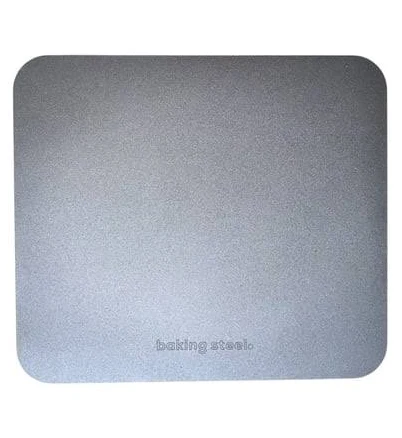
- carbon steel (bare metal, no coating)
- We found no PFAS statement from the brand
- Rust and corrosion
2 hazards checked on this product, all on its full breakdown.
Find an alternative on AmazonMore pizza stones & baking surfaces grades
How we score, every product runs through the same public 0-100 rubric based on materials, coatings, brand disclosure, lab findings, and recalls. See the full methodology → Spotted a mistake? Report an error.