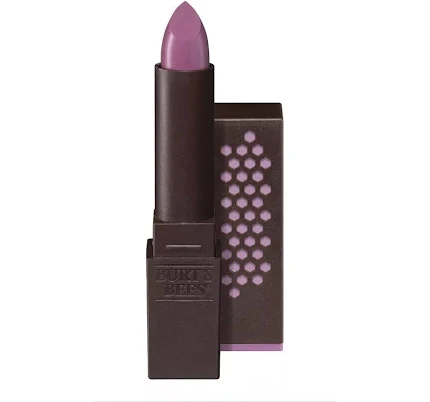
Burt's Bees · Lip Balm & Long-Wear Lipstick
BURT'S BEES LIPSTICK
Lower concern. Bare lipstick formula, no waterproofing or coatings flagged.
Burt's Bees lipstick uses natural waxes and oils without disclosed water-resistant treatments. No PFAS red flags identified, though brand does not specifically address PFAS.
We flunk more products than we pass. This one earned its grade. How we grade
Material
wax, oils, pigments, natural base
Lab data
No public lab test
You may also be interested in
Top-graded picks in the categories readers replace first, every one scored on the same rubric.

- polypropylene filter housing, carbon/sediment cartridge
- We found no PFAS statement from the brand
- Bacterial growth in spent cartridges
3 hazards checked on this product, all on its full breakdown.

Aquasure
Premier Series 75 GPD Under Sink Reverse Osmosis Water Filtration System
- RO membrane, carbon filters, stainless steel housing
- We found no PFAS statement from the brand
- Bacterial and microbial growth in housing and filters
4 hazards checked on this product, all on its full breakdown.

Avocado
Vegan Mattress
- organic cotton, natural latex, coconut coir, recycled steel coils
- The brand calls it PFAS-free, which we have not verified
- Heavy metals
2 hazards checked on this product, all on its full breakdown.
What BURT'S BEES LIPSTICK is made of, ingredients and materials
Burt's Bees lipsticks use beeswax, plant oils (often jojoba or castor), and iron oxides or carmine for color rather than synthetic dyes or heavy pigments. This formulation avoids many synthetic cosmetic additives that require preservatives or chemical stabilizers. Wax and oil bases are occlusive (they sit on the lip surface) rather than absorptive, so systemic exposure to formula components is lower than with leave-on skincare products.
What’s concerning
Category baseline
The starting point for this type of product, before anything specific to this product is counted.
No PFAS disclosure
No public statement from the brand about PFAS in this product.
Fragrance allergens
Burt's Bees lipsticks contain natural fragrance components (beeswax scent plus essential oils or extracts). While generally gentler than synthetic fragrance, essential oils can sensitize or irritate susceptible individuals; specific allergens depend on variant (e.g., mint, rose).
Oil rancidity and microbial growth
Plant oils (jojoba, castor) in the formula can oxidize or support microbial growth if stored in heat or humidity or after extended shelf life. This is a quality and safety issue only if product is visibly degraded or contaminated.
What’s reassuring
Base material not linked to PFAS
The main material recorded for this product is not one associated with PFAS.
Heavy metals
Iron oxides and carmine are approved colorants in cosmetics and carry low bioavailability; no documented contamination or lead/cadmium issues specific to Burt's Bees lipsticks in public records.
Source, FDA ↗Formaldehyde / VOCs
Burt's Bees does not disclose use of formaldehyde releasers (such as DMDM hydantoin) in published formulas; natural wax bases typically require minimal preservation, reducing this risk.
Source, ATSDR ↗Talc contamination
Burt's Bees does not list talc in standard lipstick formulas; the wax-oil base eliminates need for talc as a slip agent, so this hazard is not applicable.
How is this PFAS grade calculated?
The brand's record and disclosure
Burt's Bees publishes full ingredient lists and has maintained a "natural" product positioning since its founding; the brand is owned by Clorox but retains ingredient transparency practices. No recalls or regulatory actions specific to lipstick formulations have been widely documented. The brand does not make PFAS-free claims, but the natural-wax formula does not inherently require water-repellent coatings that would introduce PFAS.
How it compares in its category
Burt's Bees lipsticks sit in the mid-transparency tier, simpler formulas than mass-market brands (which often use synthetic colorants and film-formers) but less clinical than dermatologist-formulated lip balms. Compared to conventional lipsticks, the wax-dominant formula reduces reliance on preservatives and synthetic fragrance, though does not eliminate fragrance compounds entirely. The trade-off is less color payoff and longevity than high-pigment formulas.
If you buy it
Store in a cool place to prevent wax softening or bloom. Replace every 12-18 months if stored at room temperature to minimize rancidity risk in the oil fraction. Do not use if the formula separates (oil pooling at the base), as this signals degradation. The natural fragrance (often beeswax notes plus essential oils) is generally non-irritating but patch-test on inner lip first if you have fragrance sensitivity.
What is not known about PFAS in this product?
- Basis
- Model estimate, 72% confidence, not a lab result
- Lab test
- None on record for this exact product
- Brand statement
- Burt's Bees has made a specific claim
Formulations change between production runs, so check the current label. How we grade.
More lip balm & long-wear lipstick grades
How we score, every product runs through the same public 0-100 rubric based on materials, coatings, brand disclosure, lab findings, and recalls. See the full methodology → Spotted a mistake? Report an error.