Calphalon · Non-Stick Kitchen Gadgets
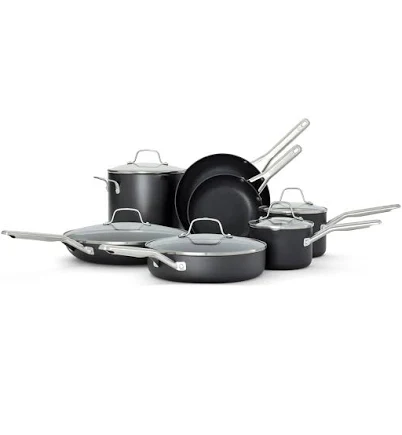
Calphalon Hard Anodized Aluminum Nonstick Cookware Set 12pc
Nonstick coating type unknown. PFAS risk transparency missing.
Calphalon does not specify the coating on this hard-anodized non-stick cookware, so its composition cannot be verified.
The better-graded swap
Our Place
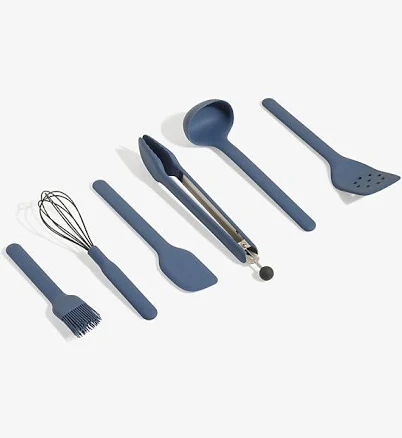
Our Place Utensil Essentials 6-Piece Silicone Utensil Set
90/100 safety
Same rubric that flunked this product. The swap earned Excellent.
Still want this one anyway? Check the price on Amazon. We’d swap it.
Material
hard-anodized aluminum with proprietary nonstick coating
Lab data
No public lab test
Is Calphalon Hard Anodized Aluminum Nonstick non-toxic? What it is made of
Calphalon's hard-anodized aluminum cookware has a sealed oxide layer that hardens the base metal, then adds a proprietary nonstick topcoat. Hard anodization is more durable than standard anodizing and resists some of the aluminum leaching risk typical of bare aluminum. However, the nonstick coating composition is not publicly disclosed, leaving uncertainty about fluorinated versus fluorine-free chemistry and fume risk above manufacturer heat thresholds.
What’s concerning
Category baseline
The starting point for this type of product, before anything specific to this product is counted.
No PFAS disclosure
No public statement from the brand about PFAS in this product.
Non-stick, chemistry undisclosed
Marketed as non-stick without stating the coating chemistry.
Nonstick coating fume risk (fluorinated polymer degradation)
Calphalon does not disclose whether the coating is Teflon-type coating-based or uses newer alternatives. Heating above manufacturer thresholds or exposing empty pan to flame can release volatile degradation products; risk is low under normal use but present if overheated or damaged.
Coating degradation and microparticle shedding
Nonstick coatings naturally degrade over time with use and washing. Once coating integrity is compromised, shed particles may enter food; replacement within 1-2 years of heavy use is standard industry guidance for all nonstick cookware.
What’s reassuring
Aluminum leaching
Hard anodization creates a sealed barrier that significantly reduces migration of aluminum into food. No established leaching risk documented for hard-anodized cookware under normal cooking conditions; anodized surface is the primary protective factor.
Lead
Hard-anodized aluminum does not use ceramic glaze or traditional enamel finishes. This hazard class is not applicable to this material type; risk is minimal compared to glazed ceramic cookware.
Source, ATSDR ↗The full breakdown
The brand's record and disclosure
Calphalon (owned by Groupe SEB) has not publicly committed to PFAS-free nonstick formulations or provided third-party verification of coating chemistry. The brand recommends specific heat limits and advises against preheating empty pans, a standard caution for nonstick cookware but a sign they acknowledge fume risk. No major recalls specifically tied to this hard-anodized line have been reported in consumer safety databases, though nonstick degradation complaints are typical across the category.
How it compares in its category
Hard-anodized aluminum with nonstick is a mid-range category standard, cheaper than stainless steel and lower concern than bare aluminum in terms of leaching, but more vulnerable to coating failure than ceramic or cast iron alternatives. Calphalon's hard-anodized sets are comparable to T-fal and Anolon in material and transparency; all three avoid explicit PFAS disclosure. Ceramic and cast-iron cookware eliminate nonstick coating hazards entirely but trade nonstick convenience for durability.
If you buy it
Never preheat empty; always add liquid or oil before heating. Keep below 400°F (204°C) to avoid potential fume release from the undisclosed coating; use medium to medium-high heat for most cooking. Inspect pans regularly for scratches, peeling, or discoloration; replace any pan with visible coating damage within 1-2 years. Hand wash or use the gentlest dishwasher cycle to extend coating life; avoid metal utensils and abrasive scrubbers.
What we don’t know
- Basis
- Model estimate, 45% confidence, not a lab result
- Lab test
- None on record for this exact product
- Brand statement
- Calphalon has made a specific claim
Formulations change between production runs, so check the current label. How we grade.
Better-graded alternatives in Non-Stick Kitchen Gadgets
Our Place
Utensil Essentials 6-Piece Silicone Utensil Set
- Silicone utensils, no coating
- The brand calls it PFAS-free, which we have not verified
- Microplastic generation
2 hazards checked on this product. See all of them.
Our Place
Essential Utensil Set
- Stainless steel utensils
- The brand calls it PFAS-free, which we have not verified
- Nickel leaching from stainless steel
2 hazards checked on this product. See all of them.
Our Place
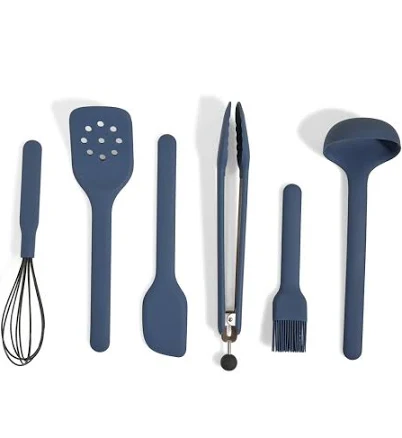
Utensil Essentials Set
- Stainless steel utensils, material unclear
- The brand calls it PFAS-free, which we have not verified
- Handle material degradation (if present)
2 hazards checked on this product. See all of them.
More non-stick kitchen gadgets grades
How we score, every product runs through the same public 0-100 rubric based on materials, coatings, brand disclosure, lab findings, and recalls. See the full methodology → Spotted a mistake? Report an error.