Cuisinart · Non-Stick Kitchen Gadgets
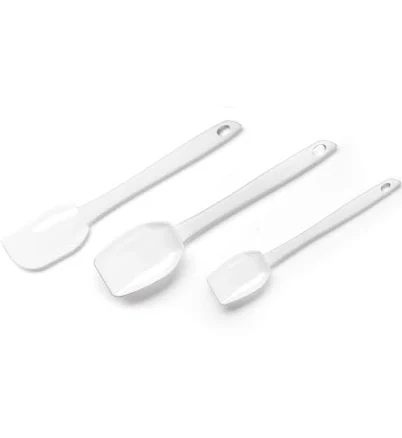
Cuisinart Silicone Spatulas (Set of 3)
Lower concern. Silicone is not a material linked to PFAS.
The spatulas are made of silicone, a material not linked to PFAS. No coating or water-repellent finish is listed on the product record. Cuisinart has no PFAS statement on record.
The better-graded swap
Our Place
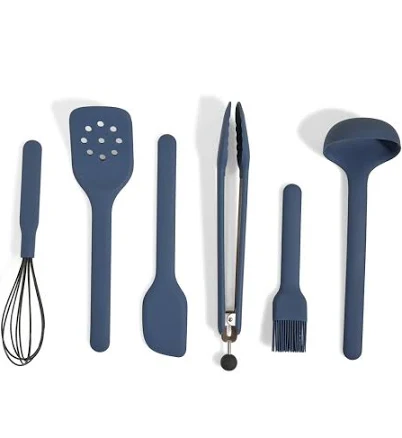
Our Place Utensil Essentials Set
90/100 safety
Same rubric that flunked this product. The swap earned Excellent.
Still want this one anyway? Check the price on Amazon. We’d swap it.
Material
silicone
Lab data
No public lab test
Is Cuisinart Silicone Spatulas (Set of 3) non-toxic? What it is made of
Silicone is a synthetic polymer made from silicon and oxygen, chemically inert at typical cooking temperatures. Unlike rubber or plastic, food-grade silicone does not contain BPA, phthalates, or plasticizers that migrate into food. Cuisinart's silicone spatulas are marketed as food-grade, meaning they meet FDA compliance for direct food contact. The material's stability means degradation and leaching are not significant concerns under normal kitchen conditions.
What’s concerning
Category baseline
The starting point for this type of product, before anything specific to this product is counted.
No PFAS disclosure
No public statement from the brand about PFAS in this product.
Silicone polymer degradation and microparticle shedding
At temperatures exceeding the product's rated limit or with repeated mechanical stress, silicone can degrade and potentially shed microscopic particles into food; however, this is not documented as a widespread issue with kitchen-grade silicone utensils under normal use.
Heat stability and off-gassing at extreme temperatures
Silicone is generally stable, but very high prolonged temperatures (above 600°F) could theoretically trigger minor volatile emissions; this is unlikely in typical stovetop or oven use but cannot be ruled out without manufacturer testing data.
Mold or bacterial growth in crevices
If spatulas are not dried thoroughly after washing or stored in damp conditions, silicone's surface texture can harbor microbial growth; this is a maintenance issue, not a material flaw, and is easily preventable.
What’s reassuring
Base material not linked to PFAS
The main material recorded for this product is not one associated with PFAS.
Impurities or additives in food-grade silicone
Reputable food-grade silicone should contain minimal additives, but Cuisinart does not publish test reports confirming the absence of residual oligomers or manufacturing byproducts; no recall history suggests this is not a practical concern.
Colorant or pigment leaching
If Cuisinart uses pigments or dyes to color the spatulas, no public data confirms the absence of heavy metals (cadmium, lead) in colorants; industry standards suggest this risk is very low for reputable brands, but not independently verified here.
The full breakdown
The brand's record and disclosure
Cuisinart does not publicly disclose detailed material sourcing or third-party certifications (NSF, BPA-free labeling) for this specific product line, though the brand has an established reputation in cookware. No major recalls or safety incidents involving Cuisinart silicone utensils have been documented in public records. The brand's parent company (Conair Corporation) maintains general FDA compliance but does not transparently communicate PFAS or heavy metal testing for kitchen tools.
How it compares in its category
Silicone spatulas are considered a lower concern alternative to traditional nylon or plastic utensils because silicone does not degrade or shed microplastics into food at normal cooking temperatures. Unlike metal or ceramic tools, they pose no risk of scratching non-stick cookware coatings. They are comparable to or present lower concern than competitor brands (OXO, Rubbermaid silicone lines) which similarly lack transparent third-party certifications but carry no known safety issues.
If you buy it
Use these spatulas up to their rated heat limit (typically 400-600°F depending on grade); confirm the product label for the specific maximum. Do not expose to direct flame or extremely high sustained temperatures, which could accelerate minor polymer breakdown. Wash regularly with mild soap and water; inspect annually for visible cracks, discoloration, or texture changes, replacing if found. Store in a cool, dry place away from direct sunlight to minimize slow oxidative degradation.
What we don’t know
- Basis
- Model estimate, 82% confidence, not a lab result
- Lab test
- None on record for this exact product
- Brand statement
- Cuisinart has made a specific claim
Formulations change between production runs, so check the current label. How we grade.
Better-graded alternatives in Non-Stick Kitchen Gadgets
Our Place
Utensil Essentials 6-Piece Silicone Utensil Set
- Silicone utensils, no coating
- The brand calls it PFAS-free, which we have not verified
- Microplastic generation
2 hazards checked on this product. See all of them.
Our Place
Essential Utensil Set
- Stainless steel utensils
- The brand calls it PFAS-free, which we have not verified
- Nickel leaching from stainless steel
2 hazards checked on this product. See all of them.
Our Place
Utensil Essentials Set
- Stainless steel utensils, material unclear
- The brand calls it PFAS-free, which we have not verified
- Handle material degradation (if present)
2 hazards checked on this product. See all of them.
More non-stick kitchen gadgets grades
How we score, every product runs through the same public 0-100 rubric based on materials, coatings, brand disclosure, lab findings, and recalls. See the full methodology → Spotted a mistake? Report an error.