Calphalon · Non-Stick Kitchen Gadgets
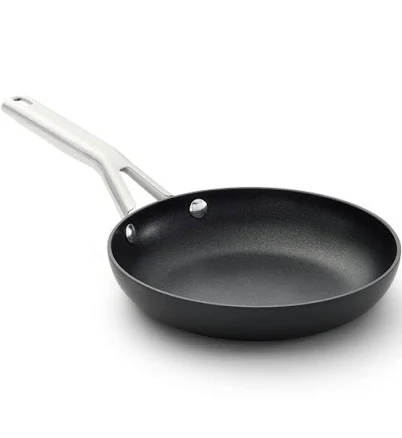
Calphalon Hard-Anodized Nonstick Frying Pan
Teflon-type coating nonstick cookware; Calphalon does not disclose PFAS composition.
Calphalon hard-anodized nonstick pans typically use Teflon-type coating coatings, a Teflon-family coating class commonly made with PFAS. The brand offers no public PFAS testing or commitment to PFAS-free options.
The better-graded swap
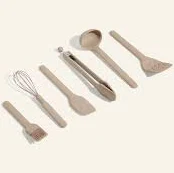
Our Place
Our Place Essential Utensil Set
90/100 safety
Same rubric that flunked this product. The swap earned Excellent.
Still want this one anyway? Check the price on Amazon. We’d swap it.
Material
hard-anodized aluminum with Teflon-type coating nonstick coating
Lab data
No public lab test
Is Calphalon Hard-Anodized Nonstick Frying non-toxic? What it is made of
This pan uses hard-anodized aluminum as the base metal, which is aluminum that has been electrochemically treated to create a harder, more corrosion-resistant surface. Over this sits a Teflon-type coating (polytetrafluoroethylene) nonstick coating, the same synthetic polymer used in Teflon. Hard-anodized aluminum itself does not readily leach into food at normal cooking temperatures, unlike bare aluminum. However, the Teflon-type coating layer is the concern, at high heat, Teflon-type coating can break down and release volatile organic compounds, including PFOA-related compounds, which are part of the PFAS family.
What’s concerning
Category baseline
The starting point for this type of product, before anything specific to this product is counted.
No PFAS disclosure
No public statement from the brand about PFAS in this product.
PTFE / Teflon confirmed
Uses Teflon-type coating (Teflon), a Teflon-family coating in the PFAS family.
PFAS
At temperatures above 500F (260C), Teflon-type coating coatings can decompose and release volatile compounds including PFOA and related PFAS. Calphalon does not disclose whether its formulation uses legacy PFOA or newer replacements like GenX, both of which are PFAS compounds. Typical stovetop cooking remains below this threshold, but rapid preheating, broiling, or high-flame use can trigger breakdown.
Source, ATSDR ↗Coating peeling and microparticle ingestion
If the Teflon-type coating nonstick layer chips or flakes due to impact, improper cleaning, or age, ingestion of small polymer particles is possible. While Teflon-type coating itself is considered inert in the digestive system, the concern is the underlying coating degradation as an indicator of compromised pan integrity and potential PFAS exposure at boundaries.
Coating degradation over time and product lifespan
Teflon-type coating nonstick coatings naturally degrade with repeated heating cycles and mechanical wear. Calphalon markets durability but does not provide realistic replacement intervals or testing data on how long the nonstick performance and coating integrity persist. Most Teflon-type coating pans show visible wear after 3-5 years, signaling that replacement is prudent.
What’s reassuring
Aluminum leaching (base metal)
Hard-anodized aluminum is significantly more resistant to leaching than bare aluminum because the anodized layer acts as a barrier. No established recalls or safety alerts exist for Calphalon hard-anodized cookware regarding aluminum migration into food under normal cooking conditions.
Lead
Hard-anodized cookware does not rely on ceramic glazes or enamel coatings; it uses electrochemical treatment and Teflon-type coating. No credible reports of lead or cadmium contamination specific to Calphalon hard-anodized nonstick pans exist.
Source, ATSDR ↗The full breakdown
The brand's record and disclosure
Calphalon, owned by Groupe SEB, does not publicly disclose the PFAS composition or processing methods of its nonstick cookware. The brand has not faced major safety recalls specific to Teflon-type coating degradation in this product line, but the silence on PFAS formulation is notable given industry pressure. Calphalon markets its hard-anodized line as durable and long-lasting but does not certify compliance with stricter PFAS-free standards or provide third-party testing data on nonstick coatings.
How it compares in its category
Hard-anodized nonstick cookware sits in the mid-range for safety within cookware. It is more stable than traditional non-anodized aluminum pans and does not contain ceramic coatings that can chip and shed particles. However, it does not avoid Teflon-type coating-based coatings, unlike ceramic or stainless steel alternatives, which represent materials not linked to PFAS in the same way. The hard-anodized base is a genuine advantage for durability and leaching resistance compared to bare or soft-anodized aluminum competitors.
If you buy it
Never exceed medium-high heat; Teflon-type coating degradation accelerates above 500F (260C), a threshold easily crossed on high burners or in preheating. Inspect the nonstick surface regularly for chips, peeling, or discoloration; discard the pan if the coating visibly degrades. Hand wash only; dishwashers can accelerate coating breakdown. Replace the pan every 3-5 years of regular use, sooner if you notice coating wear, to minimize exposure to degraded Teflon-type coating particles.
What we don’t know
- Basis
- Model estimate, 72% confidence, not a lab result
- Lab test
- None on record for this exact product
- Brand statement
- Calphalon has made a specific claim
Formulations change between production runs, so check the current label. How we grade.
Better-graded alternatives in Non-Stick Kitchen Gadgets
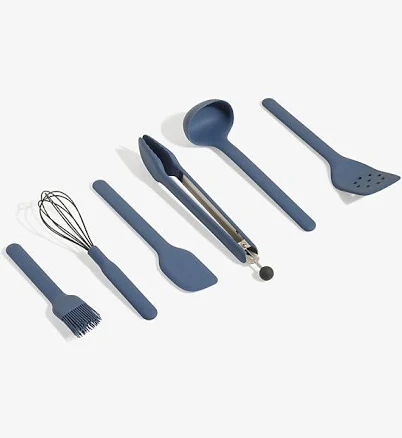
Our Place
Utensil Essentials 6-Piece Silicone Utensil Set
- Silicone utensils, no coating
- The brand calls it PFAS-free, which we have not verified
- Microplastic generation
2 hazards checked on this product. See all of them.
Our Place
Essential Utensil Set
- Stainless steel utensils
- The brand calls it PFAS-free, which we have not verified
- Nickel leaching from stainless steel
2 hazards checked on this product. See all of them.
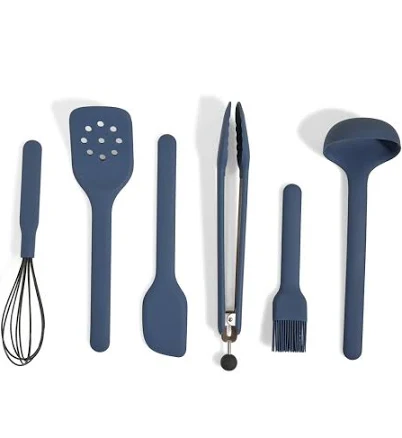
Our Place
Utensil Essentials Set
- Stainless steel utensils, material unclear
- The brand calls it PFAS-free, which we have not verified
- Handle material degradation (if present)
2 hazards checked on this product. See all of them.
More non-stick kitchen gadgets grades
How we score, every product runs through the same public 0-100 rubric based on materials, coatings, brand disclosure, lab findings, and recalls. See the full methodology → Spotted a mistake? Report an error.