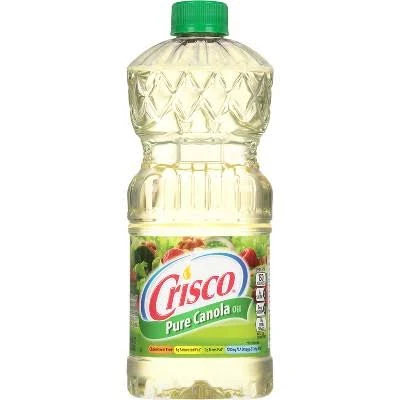
Canola Oil · Cast Iron Cookware Seasoning & Oil
Crisco Canola Oil
Oil product carries lower PFAS concern as liquid food.
Crisco Canola Oil is a liquid cooking oil, not coated cookware. Liquid oils don't typically contain PFAS treatment; primary risk would be processing contamination, not product design.
The better-graded swap
Crisbee
Stik Cast Iron Seasoning
85/100 safety
Same rubric that flunked this product. The swap earned Excellent.
Still want this one anyway? Check the price on Amazon. We’d swap it.
Material
Refined canola oil, liquid
Brand disclosure
Brand is silent on PFAS
Lab data
No public lab test
You may also be interested in
Top-graded picks in the categories readers replace first, every one scored on the same rubric.

- polypropylene filter housing, carbon/sediment cartridge
- We found no PFAS statement from the brand
- Bacterial growth in spent cartridges
3 hazards checked on this product, all on its full breakdown.

Aquasure
Premier Series 75 GPD Under Sink Reverse Osmosis Water Filtration System
- RO membrane, carbon filters, stainless steel housing
- We found no PFAS statement from the brand
- Bacterial and microbial growth in housing and filters
4 hazards checked on this product, all on its full breakdown.

Avocado
Vegan Mattress
- organic cotton, natural latex, coconut coir, recycled steel coils
- The brand calls it PFAS-free, which we have not verified
- Heavy metals
2 hazards checked on this product, all on its full breakdown.
What Crisco Canola Oil is made of, ingredients and materials
Crisco Canola Oil is refined canola oil derived from rapeseed. Refining removes most plant proteins, allergens, and impurities, making it chemically stable for cooking. The oil is composed primarily of triglycerides with a favorable fatty acid profile (low saturated fat, high oleic acid). No coating, ceramic, or non-stick surface means the hazards typical of cookware (lead, Teflon-type coating, aluminum leaching) do not apply here.
What’s concerning
No PFAS disclosure
No public statement from the brand about PFAS in this product.
Category baseline
The starting point for this type of product, before anything specific to this product is counted.
Oxidative degradation and rancidity
Refined canola oil is susceptible to oxidation over time and with heat exposure. Rancid oil can produce off-flavors and low-level oxidative compounds, though acute toxicity from home use is minimal. Store tightly sealed away from light.
Acrolein formation at high heat
Heating canola oil beyond its smoke point (around 400F) breaks down glycerol into acrolein, an airborne irritant. This is a concern only if oil is overheated or burned visibly; normal cooking does not trigger this.
What’s reassuring
Base material not linked to PFAS
The main material recorded for this product is not one associated with PFAS.
Pesticide residue
Canola is a conventionally grown crop in many regions. No specific recalls or elevated residue findings for Crisco Canola Oil have been documented, and refining further removes polar contaminants.
Source, EPA ↗Allergen cross-contact
Refined canola oil is not a material linked to mustard and sesame allergens common to some seed oils. No documented allergen issues with Crisco brand canola oil.
Heavy metals
Oils do not bioaccumulate heavy metals the way some crops do. No recalls or testing data indicate lead, cadmium, or arsenic in Crisco Canola Oil above background levels.
Source, FDA ↗How is this PFAS grade calculated?
The brand's record and disclosure
Crisco (owned by Conagra Brands) is a long-established cooking oil brand with no significant food safety recalls specific to canola oil contamination or undisclosed additives in recent decades. The brand does not publicly disclose PFAS testing or stance on intentional PFAS use in its oils. Transparency on source and processing is standard for the category but not exceptional.
How it compares in its category
Refined canola oil shows lower concern for contamination compared to many other cooking oils. It occupies the middle ground, cheaper than specialty oils (avocado, walnut) but chemically equivalent in safety to generic store-brand canola oils. Smoke point (around 400F) is higher than olive oil but lower than refined seed oils, limiting degradation risk during normal cooking.
If you buy it
Store in a cool, dark place away from light and heat to prevent oxidation and rancidity. Canola oil degrades faster than saturated oils and should be replaced every 12-18 months after opening. Do not heat beyond 400F (smoking point) as this accelerates degradation and may produce acrolein (an irritant). No special maintenance required; standard food storage protocols apply.
What is not known about PFAS in this product?
- Basis
- Model estimate, 92% confidence, not a lab result
- Lab test
- None on record for this exact product
- Brand statement
- Canola Oil has made none
Formulations change between production runs, so check the current label. How we grade.
What are the PFAS-free alternatives to Crisco Canola Oil?
- Organic waxes and oils blend
- We found no PFAS statement from the brand
- Oil rancidity and off-gassing
2 hazards checked on this product, all on its full breakdown.
- mineral oil and soy-based oil blend
- Aerosol inhalation (mineral oil mist)
3 hazards checked on this product, all on its full breakdown.
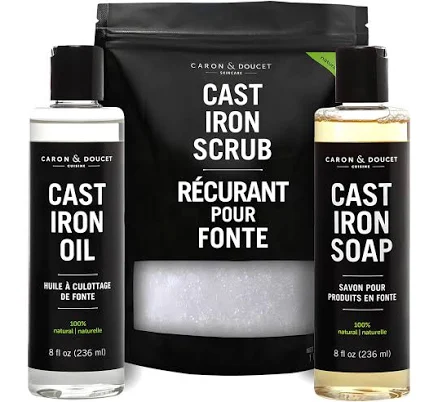
Cast Iron Ultimate Bundle
- cast iron, bare or seasoned with the brand
- We found no PFAS statement from the brand
- Iron leaching into food
2 hazards checked on this product, all on its full breakdown.
More cast iron cookware seasoning & oil grades
How we score, every product runs through the same public 0-100 rubric based on materials, coatings, brand disclosure, lab findings, and recalls. See the full methodology → Spotted a mistake? Report an error.