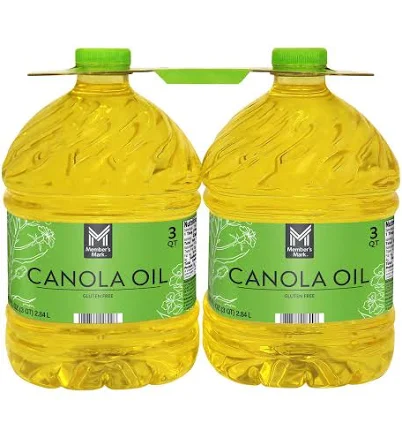
Canola Oil · Cast Iron Cookware Seasoning & Oil
Member's Mark Canola Oil, 192 fl. oz.
Edible oil has minimal PFAS risk.
Member's Mark Canola Oil is a refined vegetable oil with no coating, treatment, or packaging layer known to contain PFAS. Standard food oils pose negligible PFAS exposure risk.
The better-graded swap
Lodge
Cast Iron Seasoning Spray
85/100 safety
Same rubric that flunked this product. The swap earned Excellent.
Still want this one anyway? Check the price on Amazon. We’d swap it.
Material
Refined canola oil, liquid
Brand disclosure
Brand is silent on PFAS
Lab data
No public lab test
You may also be interested in
Top-graded picks in the categories readers replace first, every one scored on the same rubric.

- polypropylene filter housing, carbon/sediment cartridge
- We found no PFAS statement from the brand
- Bacterial growth in spent cartridges
3 hazards checked on this product, all on its full breakdown.

Aquasure
Premier Series 75 GPD Under Sink Reverse Osmosis Water Filtration System
- RO membrane, carbon filters, stainless steel housing
- We found no PFAS statement from the brand
- Bacterial and microbial growth in housing and filters
4 hazards checked on this product, all on its full breakdown.

Avocado
Vegan Mattress
- organic cotton, natural latex, coconut coir, recycled steel coils
- The brand calls it PFAS-free, which we have not verified
- Heavy metals
2 hazards checked on this product, all on its full breakdown.
What Member's Mark Canola Oil, 192 fl. oz. is made of, ingredients and materials
Member's Mark Canola Oil is refined canola oil, a liquid fat extracted from rapeseed and processed to remove impurities, free fatty acids, and odors. Refining removes most plant-derived contaminants and reduces oxidative instability. As a liquid oil stored in opaque plastic or glass, it does not involve ceramic glazes, enamel coatings, or Teflon-type coating cookware surfaces that are typical sources of leaching hazards in this product category.
What’s concerning
No PFAS disclosure
No public statement from the brand about PFAS in this product.
Category baseline
The starting point for this type of product, before anything specific to this product is counted.
Oxidative degradation and rancidity
Liquid oils exposed to heat, light, or air over time develop peroxide compounds and off-flavors. This is a palatability and nutritional quality issue, not an acute toxicity hazard, but degraded oil may produce mildly irritating compounds when heated to high temperatures.
Thermal decomposition and acrolein formation at very high heat
Like all plant oils, canola oil can degrade at very high temperatures (above 450-500 degrees F), producing acrolein and other volatile compounds. This is relevant only if oil is reused in deep frying or exposed to prolonged overheating, and is not unique to this brand.
What’s reassuring
Base material not linked to PFAS
The main material recorded for this product is not one associated with PFAS.
Container leaching (plastic or glass)
Member's Mark canola oil is typically sold in opaque plastic (PET or HDPE) or glass. No established reports of BPA, BPS, or phthalate migration from food-grade plastic into refined oil at ambient storage temperatures; oil is a non-polar solvent that does not readily dissolve or extract plasticizers under normal conditions.
Pesticide residue
Refining removes most pesticide residues and processing solvents (typically hexane, which is evaporated). No known recalls or contamination alerts for Member's Mark canola oil on this basis; commodity refining standards are consistent across US suppliers.
Source, EPA ↗Allergen or GMO labeling accuracy
Most US canola is genetically modified. Member's Mark does not market this product as non-GMO, and no labeling violations have been reported. Canola oil itself is a refined product containing no canola plant protein, so GMO status is nutritionally and allergenically inert.
How is this PFAS grade calculated?
The brand's record and disclosure
Member's Mark is Sam's Club's private label; Sam's Club and the parent company Walmart do not publish detailed toxicology or contamination testing for individual oils. No major recalls or safety controversies specific to Member's Mark canola oil are documented in public databases. The brand does not actively advertise third-party certifications (e.g., non-GMO, organic) on most bulk canola oil products, reflecting a commodity positioning rather than premium safety marketing.
How it compares in its category
Refined canola oil is a commodity product; safety profiles across mainstream brands (Crisco, Wesson, store brands) are broadly similar because refining standards are consistent and regulated by FDA food-safety rules. Bulk sizes like 192 fl. oz. are favored by consumers seeking cost savings; no evidence suggests larger pack sizes carry different contamination risk than smaller ones. Cold-pressed or unrefined canola oils carry slightly higher residue risk but remain minor relative to other food safety concerns.
If you buy it
Store in a cool, dark place (heat and light accelerate oxidation and rancidity). Keep the container sealed to minimize air exposure. Check the expiration date; canola oil typically remains stable for 1-2 years unopened. Once opened, consume within 6-12 months and watch for rancid smell or taste (sign of oxidation, not toxicity, but unpleasant). Use for cooking up to approximately 400-450 degrees F; above this range, canola oil begins to degrade and produce off-flavors.
What is not known about PFAS in this product?
- Basis
- Model estimate, 92% confidence, not a lab result
- Lab test
- None on record for this exact product
- Brand statement
- Canola Oil has made none
Formulations change between production runs, so check the current label. How we grade.
What are the PFAS-free alternatives to Member's Mark Canola Oil, 192 fl. oz.?
- Organic waxes and oils blend
- We found no PFAS statement from the brand
- Oil rancidity and off-gassing
2 hazards checked on this product, all on its full breakdown.
- mineral oil and soy-based oil blend
- Aerosol inhalation (mineral oil mist)
3 hazards checked on this product, all on its full breakdown.
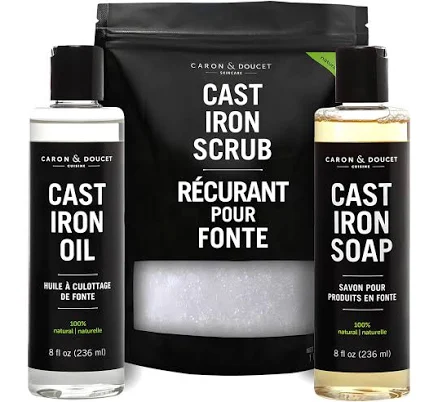
Cast Iron Ultimate Bundle
- cast iron, bare or seasoned with the brand
- We found no PFAS statement from the brand
- Iron leaching into food
2 hazards checked on this product, all on its full breakdown.
More cast iron cookware seasoning & oil grades
How we score, every product runs through the same public 0-100 rubric based on materials, coatings, brand disclosure, lab findings, and recalls. See the full methodology → Spotted a mistake? Report an error.