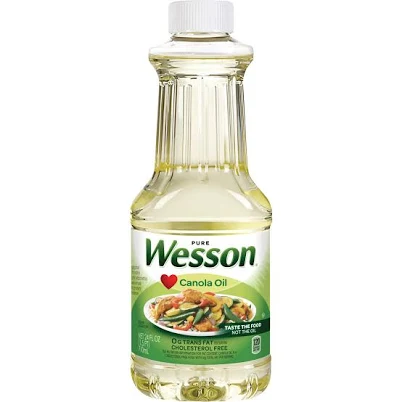
Canola Oil · Cast Iron Cookware Seasoning & Oil
Wesson Canola Oil
Lower concern; liquid oil product, not cookware.
Refined canola oil is a liquid cooking oil not cookware or a coated product. Unprocessed vegetable oils have a lower PFAS risk profile.
The better-graded swap
Crisbee
Stik Cast Iron Seasoning
85/100 safety
Same rubric that flunked this product. The swap earned Excellent.
Still want this one anyway? Check the price on Amazon. We’d swap it.
Material
Refined canola oil, liquid
Brand disclosure
Brand is silent on PFAS
Lab data
No public lab test
You may also be interested in
Top-graded picks in the categories readers replace first, every one scored on the same rubric.

- polypropylene filter housing, carbon/sediment cartridge
- We found no PFAS statement from the brand
- Bacterial growth in spent cartridges
3 hazards checked on this product, all on its full breakdown.

Aquasure
Premier Series 75 GPD Under Sink Reverse Osmosis Water Filtration System
- RO membrane, carbon filters, stainless steel housing
- We found no PFAS statement from the brand
- Bacterial and microbial growth in housing and filters
4 hazards checked on this product, all on its full breakdown.

Avocado
Vegan Mattress
- organic cotton, natural latex, coconut coir, recycled steel coils
- The brand calls it PFAS-free, which we have not verified
- Heavy metals
2 hazards checked on this product, all on its full breakdown.
What Wesson Canola Oil is made of, ingredients and materials
Wesson Canola Oil is refined canola oil derived from canola seeds through mechanical pressing and chemical extraction, then bleached, deodorized, and sometimes winterized to improve clarity. Refined oils undergo high-temperature processing that removes most plant contaminants and allergens, making them chemically stable for high-heat cooking. The final product is a liquid at room temperature with a neutral flavor profile, suitable for frying, baking, and salad dressings. Unlike unrefined oils, refined canola undergoes quality control filtering that reduces residual pesticides and heavy metals to levels below regulatory thresholds.
What’s concerning
No PFAS disclosure
No public statement from the brand about PFAS in this product.
Category baseline
The starting point for this type of product, before anything specific to this product is counted.
Oxidation and rancidity on storage
Refined canola oil oxidizes over time when exposed to heat, light, or air, producing aldehydes and peroxides that degrade flavor and may cause mild gastrointestinal irritation if consumed in large amounts. This is not a manufacturing defect but a normal property of liquid oils and is managed by proper storage. Consumer storage practices (pantry vs. kitchen counter near heat) directly affect shelf
Trans fats from processing
Some refined canola oils may contain trace trans fats (under 0.5 percent per serving) created during high-temperature refinement or hydrogenation if the product is partially hydrogenated; check the nutrition label for hydrogenation status. Wesson Canola Oil is typically not hydrogenated, meaning trans fat content should be negligible or absent. The FDA requires trans fat labeling, so this hazard i
What’s reassuring
Base material not linked to PFAS
The main material recorded for this product is not one associated with PFAS.
Pesticide residue
Refined canola oil undergoes solvent extraction and high-temperature processing that removes most pesticide residues from the seed source. No documented recalls or testing results showing pesticide contamination in Wesson Canola Oil are on record. Regulatory testing by the FDA and USDA typically shows refined oils below detectable limits for common agricultural pesticides.
Source, EPA ↗Heavy metals
Canola crops do not accumulate heavy metals like lead or cadmium at levels that pose consumer risk, and the refining process further reduces any trace metals. No specific testing data for Wesson has been published, but refined canola oil is not a known vector for heavy metal exposure compared to other food commodities.
Source, FDA ↗Allergen cross-contamination in shared facilities
Refined canola oil itself is not a common allergen, but manufacturing facilities may process tree nuts, peanuts, or seeds. Wesson does not appear to carry prominent allergen warnings on standard product labels for most facilities, though shared-equipment processing should be verified on the package if you have severe seed or nut allergies.
How is this PFAS grade calculated?
The brand's record and disclosure
Wesson is owned by ConAgra and has a long retail history as a mainstream cooking oil brand. The company does not prominently publicize specific third-party testing or safety certifications on the product label or website, though it complies with FDA food safety requirements. No major recalls or contamination incidents specific to Wesson Canola Oil have been documented in recent regulatory records. The brand does not appear to make detailed transparency statements about processing additives or pesticide residue testing.
How it compares in its category
Refined canola oil is one of the most commonly used cooking oils in North America and sits in the mainstream safety tier for food oils. It is chemically similar to refined soybean, vegetable, and corn oils in processing and stability; all undergo comparable refining that removes contaminants. Compared to unrefined or cold-pressed oils, refined canola has lower residual allergen and pesticide risk due to processing intensity. Wesson's pricing and availability position it as a conventional choice with no known safety disadvantage versus store-brand or specialty refined canola products.
If you buy it
Store Wesson Canola Oil in a cool, dark place away from direct heat and light to prevent oxidation and rancidity, which can develop after 1-2 years of opened storage. Use it for cooking up to approximately 450 degrees Fahrenheit (its smoke point); do not reuse oil multiple times for deep frying, as repeated heating degrades quality. Keep the bottle sealed and discard if the oil develops a rancid or off odor, which signals chemical breakdown. No special handling or maintenance is required beyond standard pantry storage; do not refrigerate unless winterization has been reversed.
What is not known about PFAS in this product?
- Basis
- Model estimate, 92% confidence, not a lab result
- Lab test
- None on record for this exact product
- Brand statement
- Canola Oil has made none
Formulations change between production runs, so check the current label. How we grade.
What are the PFAS-free alternatives to Wesson Canola Oil?
- Organic waxes and oils blend
- We found no PFAS statement from the brand
- Oil rancidity and off-gassing
2 hazards checked on this product, all on its full breakdown.
- mineral oil and soy-based oil blend
- Aerosol inhalation (mineral oil mist)
3 hazards checked on this product, all on its full breakdown.
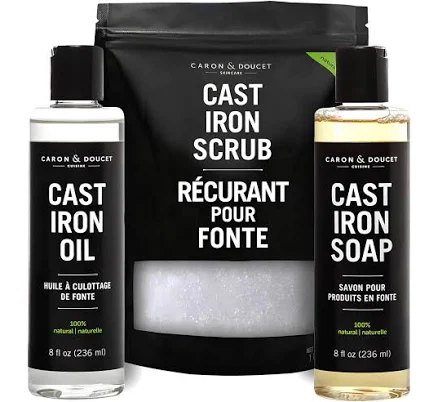
Cast Iron Ultimate Bundle
- cast iron, bare or seasoned with the brand
- We found no PFAS statement from the brand
- Iron leaching into food
2 hazards checked on this product, all on its full breakdown.
More cast iron cookware seasoning & oil grades
How we score, every product runs through the same public 0-100 rubric based on materials, coatings, brand disclosure, lab findings, and recalls. See the full methodology → Spotted a mistake? Report an error.