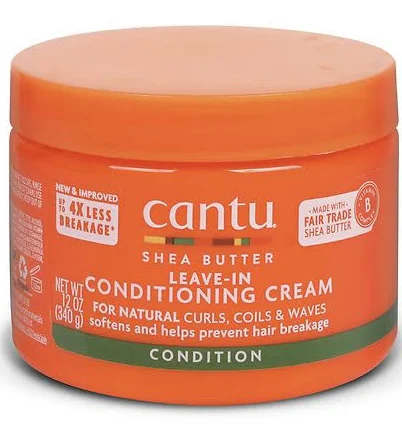
Cantu Natural Shea Butter Leave In Conditioning Cream
Low-medium risk. Leave-in cream with no typical PFAS application or disclosed treatment.
This leave-in conditioner contains water, shea butter, emulsifiers, and glycerin without water resistance or stain-resistance coatings. No public lab data or recalls exist.
We flunk more products than we pass. This one earned its grade. How we grade
Material
Water, shea butter, emulsifiers, glycerin, preservatives (typical leave-in conditioner base)
Brand disclosure
Brand is silent on PFAS
Lab data
No public lab test
You may also be interested in
Top-graded picks in the categories readers replace first, every one scored on the same rubric.

- polypropylene filter housing, carbon/sediment cartridge
- We found no PFAS statement from the brand
- Bacterial growth in spent cartridges
3 hazards checked on this product, all on its full breakdown.

Aquasure
Premier Series 75 GPD Under Sink Reverse Osmosis Water Filtration System
- RO membrane, carbon filters, stainless steel housing
- We found no PFAS statement from the brand
- Bacterial and microbial growth in housing and filters
4 hazards checked on this product, all on its full breakdown.

Avocado
Vegan Mattress
- organic cotton, natural latex, coconut coir, recycled steel coils
- The brand calls it PFAS-free, which we have not verified
- Heavy metals
2 hazards checked on this product, all on its full breakdown.
What Cantu Natural Shea Butter Leave Cream is made of, ingredients and materials
Cantu's Leave-In Conditioning Cream is a water-and-oil emulsion built around shea butter (occlusive humectant), glycerin (hydration), and standard cosmetic emulsifiers and preservatives. The formula contains no silicones, sulfates, or parabens according to labeling, which aligns with the brand's "natural" positioning. Leave-in conditioners sit on the scalp and hair without rinse-off, so preservative efficacy and absence of sensitizing agents matter more than in rinse-products.
What’s concerning
Category baseline
The starting point for this type of product, before anything specific to this product is counted.
No PFAS disclosure
No public statement from the brand about PFAS in this product.
Formaldehyde / VOCs
Leave-in conditioners commonly use imidazolidinyl urea or dmdm hydantoin to prevent microbial growth. Cantu's label does not specify preservative type; if present, these release small amounts of formaldehyde over shelf life. Risk is low in rinse-products but slightly higher in leave-on scalp contact.
Source, ATSDR ↗Fragrance allergens and undisclosed components
Cantu lists fragrance as an ingredient but does not itemize components (standard legal practice in the US). Individuals with contact dermatitis or fragrance sensitivity may react. No specific allergen recalls exist for this product, but scalp sensitivity is reported anecdotally in online reviews.
Lead
Extended storage, heat exposure, or contamination (damp bathroom, unwashed hands) can degrade emulsifier bonds and compromise preservative distribution, increasing bacterial or mold growth risk. User handling and storage conditions matter as much as formulation.
Source, ATSDR ↗What’s reassuring
Base material not linked to PFAS
The main material recorded for this product is not one associated with PFAS.
Microplastic contamination in emulsifiers or colorants
No microbeads or plastic microfibers are listed in the formula, and Cantu markets a natural product line without synthetic colorants. Risk is negligible for this product class and brand.
Heavy metals
Shea butter is a plant oil with low typical heavy-metal burden if sourced responsibly. Cantu does not disclose supplier testing, but no regulatory alerts or recalls for lead or cadmium in this product exist. Risk aligns with industry baseline.
Source, FDA ↗How is this PFAS grade calculated?
The brand's record and disclosure
Cantu (owned by Estee Lauder Companies) publishes full ingredient lists and markets toward textured and curly hair with a "clean beauty" brand narrative. The company does not publicly disclose PFAS testing or use, and no regulatory warnings or recalls specific to this product exist in FDA or consumer databases. The brand has faced no major contamination or mislabeling scandals; it operates under standard cosmetic manufacturing oversight.
How it compares in its category
This product sits in the mainstream natural-positioned segment, competing with SheaMoisture, Carol's Daughter, and store-label equivalents. It avoids synthetic fragrances and dyes that appear in some competing brands, and uses emulsifiers not typically linked to PFAS concerns (likely cetyl or cetearyl alcohol). Price and accessibility are advantages; preservative systems are conservative but unremarkable for the category.
If you buy it
Apply to damp hair in small amounts to avoid buildup; do not heat-style immediately if excess product is present, as emollients can trap moisture and cause frizz or temporary weighting. Store in a cool, dry place and discard if smell, color, or texture changes (signs of preservative failure, typically after 12-18 months). Perform a patch test on inner arm or behind ear first if you have sensitive scalp or known fragrance allergies.
What is not known about PFAS in this product?
- Basis
- Model estimate, 78% confidence, not a lab result
- Lab test
- None on record for this exact product
- Brand statement
- Cantu has made none
Formulations change between production runs, so check the current label. How we grade.
What are the PFAS-free alternatives to Cantu Natural Shea Butter Leave In Conditioning Cream?
- Water, conditioning agents, organic plant extracts
- We found no PFAS statement from the brand
- Heavy metals
3 hazards checked on this product, all on its full breakdown.
- water-based conditioner, typical surfactants and botanical extracts
- We found no PFAS statement from the brand
- Heavy metals
3 hazards checked on this product, all on its full breakdown.
More conditioner grades
How we score, every product runs through the same public 0-100 rubric based on materials, coatings, brand disclosure, lab findings, and recalls. See the full methodology → Spotted a mistake? Report an error.