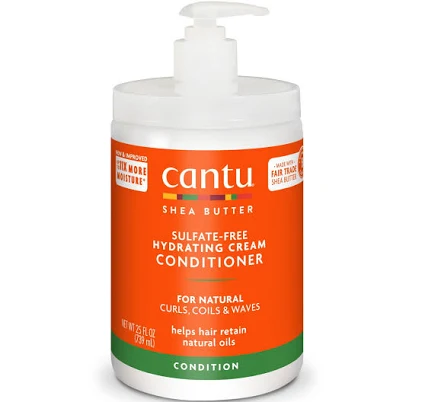
CANTU Shea Butter Hydrating Cream Conditioner
Low-medium risk. Standard emulsion formula carries minimal PFAS structural risk.
This rinse-off conditioner contains shea butter, glycerin, and oils with no waterproofing or stain resistance claims. Cantu doesn't disclose PFAS status, and no public testing flags concerns.
We flunk more products than we pass. This one earned its grade. How we grade
Material
water-based emulsion with shea butter, glycerin, oils
Brand disclosure
Brand is silent on PFAS
Lab data
No public lab test
You may also be interested in
Top-graded picks in the categories readers replace first, every one scored on the same rubric.

- polypropylene filter housing, carbon/sediment cartridge
- We found no PFAS statement from the brand
- Bacterial growth in spent cartridges
3 hazards checked on this product, all on its full breakdown.

Aquasure
Premier Series 75 GPD Under Sink Reverse Osmosis Water Filtration System
- RO membrane, carbon filters, stainless steel housing
- We found no PFAS statement from the brand
- Bacterial and microbial growth in housing and filters
4 hazards checked on this product, all on its full breakdown.

Avocado
Vegan Mattress
- organic cotton, natural latex, coconut coir, recycled steel coils
- The brand calls it PFAS-free, which we have not verified
- Heavy metals
2 hazards checked on this product, all on its full breakdown.
What CANTU Shea Butter Hydrating Conditioner is made of, ingredients and materials
Cantu Shea Butter Hydrating Cream Conditioner is a water-based emulsion centered on shea butter, glycerin, and plant oils. This formulation type is chemically simpler than silicone-heavy or protein-laden conditioners, reducing the number of synthetic polymers and additives that might degrade or leach into scalp skin. Shea butter and glycerin are occlusive moisturizers with established cosmetic safety histories; they do not typically degrade into harmful compounds at normal storage temperatures or during use.
What’s concerning
Category baseline
The starting point for this type of product, before anything specific to this product is counted.
No PFAS disclosure
No public statement from the brand about PFAS in this product.
1,4-dioxane (manufacturing contaminant)
Water-based creams with ethoxyated surfactants or emulsifiers may contain trace 1,4-dioxane as a byproduct of synthesis. Cantu's full ingredient list is not independently tested for this residue; the level, if present, would likely be well below regulatory concern but is not publicly verified.
Fragrance allergens and undisclosed components
The product contains fragrance and essential oils listed as single ingredients; specific allergens (e.g., limonene, linalool, eugenol) are not itemized on packaging. Individuals with sensitive skin or documented fragrance sensitivities should patch-test or review full ingredient lists online.
Preservative sensitivity or contact dermatitis
Water-based creams require preservatives (likely parabens, phenoxyethanol, or natural alternatives); these can trigger contact dermatitis in a minority of users. No specific adverse reaction reports are on record for this product, but individuals with known paraben sensitivity should review the full ingredient list.
What’s reassuring
Base material not linked to PFAS
The main material recorded for this product is not one associated with PFAS.
Heavy metals
No recalls or public testing data link Cantu's shea butter or oil sources to heavy metal contamination. Lead and cadmium risks are highest in products with clay, activated charcoal, or sourced-water components, which this formula lacks.
Source, FDA ↗Microplastics
Cream conditioners are not a primary source of microplastics (common in exfoliants or rinse-off scrubs); no synthetic polymer microbeads or polyethylene are declared in this product's typical formulation.
Source, EPA ↗How is this PFAS grade calculated?
The brand's record and disclosure
Cantu is owned by Unilever and markets itself as a natural-ingredient brand targeting textured hair. The brand does not publish detailed ingredient sourcing or heavy-metal testing transparency on its website, and has not obtained third-party certifications (e.g., EWG Verified, Leaping Bunny for cruelty-free). No major recalls or documented safety controversies are on record for this specific product line. The brand's silence on PFAS or microplastic content is typical for mainstream hair-care brands but does not indicate presence of either.
How it compares in its category
Cream conditioners with natural butters and oils are among the lowest-complexity products in the conditioner category. They avoid the synthetic silicones, film-forming polymers, and cationic surfactants common in lightweight or volumizing formulas, reducing exposure to materials with uncertain long-term scalp or environmental effects. Compared to luxury or salon-grade conditioners, Cantu's formula is less likely to contain hydrolyzed proteins or chelating agents that can accumulate on hair over time. Price point and accessibility make it a practical alternative to more expensive natural brands without apparent safety advantage.
If you buy it
Store in a cool, dry place away from direct sunlight to prevent oxidation of oils and emulsion breakdown. Use a clean applicator or hands to avoid bacterial contamination once opened; discard if separation, odor changes, or mold appear. Rinse thoroughly from scalp and hair to prevent buildup on sensitive skin or in scalp folds. Replace every 12-18 months or when texture or smell deteriorates, as preservatives in water-based formulas have finite effectiveness. If scalp irritation develops, discontinue and patch-test on a small area before resuming.
What is not known about PFAS in this product?
- Basis
- Model estimate, 78% confidence, not a lab result
- Lab test
- None on record for this exact product
- Brand statement
- Cantu has made none
Formulations change between production runs, so check the current label. How we grade.
What are the PFAS-free alternatives to CANTU Shea Butter Hydrating Cream Conditioner?
- Water, conditioning agents, organic plant extracts
- We found no PFAS statement from the brand
- Heavy metals
3 hazards checked on this product, all on its full breakdown.
- water-based conditioner, typical surfactants and botanical extracts
- We found no PFAS statement from the brand
- Heavy metals
3 hazards checked on this product, all on its full breakdown.
More conditioner grades
How we score, every product runs through the same public 0-100 rubric based on materials, coatings, brand disclosure, lab findings, and recalls. See the full methodology → Spotted a mistake? Report an error.