Carhartt · Scrubs & Work Uniforms
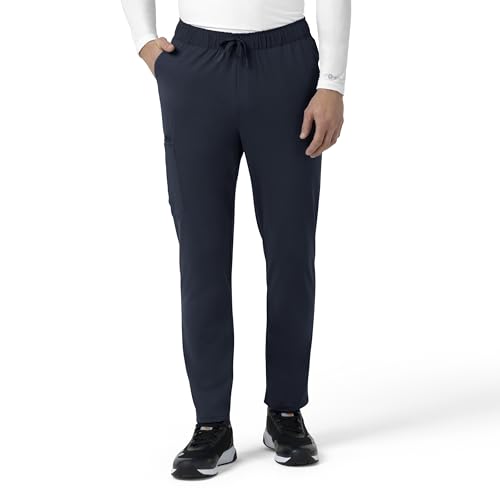
Carhartt Cross-Flex Knit Straight Leg Tapered Scrub Pant
Lower concern. Medical scrub fabric without disclosed treatments.
Carhartt does not disclose PFAS use or water-repellent coating treatment for this knit scrub pant. Standard polyester-cotton blend medical apparel typically poses lower PFAS risk without water-repellent finishes.
Still want this one anyway? Check the price on Amazon. We’d swap it.
Material
polyester/cotton blend knit, uncoated
Brand disclosure
Brand is silent on PFAS
Lab data
No public lab test
You may also be interested in
Top-graded picks in the categories readers replace first, every one scored on the same rubric.

- polypropylene filter housing, carbon/sediment cartridge
- We found no PFAS statement from the brand
- Bacterial growth in spent cartridges
3 hazards checked on this product, all on its full breakdown.

Aquasure
Premier Series 75 GPD Under Sink Reverse Osmosis Water Filtration System
- RO membrane, carbon filters, stainless steel housing
- We found no PFAS statement from the brand
- Bacterial and microbial growth in housing and filters
4 hazards checked on this product, all on its full breakdown.

Avocado
Vegan Mattress
- organic cotton, natural latex, coconut coir, recycled steel coils
- The brand calls it PFAS-free, which we have not verified
- Heavy metals
2 hazards checked on this product, all on its full breakdown.
What Carhartt Cross-Flex Knit Scrub Pant is made of, ingredients and materials
This pant is a polyester-cotton knit blend, uncoated. Polyester introduces potential antimony residue (a catalyst used in polyester synthesis) and synthetic dye chemistry; cotton mitigates some polymer concerns but adds pesticide/dye history unless organically grown. The knit structure itself has no known hazard profile beyond typical fiber shedding. No water-repellent, stain-resistant, or antimicrobial finish is disclosed, which eliminates several common textile treatment risks in medical wear.
What’s concerning
Category baseline
The starting point for this type of product, before anything specific to this product is counted.
No PFAS disclosure
No public statement from the brand about PFAS in this product.
Antimony residue in polyester
Antimony trioxide is a catalyst in polyester production and can leach in trace amounts, especially if fabric is exposed to heat or sweat for prolonged periods. No specific testing of this product is on record; background concern is low for skin-contact apparel under normal wear.
Microplastic shedding
Polyester knit sheds microfibers during normal wear and washing, particularly during high-friction contact (worn at waistband, seams) or in the dryer. Medical-grade synthetic textiles are not exempt; shedding rate varies with blend ratio and knit construction but is typical for this category.
What’s reassuring
Base material not linked to PFAS
The main material recorded for this product is not one associated with PFAS.
Azo dye breakdown
Polyester-cotton textiles are often dyed with azo dyes, which can release aromatic amines under sweat or washing stress. Carhartt does not disclose azo testing or restricted dye standards for this line; no incidents reported for this product.
Formaldehyde / VOCs
Uncoated knit fabric does not require formaldehyde-based wrinkle-resist or antimicrobial treatments. No disclosure of such finishes is provided, so this hazard class is not indicated for this product.
Source, ATSDR ↗Heavy metals
No cadmium, lead, or other restricted metals are disclosed or known to contaminate this product. Carhartt does not publish chemical test data for dye metals on scrub apparel.
Source, FDA ↗How is this PFAS grade calculated?
The brand's record and disclosure
Carhartt has not made public statements on PFAS or chemical management in apparel, and no independent certifications (Oeko-Tex, bluesign) are on record for this line. The company is known for workwear durability but does not routinely disclose restricted substance policies for their clothing division. No recalls or safety incidents specific to this product are documented.
How it compares in its category
Medical scrub pants typically use polyester-dominant blends for durability and easy care; this 50/50 or similar poly-cotton mix is standard. Some competitors (e.g., higher-end medical brands) obtain Oeko-Tex certification or disclose azo dye testing; Carhartt scrubs do not highlight these. The uncoated knit avoids fluorinated water-repellent coatings that flag PFAS concerns in performance workwear, placing this product in a lower-risk category for chemical finishes.
If you buy it
Wash in cold to warm water to minimize synthetic fiber shedding and dye bleeding. Avoid very hot dryer cycles to prevent pilling and reduce microfiber release. Inspect seams and fabric after 50+ washes for pilling or fraying, which signal wear-out. Standard hospital/clinical laundering (warm wash, mild detergent) poses no known hazard; these pants are designed for that environment.
What is not known about PFAS in this product?
- Basis
- Model estimate, 72% confidence, not a lab result
- Lab test
- None on record for this exact product
- Brand statement
- Carhartt has made none
Formulations change between production runs, so check the current label. How we grade.
More scrubs & work uniforms grades
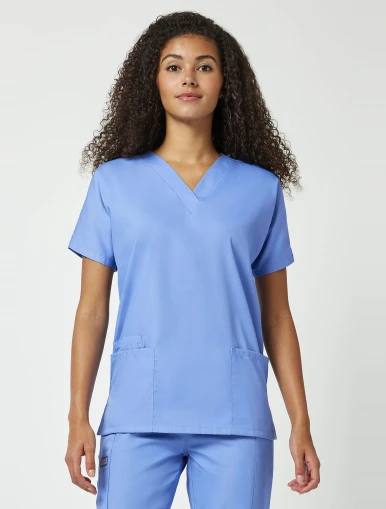 65Cherokee V-Neck Scrub Top for Women with 3 Pockets & Dolman Sleeve - 4700
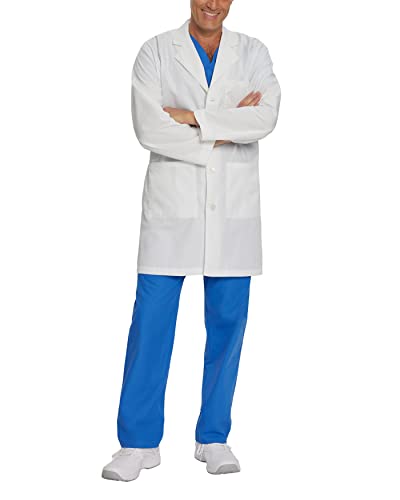 65Landau Men's Lab Coat - 65% Poly/35% Combed Cotton 5 Buttons
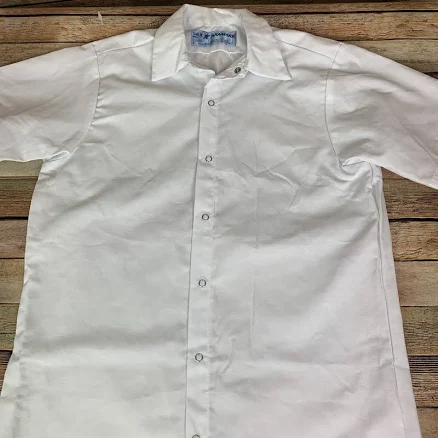 65Aramark Uniform Work Shirt Employee Short Sleeve White Snap Button Up
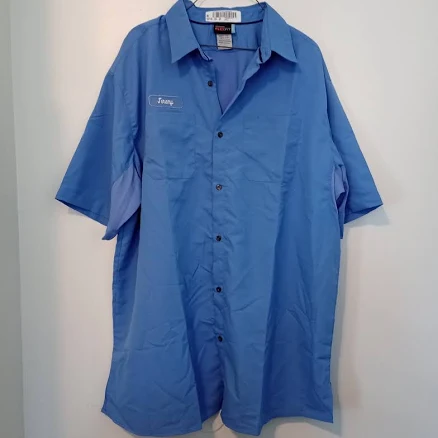 65Men’s 2xl Aramark Flexfit Uniform Work Shirt Blue
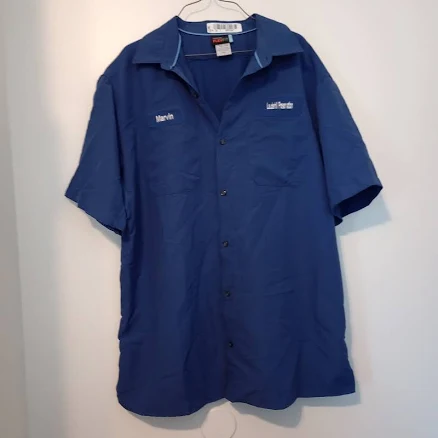 65Xl Aramark Flexfit Blue Work Shirt Short Sleeve Uniform
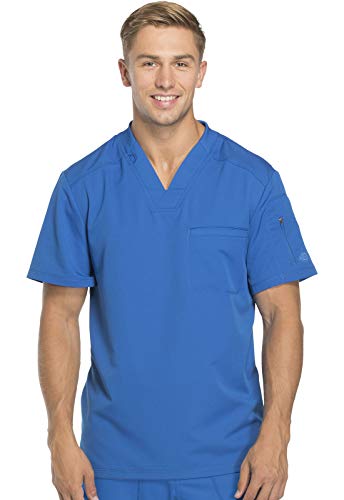 65Dickies Forge Men's 3-Pocket V-Neck Scrub Top
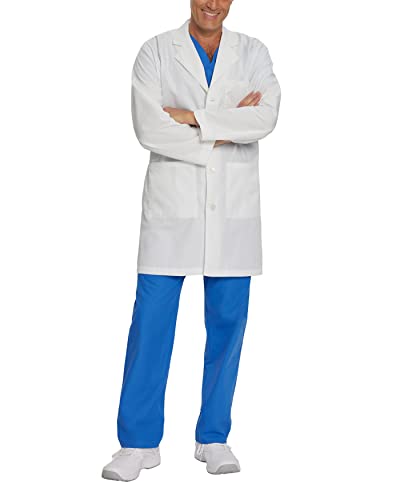 65Landau Men's Lab Coat - 100% Cotton Super Twill
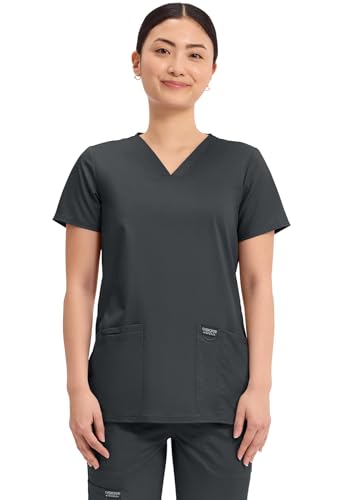 65Cherokee Workwear Originals Ultra Women's 2-Pocket V-Neck Scrub Top
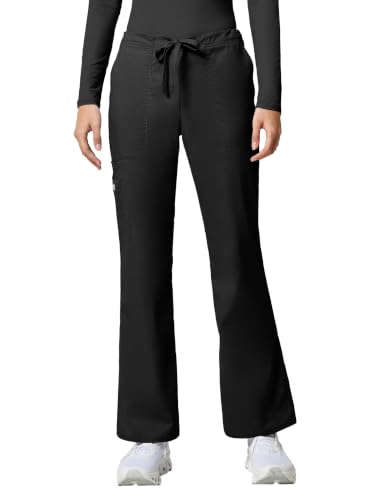 65Cherokee Workwear Women's 3-Pocket Flare Leg Drawstring Scrub Pants
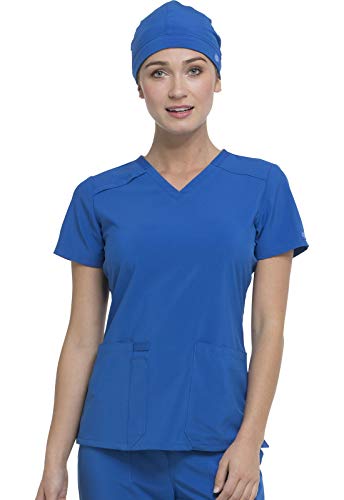 65Dickies EDS Essentials Unisex STRETCH Inner Terrycloth Scrub HatCompare vs Dickies →All scrubs & work uniforms →
How we score, every product runs through the same public 0-100 rubric based on materials, coatings, brand disclosure, lab findings, and recalls. See the full methodology → Spotted a mistake? Report an error.