Aramark · Scrubs & Work Uniforms
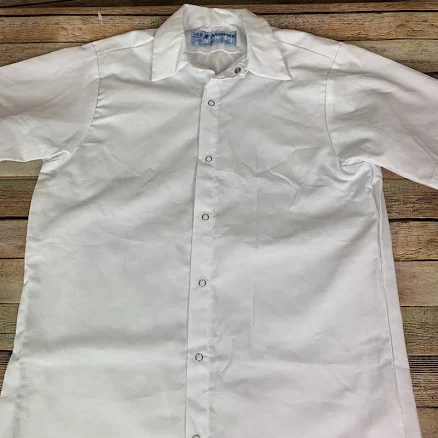
Aramark Uniform Work Shirt Employee Short Sleeve White Snap Button Up
Lower concern. Standard work shirt with no water-repellent coating or stain treatment noted.
Aramark makes no PFAS claims for this basic employee uniform shirt. Cotton or cotton-blend work apparel without water or stain resistance treatments carries lower PFAS risk than treated textiles.
Still want this one anyway? Check the price on Amazon. We’d swap it.
Material
cotton/polyester blend, no noted treatment
Brand disclosure
Brand is silent on PFAS
Lab data
No public lab test
You may also be interested in
Top-graded picks in the categories readers replace first, every one scored on the same rubric.

- polypropylene filter housing, carbon/sediment cartridge
- We found no PFAS statement from the brand
- Bacterial growth in spent cartridges
3 hazards checked on this product, all on its full breakdown.

Aquasure
Premier Series 75 GPD Under Sink Reverse Osmosis Water Filtration System
- RO membrane, carbon filters, stainless steel housing
- We found no PFAS statement from the brand
- Bacterial and microbial growth in housing and filters
4 hazards checked on this product, all on its full breakdown.

Avocado
Vegan Mattress
- organic cotton, natural latex, coconut coir, recycled steel coils
- The brand calls it PFAS-free, which we have not verified
- Heavy metals
2 hazards checked on this product, all on its full breakdown.
What Aramark Uniform Work Shirt Snap Button Up is made of, ingredients and materials
This shirt is a cotton-polyester blend, a common industrial uniform material chosen for durability and ease of care rather than performance finishes. The blend itself (typical ratios 50/50 to 65/35 polyester) carries no inherent toxicity concern. No documentation indicates this garment has stain-resistant, water-repellent, or antimicrobial finishes, which eliminates the primary chemical treatment risks common in workwear.
What’s concerning
Category baseline
The starting point for this type of product, before anything specific to this product is counted.
No PFAS disclosure
No public statement from the brand about PFAS in this product.
Antimony in polyester
Polyester production can involve antimony catalysts in trace quantities; however, well-manufactured commercial apparel poses negligible skin exposure risk. This hazard is theoretical rather than documented for Aramark products specifically.
VOC off-gassing and residual sizing
New garments may release trace VOCs and manufacturing chemicals during initial washes. Standard practice of washing before wear substantially mitigates this; no specific off-gassing complaints are on record for Aramark uniforms.
What’s reassuring
Base material not linked to PFAS
The main material recorded for this product is not one associated with PFAS.
Azo dyes and colorfast stability
White garments carry minimal azo dye risk since they require no synthetic colorants. No specific testing of this product's dyes is on record, but white cotton-polyester blends are among the lowest-risk color categories.
Formaldehyde / VOCs
No documentation indicates Aramark applies formaldehyde-based wrinkle-resist or sizing finishes to this basic work shirt. Standard industrial blank garments typically use minimal chemical finishing, but this is not verified for this specific SKU.
Source, ATSDR ↗Phthalates
This garment has snap buttons and no noted screen printing or graphic decoration, eliminating the primary phthalate vectors in apparel. Plain white construction minimizes exposure pathways.
Source, ATSDR ↗How is this PFAS grade calculated?
The brand's record and disclosure
Aramark is a large uniform and facility services company with no public record of major chemical safety recalls or certifications specific to restricted substances in apparel. The company maintains minimal public disclosure on fabric chemical standards or testing. No established controversies regarding formaldehyde, azo dyes, or heavy metals in Aramark-branded garments are on record, though this reflects lack of transparency rather than verified safety.
How it compares in its category
Basic cotton-polyester work shirts occupy the lower-risk end of apparel because they lack chemical finishing treatments. Compared to water-repellent or flame-retardant workwear, this product avoids the fluorinated compounds or brominated flame retardants that complicate safety profiles. It is functionally identical to generic bulk-market work shirts in terms of material hazard profile.
If you buy it
Wash before first wear in cool water to reduce any manufacturing residues or loose dyes. Use standard detergent; no special care required. Polyester content means it will pill slightly over time and may degrade faster than 100% cotton under heavy use or high heat drying. Replace when snaps fail, seams fray, or material thins, typically after 1-2 years of regular industrial use.
What is not known about PFAS in this product?
- Basis
- Model estimate, 72% confidence, not a lab result
- Lab test
- None on record for this exact product
- Brand statement
- Aramark has made none
Formulations change between production runs, so check the current label. How we grade.
More scrubs & work uniforms grades
How we score, every product runs through the same public 0-100 rubric based on materials, coatings, brand disclosure, lab findings, and recalls. See the full methodology → Spotted a mistake? Report an error.