Aramark · Scrubs & Work Uniforms
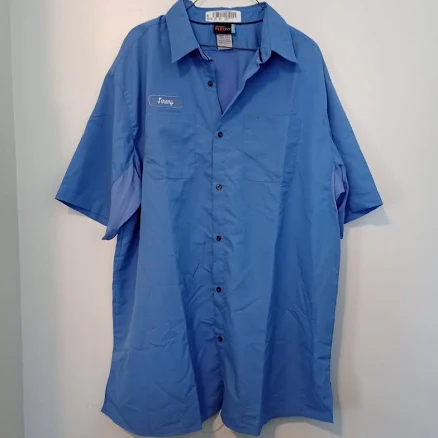
Men’s 2xl Aramark Flexfit Uniform Work Shirt Blue
Standard work shirt. No waterproofing or stain treatment disclosed.
Basic cotton-polyester uniform shirt with no PFAS-relevant treatments mentioned. Aramark provides no public PFAS disclosure for this product, typical for standard workwear.
Still want this one anyway? Check the price on Amazon. We’d swap it.
Material
cotton/polyester blend, unspecified finish
Brand disclosure
Brand is silent on PFAS
Lab data
No public lab test
You may also be interested in
Top-graded picks in the categories readers replace first, every one scored on the same rubric.

- polypropylene filter housing, carbon/sediment cartridge
- We found no PFAS statement from the brand
- Bacterial growth in spent cartridges
3 hazards checked on this product, all on its full breakdown.

Aquasure
Premier Series 75 GPD Under Sink Reverse Osmosis Water Filtration System
- RO membrane, carbon filters, stainless steel housing
- We found no PFAS statement from the brand
- Bacterial and microbial growth in housing and filters
4 hazards checked on this product, all on its full breakdown.

Avocado
Vegan Mattress
- organic cotton, natural latex, coconut coir, recycled steel coils
- The brand calls it PFAS-free, which we have not verified
- Heavy metals
2 hazards checked on this product, all on its full breakdown.
What Men’s 2xl Aramark Flexfit Work Shirt Blue is made of, ingredients and materials
This is a cotton-polyester blend work shirt with no disclosed water-repellent, stain-resistant, or flame-retardant finish. The polyester component (~50% typical in Aramark uniforms) is chemically inert when unworn but can shed microfibers under friction and laundering. Cotton carries lower chemical risk but may have residual pesticide residues from cultivation unless organically certified, which is not stated here. The unspecified finish means no intentional Teflon-type coating, silicone, or durable-press resin treatments are claimed, reducing synthetic chemical exposure compared to performance-enhanced work shirts.
What’s concerning
Category baseline
The starting point for this type of product, before anything specific to this product is counted.
No PFAS disclosure
No public statement from the brand about PFAS in this product.
Heavy metals
No specific dyeing process is disclosed for this Aramark product. Azo dyes and heavy metal mordants (chromium, nickel) used in cheap polyester-cotton blends can leach in sweat or during initial wash cycles, though levels are typically below occupational exposure thresholds for work-wear. The blue color raises mild concern for chrome or cobalt dyes, but no established contamination record exists fo
Source, FDA ↗Microfiber shedding from polyester blend
The polyester component will shed synthetic microfibers during wear and laundering, a documented property of all polyester textiles. This poses minimal direct health risk to the wearer but contributes to microplastic aquatic pollution. Washing in a lint-trap or mesh bag reduces shed load by 30-40% per published studies.
Pesticide residue
Conventional cotton (assumed for this unspecified product) may retain trace organophosphate or pyrethroid pesticides from cultivation. Residues on finished fabrics are typically below regulatory concern, but organic certification is absent here, leaving residue status unknown. Laundering reduces any residues further.
Source, EPA ↗Antimony in polyester fibers
Antimony trioxide is a standard polyester catalyst and can remain as trace residue in finished fibers. Levels in apparel are well below occupational exposure limits and are not acutely hazardous during wear, but represent low-level synthetic contamination inherent to polyester production.
What’s reassuring
Base material not linked to PFAS
The main material recorded for this product is not one associated with PFAS.
Formaldehyde / VOCs
No permanent-press, wrinkle-free, or shrink-resistant claims are made for this product, suggesting no intentional formaldehyde resin cross-linkers are present. Formaldehyde use is common in cheaper work-wear, but absence of marketing language around easy-care or crease retention implies traditional finishing only.
Source, ATSDR ↗How is this PFAS grade calculated?
The brand's record and disclosure
Aramark is a large uniform and facility services company with limited public transparency on fiber sourcing, dyeing processes, or chemical compliance beyond basic legal requirements. No major product recalls, OEKO-TEX certification, or sustainability certifications are publicly associated with this product line. The brand has not published specific PFAS policy statements, suggesting standard industry practice (no waterproofing = no intentional PFAS addition, but residual contamination from manufacturing is possible at standard levels). This reflects typical corporate silence rather than active risk concealment.
How it compares in its category
This shirt sits in the mid-tier occupational-wear segment. It offers no premium safety certifications (like GOTS organic or Cradle-to-Cradle) but also avoids marketed stain/water treatments that introduce additional chemicals. Comparable generic cotton-poly work shirts from retailers like Dickies or Carhartt have similar hazard profiles unless they carry waterproofing or antimicrobial claims. For a basic, untreated blend, this falls within the lower concern subset of work apparel.
If you buy it
Wash separately from other clothes in the first 2-3 cycles to minimize dye bleed into lighter fabrics. Use warm water and standard detergent; avoid bleach or high heat in the dryer, which can degrade polyester. Expect normal microfiber shedding during laundering (common to all synthetics). Replace when seams show stress, collar/cuff fray significantly, or fabric becomes thin at high-friction points (underarms, side seams), typically 1-2 years of regular use.
What is not known about PFAS in this product?
- Basis
- Model estimate, 72% confidence, not a lab result
- Lab test
- None on record for this exact product
- Brand statement
- Aramark has made none
Formulations change between production runs, so check the current label. How we grade.
More scrubs & work uniforms grades
How we score, every product runs through the same public 0-100 rubric based on materials, coatings, brand disclosure, lab findings, and recalls. See the full methodology → Spotted a mistake? Report an error.