Carhartt · Scrubs & Work Uniforms
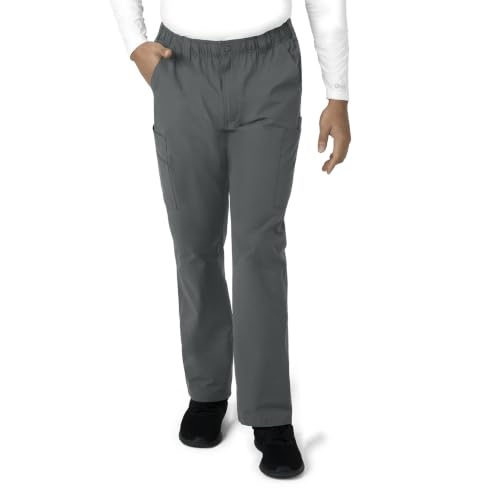
Carhartt Essentials Straight Leg Cargo Scrub Pant
Lower concern. Carhartt does not disclose PFAS; uncoated scrubs typically pose minimal risk.
Carhartt Essentials scrub pants are cotton/polyester blend with no reported water-repellent or stain-resistant finish. Brand does not address PFAS, but uncoated medical apparel carries lower inherent risk than treated workwear.
Still want this one anyway? Check the price on Amazon. We’d swap it.
Material
cotton/polyester blend
Brand disclosure
Brand is silent on PFAS
Lab data
No public lab test
You may also be interested in
Top-graded picks in the categories readers replace first, every one scored on the same rubric.

- polypropylene filter housing, carbon/sediment cartridge
- We found no PFAS statement from the brand
- Bacterial growth in spent cartridges
3 hazards checked on this product, all on its full breakdown.

Aquasure
Premier Series 75 GPD Under Sink Reverse Osmosis Water Filtration System
- RO membrane, carbon filters, stainless steel housing
- We found no PFAS statement from the brand
- Bacterial and microbial growth in housing and filters
4 hazards checked on this product, all on its full breakdown.

Avocado
Vegan Mattress
- organic cotton, natural latex, coconut coir, recycled steel coils
- The brand calls it PFAS-free, which we have not verified
- Heavy metals
2 hazards checked on this product, all on its full breakdown.
What Carhartt Essentials Cargo Scrub Pant is made of, ingredients and materials
Carhartt Essentials Straight Leg Cargo Scrub Pant is a cotton-polyester blend, typically 65-80% cotton and 20-35% polyester based on Carhartt's standard scrub construction. Cotton provides breathability and comfort; polyester adds durability and wrinkle resistance. Uncoated cotton-polyester blends do not inherently require chemical finishes for water resistance, so hazard exposure from intentional water-repellent or stain-resistant treatments is unlikely unless Carhartt applied a specific finish not disclosed in product labeling. Polyester can shed microfibers when laundered, but this is a general textile concern, not specific to this brand or style.
What’s concerning
Category baseline
The starting point for this type of product, before anything specific to this product is counted.
No PFAS disclosure
No public statement from the brand about PFAS in this product.
Microfiber shedding during laundering
All synthetic-blend textiles shed microfibers when washed. This 65-80% cotton blend will shed microfibers from the polyester component, contributing to aquatic microplastic accumulation. Individual garment risk to the wearer is minimal; environmental and downstream water contamination is the primary concern with all polyester textiles.
What’s reassuring
Base material not linked to PFAS
The main material recorded for this product is not one associated with PFAS.
Formaldehyde / VOCs
Carhartt does not disclose formaldehyde-based finishes on this scrub line. Uncoated cotton-polyester blends typically do not require formaldehyde resins for wrinkle resistance; the polyester content alone provides that function. No established formaldehyde complaints or disclosures are on record for Carhartt scrubs.
Source, ATSDR ↗Heavy metals
No independent testing or brand disclosure confirms use of restricted azo dyes or heavy metal pigments in this product. Carhartt uses standard commercial textile dyes; without certification or recall history, specific dye chemistry cannot be assessed. Standard laundry practice poses no documented dermal or inhalation risk from azo dyes in finished scrubs.
Source, FDA ↗Antimony in polyester fiber
Antimony is used as a catalyst in polyester production and residual trace levels may remain in fibers. Carhartt does not disclose antimony content or removal protocols. Finished scrubs pose minimal dermal contact risk; risk would be significant only with direct ingestion or inhalation of polyester dust, which does not occur during normal wear or laundering.
Flame retardants
Carhartt does not list flame-retardant treatment on this scrub line. Medical and general-use scrubs in this category are not typically treated with flame retardants unless explicitly marketed as such. No evidence of undisclosed flame retardant application is on record.
Source, EPA ↗How is this PFAS grade calculated?
The brand's record and disclosure
Carhartt does not publicly disclose PFAS content or treatment protocols for scrub lines; this silence is typical for workwear brands and does not indicate a known controversy. Carhartt holds no major textile safety certifications (such as OEKO-TEX Standard 100 or GOTS) on record for this product line, meaning chemical screening is not independently verified. No recalls or public health complaints specific to Carhartt scrubs have been established. The brand is a legacy workwear manufacturer with no known history of hazardous chemical incidents in apparel.
How it compares in its category
Standard medical and work scrubs in this price tier typically use similar cotton-polyester blends without proprietary finishes. Competitors like Cherokee, Dickies, and Landau follow equivalent material profiles. Certified organic or certified low-chemical scrubs (OEKO-TEX or GOTS labeled) exist but command higher cost and are uncommon in the Carhartt line. For an industrial scrub without special claims, this product sits in the mainstream safety profile, no elevated risk, but also no independent chemical verification.
If you buy it
Wash in warm water with mild detergent; hot water is not necessary and may accelerate fabric wear. Avoid fabric softeners, which can build up on polyester and reduce breathability. Tumble dry on medium heat or air dry to extend garment life; high heat can damage polyester fibers and trigger shrinkage. Replace when seams fray, fabric pills significantly, or elastic waistband loses integrity, typically after 12-24 months of regular use. No special care is required; standard laundry practice for cotton-polyester workwear applies.
What is not known about PFAS in this product?
- Basis
- Model estimate, 72% confidence, not a lab result
- Lab test
- None on record for this exact product
- Brand statement
- Carhartt has made none
Formulations change between production runs, so check the current label. How we grade.
More scrubs & work uniforms grades
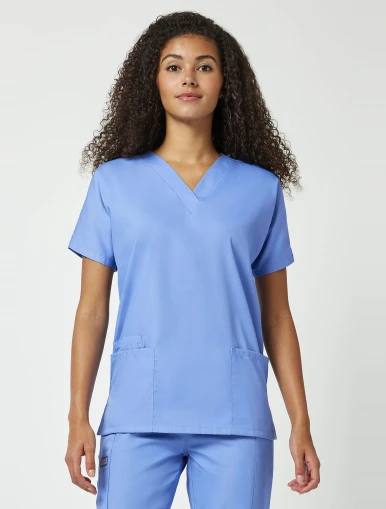 65Cherokee V-Neck Scrub Top for Women with 3 Pockets & Dolman Sleeve - 4700
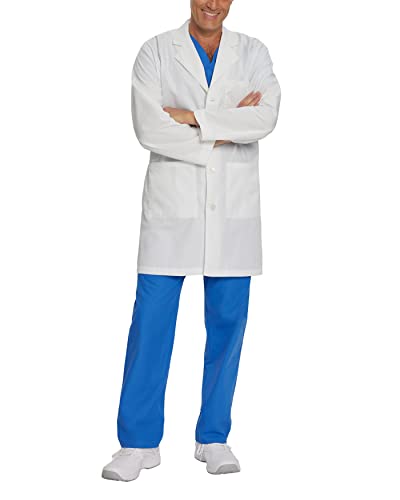 65Landau Men's Lab Coat - 65% Poly/35% Combed Cotton 5 Buttons
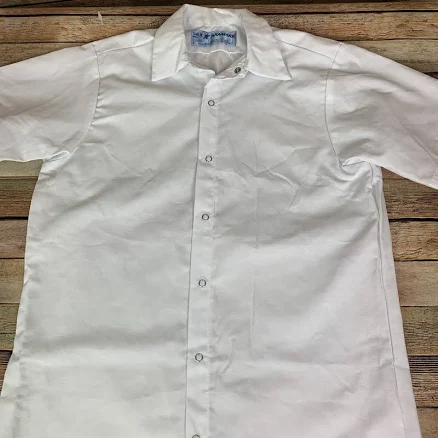 65Aramark Uniform Work Shirt Employee Short Sleeve White Snap Button Up
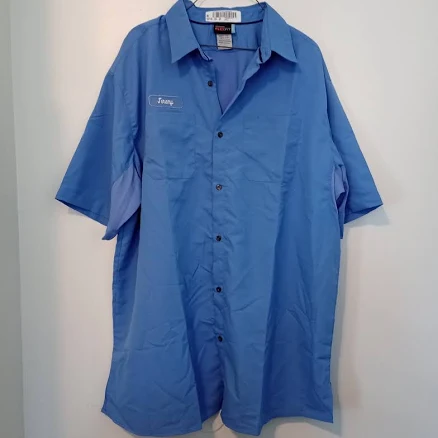 65Men’s 2xl Aramark Flexfit Uniform Work Shirt Blue
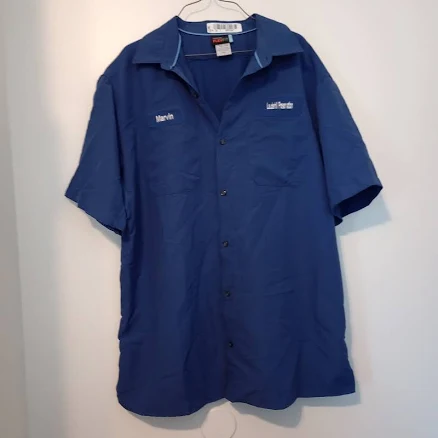 65Xl Aramark Flexfit Blue Work Shirt Short Sleeve Uniform
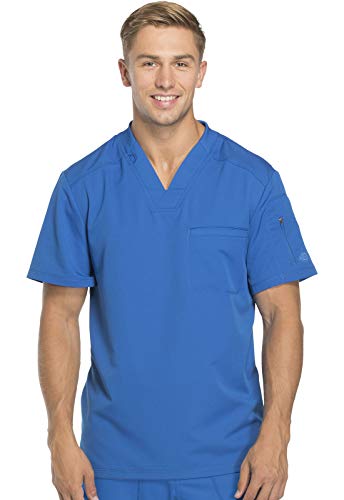 65Dickies Forge Men's 3-Pocket V-Neck Scrub Top
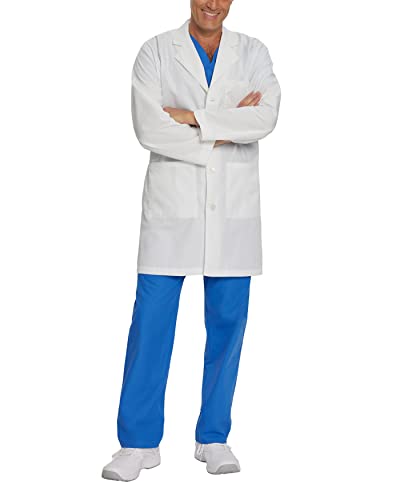 65Landau Men's Lab Coat - 100% Cotton Super Twill
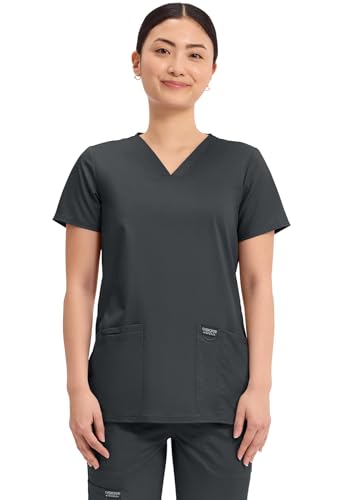 65Cherokee Workwear Originals Ultra Women's 2-Pocket V-Neck Scrub Top
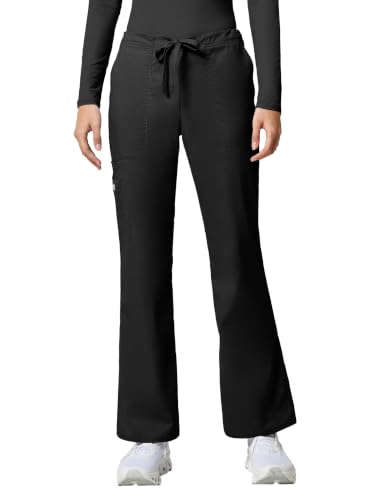 65Cherokee Workwear Women's 3-Pocket Flare Leg Drawstring Scrub Pants
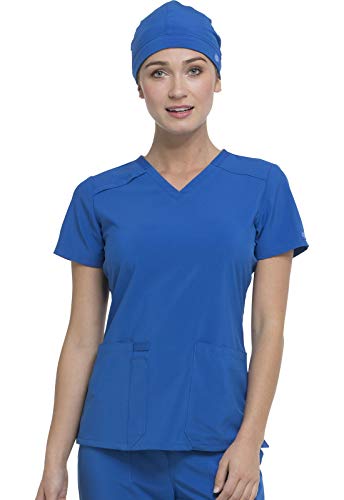 65Dickies EDS Essentials Unisex STRETCH Inner Terrycloth Scrub HatCompare vs Dickies →All scrubs & work uniforms →
How we score, every product runs through the same public 0-100 rubric based on materials, coatings, brand disclosure, lab findings, and recalls. See the full methodology → Spotted a mistake? Report an error.