Carhartt · Scrubs & Work Uniforms
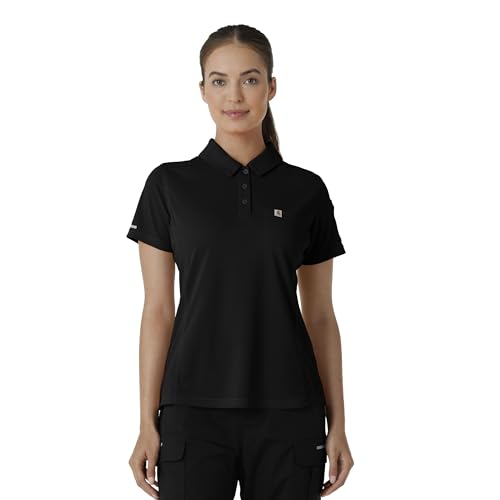
Carhartt RSCU Lightweight Polo Scrub Top
Skip until Carhartt discloses finish treatments or certifies PFAS-free.
Carhartt makes no public PFAS disclosures for this scrub top. Polyester apparel often carries water-repellent coating finishes that may contain PFAS; confirmation needed from the brand.
Still want this one anyway? Check the price on Amazon. We’d swap it.
Material
polyester blend, no specified finish
Brand disclosure
Brand is silent on PFAS
Lab data
No public lab test
You may also be interested in
Top-graded picks in the categories readers replace first, every one scored on the same rubric.

- polypropylene filter housing, carbon/sediment cartridge
- We found no PFAS statement from the brand
- Bacterial growth in spent cartridges
3 hazards checked on this product, all on its full breakdown.

Aquasure
Premier Series 75 GPD Under Sink Reverse Osmosis Water Filtration System
- RO membrane, carbon filters, stainless steel housing
- We found no PFAS statement from the brand
- Bacterial and microbial growth in housing and filters
4 hazards checked on this product, all on its full breakdown.

Avocado
Vegan Mattress
- organic cotton, natural latex, coconut coir, recycled steel coils
- The brand calls it PFAS-free, which we have not verified
- Heavy metals
2 hazards checked on this product, all on its full breakdown.
What Carhartt RSCU Lightweight Polo Scrub Top is made of, ingredients and materials
This scrub top is a polyester blend, likely polyester-cotton or polyester-elastane for stretch. Polyester itself does not leach chemicals during normal wear or laundering at typical temperatures. The hazard profile depends entirely on dyes, finishes, and resins applied during manufacturing, which Carhartt has not publicly disclosed for this item. Unknown finish treatments are the primary concern, not the base fiber.
What’s concerning
Category baseline
The starting point for this type of product, before anything specific to this product is counted.
No PFAS disclosure
No public statement from the brand about PFAS in this product.
Azo dyes and colorfast stability
Polyester scrubs are typically azo-dyed for color and durability. No public record of Carhartt testing or restricting azo dyes on this line. Bleeding or fading under repeated laundering may indicate dye instability, though complete dye restriction is not mandatory in the US for non-textile exports.
Formaldehyde / VOCs
Wrinkle-resistance, shape-memory, or crease-setting treatments on polyester blends often use formaldehyde-based resins. Carhartt does not disclose whether this scrub top carries such a finish. Off-gassing is typically low after initial production and laundering, but presence is not ruled out.
Source, ATSDR ↗Contact sensitization from dyes or finishes
Polyester garments, especially those with unknown finish treatments or dyes, may trigger skin irritation or contact dermatitis in sensitive individuals. Risk is not elevated for this brand specifically, but lack of certification (OEKO-TEX, Bluesign) means no third-party testing claim is on record.
What’s reassuring
Base material not linked to PFAS
The main material recorded for this product is not one associated with PFAS.
Antimony in polyester
Polyester fibers are sometimes catalyzed using antimony compounds; however, antimony remains in the polymer chain and does not migrate during wear or normal laundering. No specific concern for this garment unless fiber manufacturing data is available.
PFAS
This scrub top is not marketed as waterproof or water-resistant, and no water-repellent coating finish is mentioned in product description. However, Carhartt does not explicitly state PFAS-free status, leaving the possibility of finishes applied for performance or durability that are not disclosed.
Source, ATSDR ↗How is this PFAS grade calculated?
The brand's record and disclosure
Carhartt has not published a public PFAS reduction strategy or chemical disclosure policy. The brand does not appear on lists of companies certified PFAS-free or committed to phase-out timelines. Carhartt markets durability and workwear performance, which historically has relied on water-repellent coating (water-repellent coating) coatings that may contain PFAS; no evidence this scrub line uses such coatings, but absence of disclosure prevents verification. This silence is the limiting factor for confidence.
How it compares in its category
Medical and workwear scrubs vary widely in finish transparency. Brands like Dickies and Grey's Anatomy (Barco) similarly do not routinely disclose PFAS or finish chemistry on standard scrub tops. Some healthcare-focused manufacturers have begun publishing chemical safety or OEKO-TEX certification; Carhartt scrubs do not carry such marks on public record. Price and durability positioning suggest this is a mainstream product with typical disclosure gaps.
If you buy it
Wash in cool to warm water (below 60 C / 140 F) to preserve elastane and avoid accelerating any degradation of dyes or finishes. Avoid bleach and fabric softeners, which can interact with unknown treatments. Tumble dry low or air dry to prevent heat-induced chemical volatilization. Discontinue use if persistent odor, stiffness, or skin irritation develops after washing, as these may signal finish breakdown or dye instability.
What is not known about PFAS in this product?
- Basis
- Model estimate, 72% confidence, not a lab result
- Lab test
- None on record for this exact product
- Brand statement
- Carhartt has made none
Formulations change between production runs, so check the current label. How we grade.
More scrubs & work uniforms grades
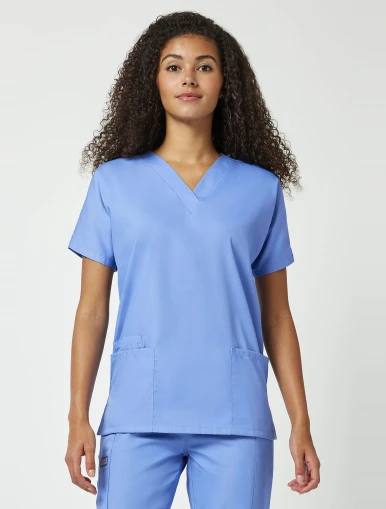 65Cherokee V-Neck Scrub Top for Women with 3 Pockets & Dolman Sleeve - 4700
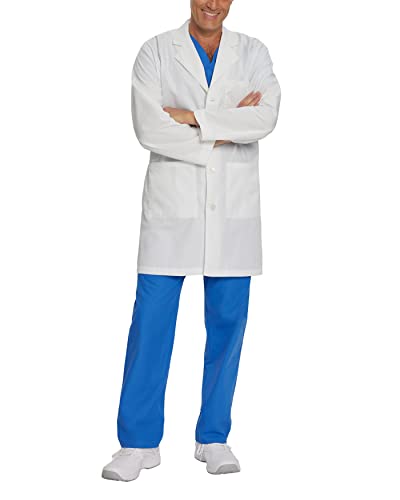 65Landau Men's Lab Coat - 65% Poly/35% Combed Cotton 5 Buttons
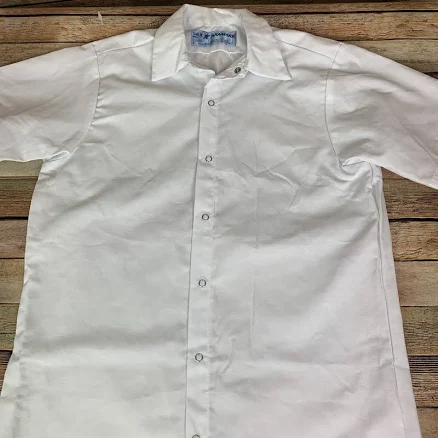 65Aramark Uniform Work Shirt Employee Short Sleeve White Snap Button Up
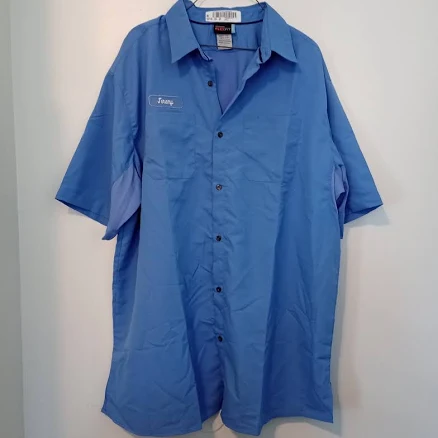 65Men’s 2xl Aramark Flexfit Uniform Work Shirt Blue
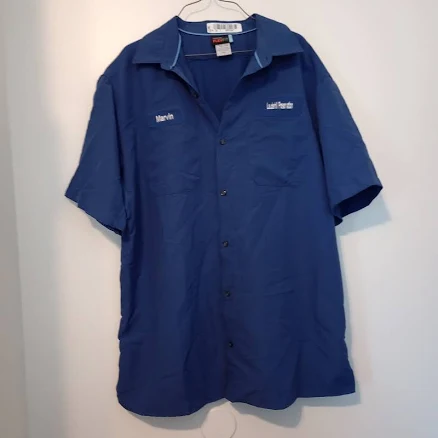 65Xl Aramark Flexfit Blue Work Shirt Short Sleeve Uniform
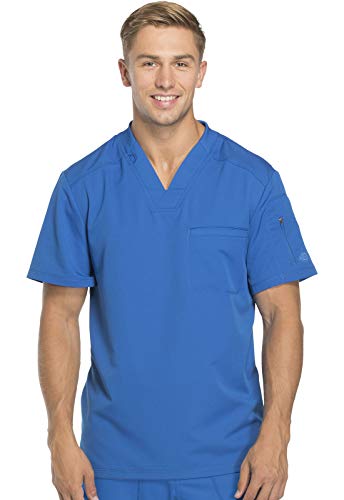 65Dickies Forge Men's 3-Pocket V-Neck Scrub Top
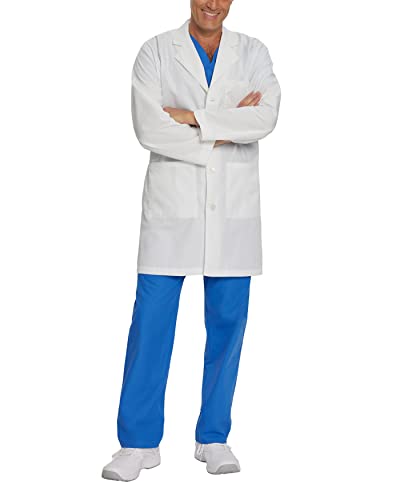 65Landau Men's Lab Coat - 100% Cotton Super Twill
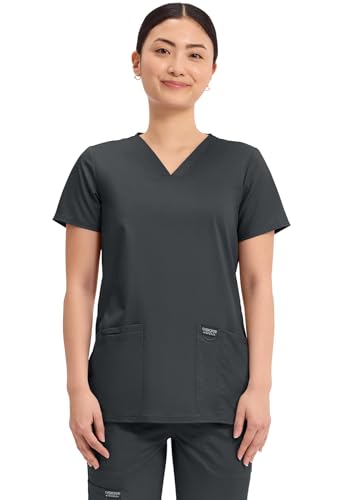 65Cherokee Workwear Originals Ultra Women's 2-Pocket V-Neck Scrub Top
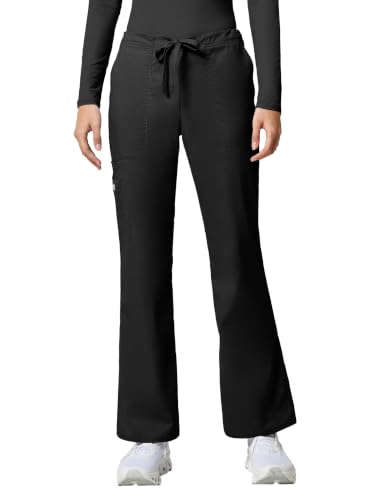 65Cherokee Workwear Women's 3-Pocket Flare Leg Drawstring Scrub Pants
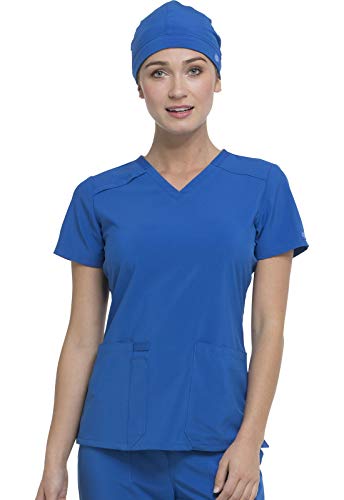 65Dickies EDS Essentials Unisex STRETCH Inner Terrycloth Scrub HatCompare vs Dickies →All scrubs & work uniforms →
How we score, every product runs through the same public 0-100 rubric based on materials, coatings, brand disclosure, lab findings, and recalls. See the full methodology → Spotted a mistake? Report an error.