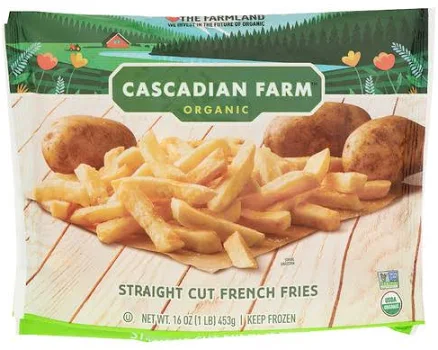
Cascadian Farm · Frozen French Fries & Frozen Food Bags
Cascadian Farm Straight Cut French Fries
Skip until brand discloses coating chemistry; grease-resistant packaging often contains PFAS.
Cascadian Farm does not disclose PFAS status or coating materials for this product. Frozen-food packaging commonly uses PFAS-based repellents as industry standard.
The better-graded swap
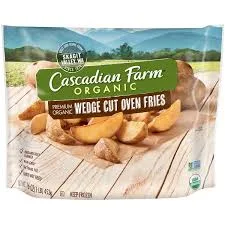
Cascadian Farm
Cascadian Farm Organic Oven Fries Wedge Cut
70/100 safety
Same rubric that flunked this product. The swap earned Good.
Still want this one anyway? Check the price on Amazon. We’d swap it.
Material
Paper/cardboard bag with grease-resistant coating
Brand disclosure
Brand is silent on PFAS
Lab data
No public lab test
You may also be interested in
Top-graded picks in the categories readers replace first, every one scored on the same rubric.

- polypropylene filter housing, carbon/sediment cartridge
- We found no PFAS statement from the brand
- Bacterial growth in spent cartridges
3 hazards checked on this product, all on its full breakdown.

Aquasure
Premier Series 75 GPD Under Sink Reverse Osmosis Water Filtration System
- RO membrane, carbon filters, stainless steel housing
- We found no PFAS statement from the brand
- Bacterial and microbial growth in housing and filters
4 hazards checked on this product, all on its full breakdown.

Avocado
Vegan Mattress
- organic cotton, natural latex, coconut coir, recycled steel coils
- The brand calls it PFAS-free, which we have not verified
- Heavy metals
2 hazards checked on this product, all on its full breakdown.
What Cascadian Farm Straight Cut French Fries is made of, ingredients and materials
Cascadian Farm French fries are potatoes, vegetable oil, and salt in a paper/cardboard bag with a grease-resistant interior coating. Grease-resistant food packaging coatings are predominantly formulated with PFAS "forever chemicals" (PFAS) to repel oils and moisture. The potato product itself is a whole food with minimal processing risk; the hazard lies entirely in the bag's coating chemistry, which Cascadian Farm has not publicly disclosed.
What’s concerning
Category baseline
The starting point for this type of product, before anything specific to this product is counted.
No PFAS disclosure
No public statement from the brand about PFAS in this product.
Waterproof / stain-resistant treatment
Water-repellent coating treatments have historically used PFAS.
PFAS
The interior bag coating designed to repel grease and moisture is the primary chemical hazard vector. Migration increases with heat, moisture, and acidic or oily foods; frozen fries are relatively low-risk because they are stored cold and coated in vegetable oil, but warm fries in direct contact with wet bag interior present moderate leachate potential.
Source, ATSDR ↗Acrylamide formation from high-heat processing
French fries are produced at high temperatures (deep frying), which generates acrylamide, a probable human carcinogen. Cascadian Farm fries are not uniquely high-risk, but all industrially fried potato products contain measurable acrylamide. Acrylamide levels vary by cooking time and temperature; home reheating does not materially increase acrylamide exposure.
Pesticide residue
Cascadian Farm markets organic certification, meaning synthetic pesticides are prohibited by USDA standards. However, organic potatoes may contain approved natural pesticide residues and are still subject to soil-residue exposure. Specific pesticide testing data for this product line is not publicly available; the organic label reduces (but does not eliminate) conventional chemical residue risk re
Source, EPA ↗Microplastic or particulate from bag degradation
Paper bags with plastic-composite coatings can shed microscopic particles, especially if creased, punctured, or aged. Risk is low for unopened frozen products but increases if the bag is handled roughly or stored for extended periods in warm conditions. Direct transfer to non-coated storage eliminates this pathway.
What’s reassuring
Packaging ink or adhesive migration
Exterior printing and adhesives on frozen food bags can leach into product under certain conditions. No recalls or documented incidents for Cascadian Farm fries are on record, and frozen storage temperatures limit ink/adhesive volatilization and migration relative to ambient-temperature packaging.
How is this PFAS grade calculated?
The brand's record and disclosure
Cascadian Farm (owned by General Mills) markets itself as an organic, sustainability-focused brand but has not published transparency reports on packaging chemistry or commitments to PFAS-free coatings. The brand does not provide specific material data sheets for bag components. No recalls or safety incidents specific to this product are on record, but silence on coating chemistry is consistent with widespread industry practice of undisclosed fluorinated coatings.
How it compares in its category
Most frozen fries sold in retail bags use grease-resistant coatings; this product is typical, not exceptional. Brands offering certified PFAS-free or uncoated packaging remain rare in frozen food. Buying unpackaged or bulk frozen fries from store bins, or transitioning to fresh potatoes, eliminates this specific exposure route entirely.
If you buy it
Transfer opened fries to a non-coated container (glass or uncoated ceramic) within one hour of opening to limit bag-to-food contact, especially if product remains warm. Do not reuse the bag for storage. Store the unopened product in a cool, dry place; grease-resistant coatings degrade slightly over extended storage or if bag is creased repeatedly, potentially increasing leachate risk. Consider rotating to bulk or fresh-cut alternatives to reduce cumulative PFAS exposure from packaging.
What is not known about PFAS in this product?
- Basis
- Model estimate, 45% confidence, not a lab result
- Lab test
- None on record for this exact product
- Brand statement
- Cascadian Farm has made none
Formulations change between production runs, so check the current label. How we grade.
What are the PFAS-free alternatives to Cascadian Farm Straight Cut French Fries?
- paper/cardboard box and plastic film inner bag
- We found no PFAS statement from the brand
- Acrylamide formation during cooking
More frozen french fries & frozen food bags grades
How we score, every product runs through the same public 0-100 rubric based on materials, coatings, brand disclosure, lab findings, and recalls. See the full methodology → Spotted a mistake? Report an error.