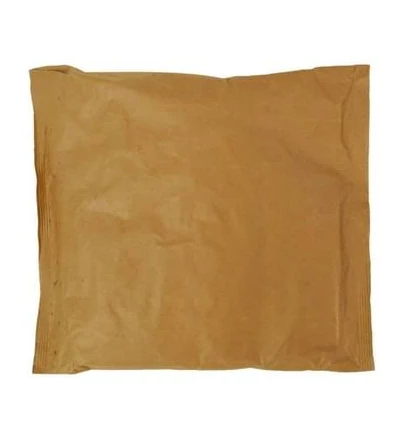
Lamb Weston · Frozen French Fries & Frozen Food Bags
Lamb Weston Colossal Crisp French Fries
Skip until greaseproof treatment is disclosed; PFAS risk unknown in packaging.
Lamb Weston does not disclose the grease-resistant treatment used on this frozen fries packaging. Grease-resistant food packaging commonly relies on fluorinated PFAS compounds.
The better-graded swap
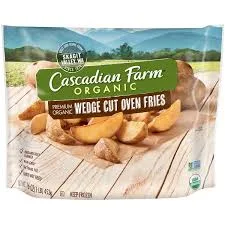
Cascadian Farm
Cascadian Farm Organic Oven Fries Wedge Cut
70/100 safety
Same rubric that flunked this product. The swap earned Good.
Still want this one anyway? Check the price on Amazon. We’d swap it.
Material
Paper/cardboard box with grease-resistant coating
Brand disclosure
Brand is silent on PFAS
Lab data
No public lab test
You may also be interested in
Top-graded picks in the categories readers replace first, every one scored on the same rubric.

- polypropylene filter housing, carbon/sediment cartridge
- We found no PFAS statement from the brand
- Bacterial growth in spent cartridges
3 hazards checked on this product, all on its full breakdown.

Aquasure
Premier Series 75 GPD Under Sink Reverse Osmosis Water Filtration System
- RO membrane, carbon filters, stainless steel housing
- We found no PFAS statement from the brand
- Bacterial and microbial growth in housing and filters
4 hazards checked on this product, all on its full breakdown.

Avocado
Vegan Mattress
- organic cotton, natural latex, coconut coir, recycled steel coils
- The brand calls it PFAS-free, which we have not verified
- Heavy metals
2 hazards checked on this product, all on its full breakdown.
What Lamb Weston Colossal Crisp French Fries is made of, ingredients and materials
Lamb Weston Colossal Crisp fries are frozen potato product in a paper/cardboard box with grease-resistant coating. The coating is the critical unknown, modern grease-resistant food packaging typically uses fluorinated compounds (PFAS) or silicone-based alternatives, but Lamb Weston has not publicly disclosed which. The fries themselves are potatoes, vegetable oil, and salt with possible minor additives; no inherent safety concern in the food matrix at typical serving temperatures.
What’s concerning
Category baseline
The starting point for this type of product, before anything specific to this product is counted.
No PFAS disclosure
No public statement from the brand about PFAS in this product.
Waterproof / stain-resistant treatment
Water-repellent coating treatments have historically used PFAS.
PFAS
Lamb Weston has not disclosed whether the box interior uses fluorinated (PFAS-containing) or non-fluorinated grease-resistant treatment. Fluorinated coatings can migrate into fatty foods over time, especially if box is stored warm or fries are heated inside packaging.
Source, ATSDR ↗Acrylamide formation in heated starchy foods
Frozen French fries, when baked or fried at high temperatures, produce acrylamide (a known animal carcinogen) as a byproduct of the Maillard reaction between amino acids and sugars in potatoes. This is inherent to the cooking process, not the product formulation, but well-documented in scientific literature. Risk is lower if fries are cooked at moderate temperatures and not overbrowned.
What’s reassuring
Oil composition and oxidation stability
Lamb Weston does not publicly identify the source or type of vegetable oil used in Colossal Crisp fries. Frozen fries are stable if stored at or below 0°F; oxidative degradation of oil is unlikely if freezer temperature is maintained. No specific recalls or safety alerts on record for this product.
Migration from cardboard and ink
FDA-approved food-contact cardboard and inks are required to meet safety standards; Lamb Weston packaging is likely compliant. However, if box is stored in very warm conditions or in direct sunlight, ink solvents or cardboard fibers could theoretically migrate into high-fat foods. No safety incidents reported for this brand.
Cross-contamination or allergen labeling
Lamb Weston clearly labels allergens (wheat, soy may be present in some products depending on seasoning blend). Product is manufactured in facilities that process other items; check label for specific allergen warnings if sensitive to shared equipment use.
How is this PFAS grade calculated?
The brand's record and disclosure
Lamb Weston, a major US frozen potato supplier, has not published transparency reports on PFAS in packaging materials or made commitments to phase out fluorinated coatings. The company does not appear on published lists of brands that have certified PFAS-free grease-resistant packaging. Absence of public disclosure does not confirm presence of PFAS, but it means consumers cannot verify the safety status of the box lining.
How it compares in its category
Most major frozen fry brands (McCain's, Ore-Ida, Cascadian Farm) similarly do not publicly disclose their grease-resistant coating chemistry. Some regional or premium brands emphasize recyclable/minimal-coated packaging. Frozen fries as a food category carry low chemical hazard risk; the packaging is the differentiator. This product is middle-of-road for transparency in its category.
If you buy it
Bake or deep-fry according to package directions; do not microwave fries inside the original bag, as heat may increase migration of any coating compounds into food. Transfer remaining fries to a glass or paper container if storing opened box in freezer. Replace box every 6 months or if lining shows visible wear or grease staining on interior cardboard. Compost or recycle the box according to local guidelines; the grease-resistant coating may complicate recycling, so check your facility's policy first.
What is not known about PFAS in this product?
- Basis
- Model estimate, 45% confidence, not a lab result
- Lab test
- None on record for this exact product
- Brand statement
- Lamb Weston has made none
Formulations change between production runs, so check the current label. How we grade.
What are the PFAS-free alternatives to Lamb Weston Colossal Crisp French Fries?
- paper/cardboard box and plastic film inner bag
- We found no PFAS statement from the brand
- Acrylamide formation during cooking
More frozen french fries & frozen food bags grades
How we score, every product runs through the same public 0-100 rubric based on materials, coatings, brand disclosure, lab findings, and recalls. See the full methodology → Spotted a mistake? Report an error.