McCain · Frozen French Fries & Frozen Food Bags
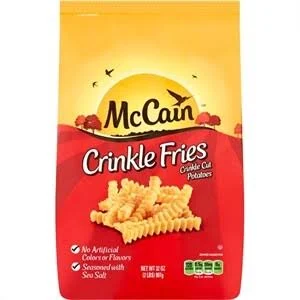
McCain Crinkle Fries 32 oz
Skip or seek explicit grease-resistant coating disclosure; McCain does not publicly disclose PFAS status.
Paperboard bag with grease-resistant coating to prevent oil migration. McCain makes no public PFAS disclosure for this packaging.
The better-graded swap
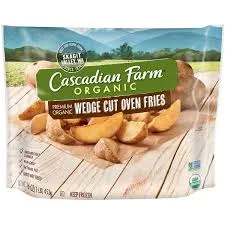
Cascadian Farm
Cascadian Farm Organic Oven Fries Wedge Cut
70/100 safety
Same rubric that flunked this product. The swap earned Good.
Still want this one anyway? Check the price on Amazon. We’d swap it.
Material
paperboard bag with grease-resistant coating
Brand disclosure
Brand is silent on PFAS
Lab data
No public lab test
You may also be interested in
Top-graded picks in the categories readers replace first, every one scored on the same rubric.

- polypropylene filter housing, carbon/sediment cartridge
- We found no PFAS statement from the brand
- Bacterial growth in spent cartridges
3 hazards checked on this product, all on its full breakdown.

Aquasure
Premier Series 75 GPD Under Sink Reverse Osmosis Water Filtration System
- RO membrane, carbon filters, stainless steel housing
- We found no PFAS statement from the brand
- Bacterial and microbial growth in housing and filters
4 hazards checked on this product, all on its full breakdown.

Avocado
Vegan Mattress
- organic cotton, natural latex, coconut coir, recycled steel coils
- The brand calls it PFAS-free, which we have not verified
- Heavy metals
2 hazards checked on this product, all on its full breakdown.
What McCain Crinkle Fries 32 oz is made of, ingredients and materials
McCain Crinkle Fries come in a paperboard bag with a grease-resistant interior coating designed to prevent oils from the fried potatoes from soaking through. This coating is where PFAS chemicals are most likely present, though McCain does not publicly specify which chemicals are used. Paperboard itself is inert, but the functional coating applied to the interior is the potential concern. The fries themselves are potatoes, vegetable oil, salt, and corn flour - standard frozen fry composition with no known hazards in the product itself.
What’s concerning
Category baseline
The starting point for this type of product, before anything specific to this product is counted.
No PFAS disclosure
No public statement from the brand about PFAS in this product.
Waterproof / stain-resistant treatment
Water-repellent coating treatments have historically used PFAS.
PFAS
Paperboard bags for fatty foods typically require fluorinated coatings to repel oils; McCain does not disclose coating chemistry. PFAS in food-contact packaging can migrate into food, particularly fatty foods like fried potatoes.
Source, ATSDR ↗Acrylamide from frying
All fried potatoes contain acrylamide, a byproduct of high-heat cooking. McCain fries are no exception; acrylamide levels vary by cook time and temperature. This is a category-wide concern, not brand-specific, and occurs whether you cook frozen fries at home or purchase pre-fried.
Bag integrity and freezer burn
If the paperboard bag is punctured or stored improperly, fries may develop freezer burn, but this is a quality issue, not a safety hazard. No chemical leakage risk from a compromised bag.
Pesticide residue
Conventional frozen fries may contain trace pesticide residues from potato cultivation. McCain does not market an organic product line for crinkle fries, so residue levels would reflect standard agricultural practice; testing by third parties is limited.
Source, EPA ↗What’s reassuring
Sodium content and labeling accuracy
McCain Crinkle Fries contain added salt; label claims should be verified against third-party analyses, but no known history of mislabeling or excessive sodium beyond stated nutrition facts.
How is this PFAS grade calculated?
The brand's record and disclosure
McCain Foods is a major global frozen potato processor but has not issued public statements about PFAS use in their packaging or committed to phasing out PFAS-containing coatings. The company has not pursued third-party certifications like How2Recycle or packaging transparency initiatives that would signal commitment to alternatives with lower PFAS concern. No major recalls or contamination incidents specific to McCain frozen fries have been publicly documented. The silent stance on grease-resistant coating chemistry is the defining gap.
How it compares in its category
Most major frozen fry brands (Ore-Ida, Lamb Weston, store brands) use similar paperboard bags with greaseproof coatings; virtually none disclose PFAS status. Some premium or organic brands have begun switching to uncoated or plant-based barrier materials, though these are less common at mainstream retail. McCain's lack of transparency is standard industry practice rather than an outlier, meaning this product is neither notably worse nor better than conventional alternatives. The category itself remains largely unregulated for PFAS packaging disclosure.
If you buy it
Store unopened bags at room temperature in a cool, dry place; freezer storage is fine and extends shelf life. Do not microwave in the bag; transfer fries to a microwave-safe dish or use the oven. The bag itself should never contact cooking surfaces or high heat. Discard the bag after use; do not reuse for food storage. If PFAS exposure from packaging is a concern for your household, consider switching to fresh potatoes or seeking brands with explicit non-PFAS coating disclosures.
What is not known about PFAS in this product?
- Basis
- Model estimate, 45% confidence, not a lab result
- Lab test
- None on record for this exact product
- Brand statement
- McCain has made none
Formulations change between production runs, so check the current label. How we grade.
What are the PFAS-free alternatives to McCain Crinkle Fries 32 oz?
- paper/cardboard box and plastic film inner bag
- We found no PFAS statement from the brand
- Acrylamide formation during cooking
More frozen french fries & frozen food bags grades
How we score, every product runs through the same public 0-100 rubric based on materials, coatings, brand disclosure, lab findings, and recalls. See the full methodology → Spotted a mistake? Report an error.