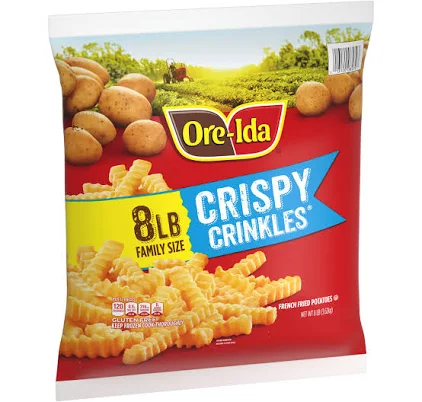
Ore-Ida · Frozen French Fries & Frozen Food Bags
Ore Ida Golden Crinkles French Fried Potatoes
Skip until brand discloses coating composition; grease-resistant food packaging commonly uses PFAS.
Grease-resistant cardboard packaging typical of food service, historically relying on PFAS-based coatings. Ore-Ida provides no disclosure about coating composition or PFAS content.
The better-graded swap
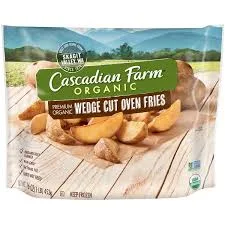
Cascadian Farm
Cascadian Farm Organic Oven Fries Wedge Cut
70/100 safety
Same rubric that flunked this product. The swap earned Good.
Still want this one anyway? Check the price on Amazon. We’d swap it.
Material
paper/cardboard packaging with grease-resistant coating
Brand disclosure
Brand is silent on PFAS
Lab data
No public lab test
You may also be interested in
Top-graded picks in the categories readers replace first, every one scored on the same rubric.

- polypropylene filter housing, carbon/sediment cartridge
- We found no PFAS statement from the brand
- Bacterial growth in spent cartridges
3 hazards checked on this product, all on its full breakdown.

Aquasure
Premier Series 75 GPD Under Sink Reverse Osmosis Water Filtration System
- RO membrane, carbon filters, stainless steel housing
- We found no PFAS statement from the brand
- Bacterial and microbial growth in housing and filters
4 hazards checked on this product, all on its full breakdown.

Avocado
Vegan Mattress
- organic cotton, natural latex, coconut coir, recycled steel coils
- The brand calls it PFAS-free, which we have not verified
- Heavy metals
2 hazards checked on this product, all on its full breakdown.
What Ore Ida Golden Crinkles Fried Potatoes is made of, ingredients and materials
Ore-Ida Golden Crinkles arrive in paper/cardboard packaging with a grease-resistant coating designed to prevent oil from soaking through during storage and cooking. This coating is the likely source of PFAS chemicals (per-and polyfluoroalkyl substances), which are fluorine-based compounds extremely resistant to heat and water. The potatoes themselves are cut and partially fried potato, then frozen; the food contact surface is the coated paper interior. Grease-resistant coatings on food packaging are a known PFAS pathway into food, though migration during frozen storage is lower risk than hot oil contact.
What’s concerning
Category baseline
The starting point for this type of product, before anything specific to this product is counted.
No PFAS disclosure
No public statement from the brand about PFAS in this product.
Waterproof / stain-resistant treatment
Water-repellent coating treatments have historically used PFAS.
PFAS
Paper/cardboard food packaging grease barriers commonly contain fluorinated compounds (PFOA, PFOS precursors, or GenX alternatives). Migration into fatty foods like potatoes is well-documented in peer-reviewed research. No specific Ore-Ida product testing is publicly available, but the coating type and brand silence on composition suggest PFAS presence.
Source, ATSDR ↗Acrylamide formation during frying
Potatoes fried at high temperatures generate acrylamide, a probable carcinogen. This is not unique to Ore-Ida and occurs in all fried potato products. The product itself does not introduce acrylamide; it forms during cooking. Limiting cooking temperature and time reduces exposure.
Lead
Potatoes grown in some soils accumulate cadmium; lead is less common but possible from soil or water contamination. Ore-Ida sources potatoes from multiple US regions with varying soil profiles. No specific testing data for this brand is publicly disclosed. Risk is present but typical for any potato product from unknown soil sources.
Source, ATSDR ↗What’s reassuring
Microplastics
Paper-based packaging does not shed microplastics during normal frozen storage. No reports of bag breakdown contaminating Ore-Ida products exist. Risk is negligible if bag remains intact and is discarded after use.
Source, EPA ↗Preservatives and additives (sodium, dextrose)
Ore-Ida Golden Crinkles contain salt, dextrose, and sodium acid pyrophosphate (texture preservative). These are approved food additives at the levels used and pose no toxicological concern for most consumers, though sodium content is high. No unlabeled or hazardous additives have been documented.
How is this PFAS grade calculated?
The brand's record and disclosure
Ore-Ida (owned by Heinz/Kraft Heinz) has not publicly disclosed the specific chemistry of its packaging coatings or committed to PFAS-free alternatives as of available records. The brand does not prominently advertise PFAS-avoidant packaging or provide consumer-facing transparency on fluorinated compounds. Kraft Heinz has faced broader scrutiny on sustainability and chemical disclosure but has not issued category-specific commitments for frozen food packaging. No major recalls or regulatory actions specific to this product line are on record.
How it compares in its category
Most frozen french fry brands (including private-label and competitors like Simplot) use similar grease-resistant coatings, making this a category-wide issue rather than a Ore-Ida-specific weakness. Some brands have begun switching to non-fluorinated barrier coatings, but disclosure remains sparse across the category. Ore-Ida does not differentiate itself as a PFAS-conscious option. Homemade frozen fries or brands explicitly certifying PFAS-free packaging are the only clear alternatives with reduced exposure.
If you buy it
Store in a cool freezer and avoid prolonged contact between the coated paper and the thawed or cooked potatoes. Do not reuse the bag for non-food storage or for heating food directly in it; transfer to cookware. PFAS migration risk is highest during or after heating (the fries are typically cooked in a separate vessel, which lowers exposure). If concerned about cumulative PFAS intake, rotate with unpackaged alternatives like bulk frozen fries or fresh potatoes.
What is not known about PFAS in this product?
- Basis
- Model estimate, 45% confidence, not a lab result
- Lab test
- None on record for this exact product
- Brand statement
- Ore-Ida has made none
Formulations change between production runs, so check the current label. How we grade.
What are the PFAS-free alternatives to Ore Ida Golden Crinkles French Fried Potatoes?
- paper/cardboard box and plastic film inner bag
- We found no PFAS statement from the brand
- Acrylamide formation during cooking
More frozen french fries & frozen food bags grades
How we score, every product runs through the same public 0-100 rubric based on materials, coatings, brand disclosure, lab findings, and recalls. See the full methodology → Spotted a mistake? Report an error.