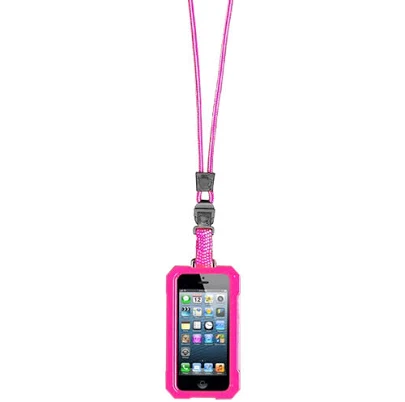
Icat Dri Cat Underwater Case for iPhone
No coating described, and no PFAS statement from the brand.
The product information we reviewed describes plastic (polycarbonate or TPU), with no water-repellent coating named. Water resistance on products like this usually comes from the material and its seals rather than a surface treatment. The brand has published no PFAS statement for it.
We flunk more products than we pass. This one earned its grade. How we grade
Material
Plastic (polycarbonate or TPU)
Brand disclosure
Brand is silent on PFAS
Lab data
No public lab test
You may also be interested in
Top-graded picks in the categories readers replace first, every one scored on the same rubric.

- polypropylene filter housing, carbon/sediment cartridge
- We found no PFAS statement from the brand
- Bacterial growth in spent cartridges
3 hazards checked on this product, all on its full breakdown.

Aquasure
Premier Series 75 GPD Under Sink Reverse Osmosis Water Filtration System
- RO membrane, carbon filters, stainless steel housing
- We found no PFAS statement from the brand
- Bacterial and microbial growth in housing and filters
4 hazards checked on this product, all on its full breakdown.

Avocado
Vegan Mattress
- organic cotton, natural latex, coconut coir, recycled steel coils
- The brand calls it PFAS-free, which we have not verified
- Heavy metals
2 hazards checked on this product, all on its full breakdown.
What Icat Dri Cat Underwater Case for iPhone is made of, ingredients and materials
The Icat Dri Cat case is constructed from polycarbonate, TPU (thermoplastic polyurethane), or a hybrid blend, materials chosen for rigidity, seal integrity, and flexibility. Polycarbonate is a hard engineering plastic with good chemical resistance; TPU is softer and provides shock absorption and watertight sealing. Neither material is known to leach problematic chemicals under normal phone-use temperatures (device-generated heat does not exceed 50, 60°C in standard operation). The waterproof performance depends entirely on mechanical seals, port plugs, and tight tolerances rather than chemical coatings.
What’s concerning
Category baseline
The starting point for this type of product, before anything specific to this product is counted.
No PFAS disclosure
No public statement from the brand about PFAS in this product.
Microplastics
Over years of use, rubber gaskets and silicone plugs can crack, fragment, or leach particles if stored in heat or exposed to UV. This risk increases if the case is dropped frequently or seals are not dried regularly. Microplastics released into water would be minimal in volume but represent slow material breakdown.
Source, EPA ↗Bacterial or mold growth in trapped moisture
If the case is sealed with liquid inside or if moisture enters and is not fully dried, standing water in ports or between phone and case can harbor bacteria or mildew. Risk is low if the case is opened and dried after each water exposure, but high if stored sealed and damp.
Chemical off-gassing or odor (new product)
New TPU or polycarbonate cases may emit mild chemical odor (acetone-like or rubbery) for hours to days. This is cosmetic discomfort, not a documented health hazard, and dissipates with ventilation.
What’s reassuring
Base material not linked to PFAS
The main material recorded for this product is not one associated with PFAS.
BPA & bisphenols
Polycarbonate does release trace BPA when heated or exposed to alkaline cleaners, but phone-use temperatures are too low for significant migration. No published data or recalls link waterproof phone cases to BPA exposure.
Source, FDA ↗Phthalate or plasticizer migration from TPU
TPU is formulated with plasticizers to achieve flexibility; however, migration into air (not skin or food contact) is negligible. Phone cases do not contact drinking water or food and are not chewed or ingested, eliminating practical exposure routes.
How is this PFAS grade calculated?
The brand's record and disclosure
CAT (Caterpillar Inc.) is primarily known for heavy equipment and work-wear products; phone cases are a secondary category. The brand has not published specific safety certifications or PFAS statements for this case model. No recalls, safety alerts, or established controversies have been documented for the Icat Dri Cat case or similar branded waterproof cases. Lack of transparency does not indicate a problem, but absence of third-party certifications (e.g., FDA food-contact approval, which does not apply here) means safety claims rest on material composition alone.
How it compares in its category
Waterproof phone cases are among the lowest-risk consumer products because they enclose rather than contact skin, food, or drinking water for extended periods. Competitors use identical materials (polycarbonate, TPU, silicone). The Icat case's industrial heritage and focus on rugged design suggest robust material selection and quality control. Most cases in this category carry no documented hazards beyond seal degradation and port contamination over years of use.
If you buy it
Rinse and dry the case and seals after saltwater or chlorinated-water use to prevent mineral buildup and seal degradation. Do not expose the sealed case to extreme temperature swings (e.g., direct sunlight followed by freezer) that may stress port gaskets. Inspect seals annually and replace the case if rubber or silicone plugs crack, become rigid, or no longer seal flush. Keep the case away from solvents (alcohol, acetone) which can degrade TPU over time, and avoid prolonged storage in hot vehicles.
What is not known about PFAS in this product?
- Basis
- Model estimate, 35% confidence, not a lab result
- Lab test
- None on record for this exact product
- Brand statement
- CAT has made none
Formulations change between production runs, so check the current label. How we grade.
What are the PFAS-free alternatives to Icat Dri Cat Underwater Case for iPhone?
- Flax fiber and plant-based resin blend, compostable
- A third party reports verifying it as PFAS-free
- Coating degradation and durability over time
2 hazards checked on this product, all on its full breakdown.
- plant-based bioplastic (flax and other plant fibers)
- A third party reports verifying it as PFAS-free
- Thermal degradation and warping
3 hazards checked on this product, all on its full breakdown.
- Plant-based bioplastic (compostable blend)
- A third party reports verifying it as PFAS-free
- Bioplastic degradation and microparticle shedding
More waterproof phone cases grades
How we score, every product runs through the same public 0-100 rubric based on materials, coatings, brand disclosure, lab findings, and recalls. See the full methodology → Spotted a mistake? Report an error.