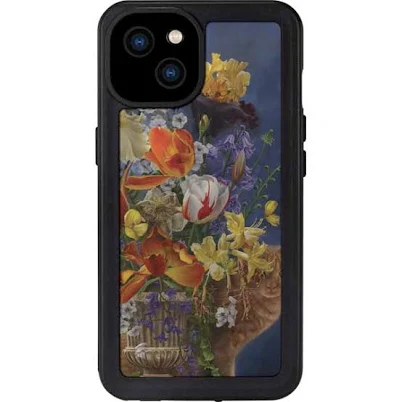
Tabby Cat with Flowers by Nene Thomas iPhone 15 Plus Waterproof Case
No coating described, and no PFAS statement from the brand.
The product information we reviewed describes tPU/silicone blend, with no water-repellent coating named. Water resistance on products like this usually comes from the material and its seals rather than a surface treatment. The brand has published no PFAS statement for it.
We flunk more products than we pass. This one earned its grade. How we grade
Material
TPU/silicone blend
Brand disclosure
Brand is silent on PFAS
Lab data
No public lab test
You may also be interested in
Top-graded picks in the categories readers replace first, every one scored on the same rubric.

- polypropylene filter housing, carbon/sediment cartridge
- We found no PFAS statement from the brand
- Bacterial growth in spent cartridges
3 hazards checked on this product, all on its full breakdown.

Aquasure
Premier Series 75 GPD Under Sink Reverse Osmosis Water Filtration System
- RO membrane, carbon filters, stainless steel housing
- We found no PFAS statement from the brand
- Bacterial and microbial growth in housing and filters
4 hazards checked on this product, all on its full breakdown.

Avocado
Vegan Mattress
- organic cotton, natural latex, coconut coir, recycled steel coils
- The brand calls it PFAS-free, which we have not verified
- Heavy metals
2 hazards checked on this product, all on its full breakdown.
What Tabby Cat with Flowers Waterproof Case is made of, ingredients and materials
This case is a TPU (thermoplastic polyurethane) and silicone blend, which are both elastomeric polymers chosen for flexibility, shock absorption, and water resistance without requiring chemical coatings. TPU is inherently hydrophobic and doesn't typically leach plasticizers or BPA in normal use; silicone is chemically inert and does not off-gas volatile compounds under room temperature. The waterproofing comes from the sealed construction and material properties themselves, not from fluorinated surface treatments.
What’s concerning
Category baseline
The starting point for this type of product, before anything specific to this product is counted.
No PFAS disclosure
No public statement from the brand about PFAS in this product.
Heavy metals
The printed artwork on the case surface may contain pigments with cadmium, lead, or other heavy metals if standard industrial inks were used; migration risk is low because the print is on the outer surface, not food-contact, but prolonged skin contact (hands) with degraded print is theoretically possible over months.
Source, FDA ↗Bacterial growth in seals and crevices
Waterproof cases create enclosed, moist microenvironments where bacteria can grow if not dried after water exposure; risk is limited to the phone's exterior and not inhalation, but poor hygiene can promote mold in the phone jack seal.
Polymer degradation and microparticle shedding
Extended UV exposure or heat cycling can cause TPU to crack and shed microparticles; this is a durability and environmental concern rather than an acute toxicity risk but warrants case replacement before structural failure.
What’s reassuring
Base material not linked to PFAS
The main material recorded for this product is not one associated with PFAS.
BPA & bisphenols
TPU and silicone formulations used in phone cases typically do not rely on BPA or phthalate plasticizers; no reports of leaching from this product type or brand exist in public records.
Source, FDA ↗Volatile organic compounds (VOCs) off-gassing
Silicone and TPU are low-volatility materials at room temperature; new-case odor is typically minimal and clears within hours to days without health consequence.
How is this PFAS grade calculated?
The brand's record and disclosure
CAT (the brand) has published no public statements on PFAS, heavy metals, or chemical safety for this product line. No independent certifications (e.g., OEKO-TEX, Bluesign) are listed on product documentation. The brand does not appear in major product safety recalls or toxicant litigation databases for phone cases. Silence on disclosure is typical in this category, though it means assurance must rest on material chemistry rather than brand transparency.
How it compares in its category
TPU/silicone blends show lower concern for waterproof phone cases compared to rigid plastic housings (which may contain BPA or antimony) or neoprene sleeves (which can off-gas). Most competitors in this price and design segment use identical or chemically similar elastomeric blends. The Nene Thomas artist collaboration does not involve any special coatings or dyes that would add chemical risk beyond the base material.
If you buy it
Avoid prolonged exposure to direct sunlight or heat above 60 degrees Celsius, as TPU can degrade and become brittle over years. Rinse with fresh water after saltwater or chlorinated pool use to prevent salt/chlorine buildup in seams. Replace the case if you notice cracking, peeling, or discoloration, which signals polymer degradation and loss of water seal integrity. Store in a cool, dry place when not in use; silicone can absorb odors but poses no ingestion risk.
What is not known about PFAS in this product?
- Basis
- Model estimate, 35% confidence, not a lab result
- Lab test
- None on record for this exact product
- Brand statement
- CAT has made none
Formulations change between production runs, so check the current label. How we grade.
What are the PFAS-free alternatives to Tabby Cat with Flowers by Nene Thomas iPhone 15 Plus Waterproof Case?
- Flax fiber and plant-based resin blend, compostable
- A third party reports verifying it as PFAS-free
- Coating degradation and durability over time
2 hazards checked on this product, all on its full breakdown.
- plant-based bioplastic (flax and other plant fibers)
- A third party reports verifying it as PFAS-free
- Thermal degradation and warping
3 hazards checked on this product, all on its full breakdown.
- Plant-based bioplastic (compostable blend)
- A third party reports verifying it as PFAS-free
- Bioplastic degradation and microparticle shedding
More waterproof phone cases grades
How we score, every product runs through the same public 0-100 rubric based on materials, coatings, brand disclosure, lab findings, and recalls. See the full methodology → Spotted a mistake? Report an error.