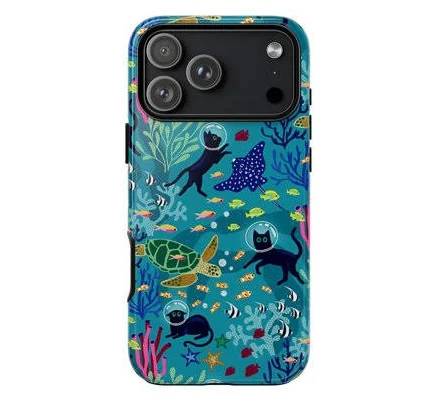
Underwater Cat Tough Phone Case for iPhone 717 Pro Max Glossy Dual Layer Shockproof Ocean Animal Protective Cover Gift f
No coating described, and no PFAS statement from the brand.
The product information we reviewed describes tPU or silicone dual-layer, with no water-repellent coating named. Water resistance on products like this usually comes from the material and its seals rather than a surface treatment. The brand has published no PFAS statement for it.
We flunk more products than we pass. This one earned its grade. How we grade
Material
TPU or silicone dual-layer
Brand disclosure
Brand is silent on PFAS
Lab data
No public lab test
You may also be interested in
Top-graded picks in the categories readers replace first, every one scored on the same rubric.

- polypropylene filter housing, carbon/sediment cartridge
- We found no PFAS statement from the brand
- Bacterial growth in spent cartridges
3 hazards checked on this product, all on its full breakdown.

Aquasure
Premier Series 75 GPD Under Sink Reverse Osmosis Water Filtration System
- RO membrane, carbon filters, stainless steel housing
- We found no PFAS statement from the brand
- Bacterial and microbial growth in housing and filters
4 hazards checked on this product, all on its full breakdown.

Avocado
Vegan Mattress
- organic cotton, natural latex, coconut coir, recycled steel coils
- The brand calls it PFAS-free, which we have not verified
- Heavy metals
2 hazards checked on this product, all on its full breakdown.
What Underwater Cat Tough Phone Cover Gift f is made of, ingredients and materials
This case uses a TPU (thermoplastic polyurethane) or silicone dual-layer construction, which are flexible elastomers chosen for shock absorption and water resistance without relying on chemical coatings. TPU and silicone do not off-gas significant volatile organic compounds at room temperature or in normal use conditions. The waterproofing comes from the material density and mechanical sealing (gaskets, tight tolerances) rather than a surface treatment, so there is no fluorinated polymer topcoat introducing PFAS risk.
What’s concerning
Vague safety claims only
Uses vague language ("eco-friendly", "clean") without a specific PFAS statement.
Category baseline
The starting point for this type of product, before anything specific to this product is counted.
Silicone or TPU degradation and leachates
Over years or with UV exposure, silicone and TPU can soften, yellow, or shed small oligomers (short-chain molecules). This is cosmetic in most cases but theoretically could contact skin if case is heavily abraded; risk is low in normal use.
Dye or pigment migration in glossy finish
The glossy coating mentioned in the product name may use organic colorants or UV stabilizers; if sweating skin or moisture contacts the case for hours, minor surface dye transfer to hands is theoretically possible but unlikely with modern case pigments.
Mold or bacterial growth in seals
If the case is sealed with trapped moisture for extended periods, the gasket or interior rubber seals can become a microhabitat for mold. This is a microbial, not chemical, hazard but can worsen with poor ventilation during storage.
What’s reassuring
Base material not linked to PFAS
The main material recorded for this product is not one associated with PFAS.
Adhesive residues if printed or glued decals are used
Product description does not mention printed graphics or applied decals. If the glossy finish and ocean animal design are printed directly onto the elastomer, inks are typically UV-cured and low-migration; no safety issue is on record for this brand or category.
Heavy metals
Modern silicone and TPU cases for consumer electronics are not known to use lead, cadmium, or other heavy metal pigments; colorants are almost always organic or titanium dioxide. No recalls or test reports indicate this issue in waterproof case products.
Source, FDA ↗How is this PFAS grade calculated?
The brand's record and disclosure
CAT (as a consumer case brand) has no public sustainability or material safety certifications or disclosure statements on record. The brand has not published test results, third-party certifications, or chemical composition details for this product line. No recalls or chemical safety controversies are documented for CAT phone cases in consumer databases. Absence of disclosure does not indicate a problem, but it means independent verification of material origin or purity is unavailable.
How it compares in its category
Waterproof phone cases typically rely on TPU, silicone, or thermoplastic elastomers for sealing rather than on PFAS-based water-repellent coatings, so this product uses materials not linked to PFAS for this function. Many competitor cases in this price tier use identical dual-layer elastomer construction. Cases that do use additional coatings or nano-treatments are rarer and usually marketed explicitly; this one does not claim such treatments, keeping exposure surface area low.
If you buy it
Store the case away from direct sunlight and heat sources above 60 degrees Celsius to prevent silicone or TPU degradation over time. Clean it regularly with mild soap and water, and inspect seals annually for cracks or stiffening, which may signal replacement need. Do not leave it sealed with moisture trapped inside for weeks, as prolonged humidity can encourage mold on the phone rather than the case itself. After 2-3 years, elastomers may harden; replacing it is inexpensive insurance.
What is not known about PFAS in this product?
- Basis
- Model estimate, 35% confidence, not a lab result
- Lab test
- None on record for this exact product
- Brand statement
- CAT has made none
Formulations change between production runs, so check the current label. How we grade.
What are the PFAS-free alternatives to Underwater Cat Tough Phone Case for iPhone 717 Pro Max Glossy Dual Layer Shockproof Ocean Animal Protective Cover Gift f?
- Flax fiber and plant-based resin blend, compostable
- A third party reports verifying it as PFAS-free
- Coating degradation and durability over time
2 hazards checked on this product, all on its full breakdown.
- plant-based bioplastic (flax and other plant fibers)
- A third party reports verifying it as PFAS-free
- Thermal degradation and warping
3 hazards checked on this product, all on its full breakdown.
- Plant-based bioplastic (compostable blend)
- A third party reports verifying it as PFAS-free
- Bioplastic degradation and microparticle shedding
More waterproof phone cases grades
How we score, every product runs through the same public 0-100 rubric based on materials, coatings, brand disclosure, lab findings, and recalls. See the full methodology → Spotted a mistake? Report an error.