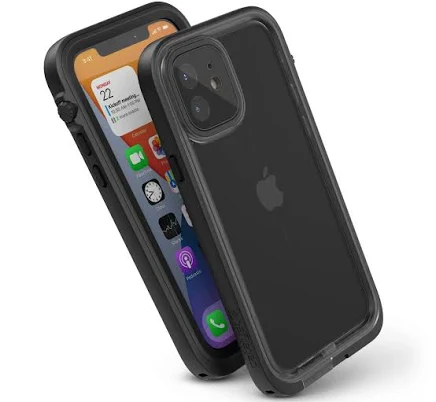
Catalyst · Waterproof Phone Cases
Catalyst iPhone 12 Waterproof Case
No coating described, and no PFAS statement from the brand.
The product information we reviewed describes tPE/silicone, with no water-repellent coating named. Water resistance on products like this usually comes from the material and its seals rather than a surface treatment. The brand has published no PFAS statement for it.
We flunk more products than we pass. This one earned its grade. How we grade
Material
TPE/silicone
Brand disclosure
Brand is silent on PFAS
Lab data
No public lab test
You may also be interested in
Top-graded picks in the categories readers replace first, every one scored on the same rubric.

Aqua Pure
3M Aqua-Pure AP802B Whole House Filter Housing
- polypropylene filter housing, carbon/sediment cartridge
- We found no PFAS statement from the brand
- Bacterial growth in spent cartridges
3 hazards checked on this product. See all of them.

Aquasure
Premier Series 75 GPD Under Sink Reverse Osmosis Water Filtration System
- RO membrane, carbon filters, stainless steel housing
- We found no PFAS statement from the brand
- Bacterial and microbial growth in housing and filters
4 hazards checked on this product. See all of them.

Avocado
Vegan Mattress
- organic cotton, natural latex, coconut coir, recycled steel coils
- The brand calls it PFAS-free, which we have not verified
- Heavy metals
2 hazards checked on this product. See all of them.
What Catalyst iPhone 12 Waterproof Case is made of, ingredients and materials
This case is constructed from TPE (thermoplastic elastomer) or silicone, both elastomeric materials that do not require chemical surface coatings to achieve water resistance. The waterproofing comes from the density and seal design of the material itself, not from applied treatments. TPE and silicone are inert at normal use temperatures and do not leach significant chemicals into food or skin contact under standard iPhone use conditions. Neither material is known to off-gas volatile compounds at room temperature.
What’s concerning
Category baseline
The starting point for this type of product, before anything specific to this product is counted.
No PFAS disclosure
No public statement from the brand about PFAS in this product.
Seal degradation and waterproof failure
TPE and silicone seals degrade with UV exposure and repeated compression. Loss of seal integrity over 1-2 years of heavy use will compromise waterproofing and allow moisture into the phone; this is a functional rather than chemical hazard.
Thermal stability at high ambient temperature
Extended exposure to direct sunlight or hot vehicle interiors (above 60°C) may soften or harden TPE/silicone over months, reducing shock absorption and seal performance. Not a chemical toxicity issue, but a material durability one.
What’s reassuring
Base material not linked to PFAS
The main material recorded for this product is not one associated with PFAS.
Plasticizer migration (TPE formulations)
TPE may contain plasticizers, but at low levels and not typically released into skin or food contact at body temperature. No specific recalls or complaints documented for this product line.
Allergic contact dermatitis from elastomer additives
Silicone and TPE can rarely trigger contact sensitivity in susceptible users due to processing additives, but this is uncommon and not reported for Catalyst cases specifically. Risk is much lower than with latex or natural rubber.
No antimicrobial coating (standard for category)
Unlike some competitors, this case has no added antimicrobial or biocidal finish, reducing exposure to additives like silver nanoparticles or triclosan. This is a safety advantage, not a hazard.
The full breakdown
The brand's record and disclosure
Catalyst does not publish public statements about chemical composition, PFAS avoidance, or third-party certifications. No product recalls or safety controversies related to this case model are on record. The brand has not sought independent testing or eco-certifications that would provide additional chemical transparency. Without positive disclosure, assessment relies on the inherent safety profile of the base materials alone.
How it compares in its category
Waterproof phone cases typically use either TPE/silicone (like this product) or thermoplastic urethane (TPU) with polyurethane coatings. TPE/silicone-only designs avoid the chemical additives and flame retardants sometimes found in coated TPU cases. Catalyst's approach is a middle-ground choice, simpler than premium cases with certified materials, but not as transparent as brands that publish material safety data sheets. Performance (IP68 waterproofing via seals) is standard for the price range.
If you buy it
Keep the case away from sustained heat above 60°C (140°F) to prevent degradation. Inspect the seal gaskets every 6 months for cracks or deformation, as seal integrity is the sole waterproof mechanism. Rinse in fresh water after saltwater or chlorine exposure to prevent material brittleness. Replace the case if seals no longer fit snugly or visible gaps appear, as waterproofing will fail and your device is at risk.
What we don’t know
- Basis
- Model estimate, 45% confidence, not a lab result
- Lab test
- None on record for this exact product
- Brand statement
- Catalyst has made none
Formulations change between production runs, so check the current label. How we grade.
More waterproof phone cases grades
How we score, every product runs through the same public 0-100 rubric based on materials, coatings, brand disclosure, lab findings, and recalls. See the full methodology → Spotted a mistake? Report an error.