Catalyst · Waterproof Phone Cases
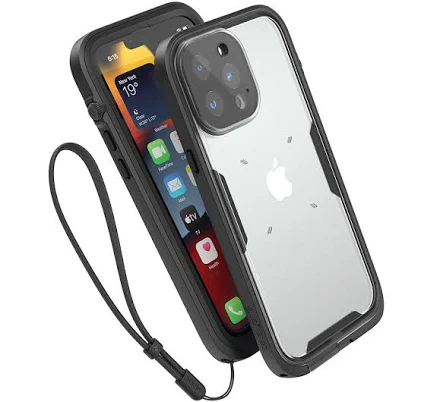
Catalyst Total Protection Waterproof Case for iPhone 13 Pro Max
No coating described, and no PFAS statement from the brand.
The product information we reviewed describes elastomer/rubber, with no water-repellent coating named. Water resistance on products like this usually comes from the material and its seals rather than a surface treatment. The brand has published no PFAS statement for it.
We flunk more products than we pass. This one earned its grade. How we grade
Material
Elastomer/rubber
Brand disclosure
Brand is silent on PFAS
Lab data
No public lab test
You may also be interested in
Top-graded picks in the categories readers replace first, every one scored on the same rubric.

Aqua Pure
3M Aqua-Pure AP802B Whole House Filter Housing
- polypropylene filter housing, carbon/sediment cartridge
- We found no PFAS statement from the brand
- Bacterial growth in spent cartridges
3 hazards checked on this product. See all of them.

Aquasure
Premier Series 75 GPD Under Sink Reverse Osmosis Water Filtration System
- RO membrane, carbon filters, stainless steel housing
- We found no PFAS statement from the brand
- Bacterial and microbial growth in housing and filters
4 hazards checked on this product. See all of them.

Avocado
Vegan Mattress
- organic cotton, natural latex, coconut coir, recycled steel coils
- The brand calls it PFAS-free, which we have not verified
- Heavy metals
2 hazards checked on this product. See all of them.
What Catalyst Total Protection Waterproof Case is made of, ingredients and materials
The Catalyst Total Protection case is constructed from elastomer (synthetic rubber), a material chosen for its durability, flexibility, and water resistance without requiring additional waterproof coatings. Elastomer itself does not leach heavy metals or BPA under normal use conditions. The sealed design, relying on gaskets and the material's inherent properties rather than applied coatings, avoids the degradation risks seen in some coated cases, making it more stable over time.
What’s concerning
Category baseline
The starting point for this type of product, before anything specific to this product is counted.
No PFAS disclosure
No public statement from the brand about PFAS in this product.
Elastomer off-gassing / VOC release
New elastomer cases may emit minor volatile organic compounds (VOC) during the first days of use, especially if stored in warm conditions. This is typical for the material class, generally not hazardous at room temperature, but ventilation during initial use is reasonable precaution.
Bacterial or mold growth in sealed chamber
If water does enter the sealed case after gasket failure, moisture trapped inside can support microbial growth over weeks. Risk is mechanical (seal failure) rather than chemical, but users should not assume a failed seal can be left unreplaced.
What’s reassuring
Base material not linked to PFAS
The main material recorded for this product is not one associated with PFAS.
Gasket / seal material safety
Gaskets are typically silicone or rubber blends; no specific information on Catalyst's gasket composition is publicly available. Contamination risk is low because gaskets do not contact the phone screen or food contact surfaces.
Phthalate or plasticizer content
Elastomer materials in modern consumer cases are not typically formulated with phthalates; however, Catalyst does not disclose material sourcing or compliance certifications, so confirmation rests on industry standards rather than brand transparency.
Heavy metals
No recalls or contamination reports exist for this product. Elastomer cases from established brands typically use regulated colorant systems, but Catalyst provides no third-party testing data to confirm.
Source, FDA ↗The full breakdown
The brand's record and disclosure
Catalyst does not publish explicit safety certifications or PFAS statements for this product line. The brand has no documented public safety recalls or toxicity controversies on record for phone cases. Without independent testing or material transparency disclosures, assessment relies on elastomer's established safety profile and the absence of reported user harm with this specific case model.
How it compares in its category
Elastomer cases typically do not require plasticizers (phthalates) or flame retardants, unlike some polymer alternatives. Compared to silicone cases (similar but softer) or rigid plastic cases with protective coatings, this elastomer case avoids the off-gassing and coating-degradation hazards that can arise with lower-quality materials. Waterproof cases in this price and quality tier typically achieve sealing through gaskets and material thickness rather than chemical treatments.
If you buy it
Inspect gaskets and seals every 6-12 months for wear or deformation, as water resistance depends on these mechanical barriers remaining intact. Avoid prolonged exposure to extreme heat (above 60C/140F), which can soften elastomer slightly, though the material is stable in normal temperature ranges. Clean the case periodically with mild soap and water to prevent residue buildup around seals. Replace the case if gaskets become visibly compressed, cracked, or if water begins to seep into the sealed chamber.
What we don’t know
- Basis
- Model estimate, 35% confidence, not a lab result
- Lab test
- None on record for this exact product
- Brand statement
- Catalyst has made none
Formulations change between production runs, so check the current label. How we grade.
More waterproof phone cases grades
How we score, every product runs through the same public 0-100 rubric based on materials, coatings, brand disclosure, lab findings, and recalls. See the full methodology → Spotted a mistake? Report an error.