Charlotte Tilbury · Lip Balm & Long-Wear Lipstick
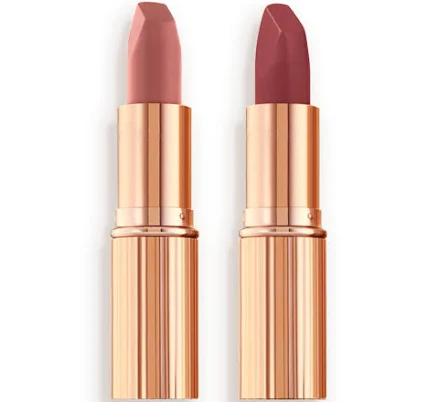
Charlotte Tilbury Pillow Talk Lipstick Duo
Lipstick unlikely to contain PFAS, but brand provides no disclosure.
Charlotte Tilbury's lipstick uses conventional cosmetic waxes and binders with no known PFAS risk. Brand is silent on PFAS, which is typical for prestige cosmetics without water or stain resistance claims.
We flunk more products than we pass. This one earned its grade. How we grade
Material
Wax, oils, pigments, polymeric binders
Lab data
No public lab test
You may also be interested in
Top-graded picks in the categories readers replace first, every one scored on the same rubric.

- polypropylene filter housing, carbon/sediment cartridge
- We found no PFAS statement from the brand
- Bacterial growth in spent cartridges
3 hazards checked on this product, all on its full breakdown.

Aquasure
Premier Series 75 GPD Under Sink Reverse Osmosis Water Filtration System
- RO membrane, carbon filters, stainless steel housing
- We found no PFAS statement from the brand
- Bacterial and microbial growth in housing and filters
4 hazards checked on this product, all on its full breakdown.

Avocado
Vegan Mattress
- organic cotton, natural latex, coconut coir, recycled steel coils
- The brand calls it PFAS-free, which we have not verified
- Heavy metals
2 hazards checked on this product, all on its full breakdown.
What Charlotte Tilbury Pillow Talk Lipstick Duo is made of, ingredients and materials
Charlotte Tilbury Pillow Talk Lipstick Duo contains waxes (likely beeswax or synthetic alternatives), oils, and pigments typical of premium lipsticks. The polymeric binders help the product adhere and last longer on lips. This formulation is chemically stable at body temperature and designed for direct oral contact, meaning any leachable components face immediate ingestion risk, which is why cosmetic-grade materials are regulated differently than cookware or textiles. The closed, anhydrous (water-free) formula limits microbial growth pathways compared to liquid or cream products.
What’s concerning
Category baseline
The starting point for this type of product, before anything specific to this product is counted.
No PFAS disclosure
No public statement from the brand about PFAS in this product.
Fragrance allergens and sensitizers
Luxury lipsticks often include fragrance or flavor compounds; Charlotte Tilbury Pillow Talk is marketed with a rose scent. Fragrance mixtures are not individually itemized on labels and can trigger contact dermatitis or irritation in sensitive individuals. This is a category-wide concern, not brand-specific.
What’s reassuring
Base material not linked to PFAS
The main material recorded for this product is not one associated with PFAS.
Lead
Charlotte Tilbury does not publish heavy-metal test results for this product. Regulatory limits for cosmetic colorants exist in the EU and US, but no independent testing of this specific lipstick duo has been disclosed publicly. Risk is low for periodic lipstick use because ingestion via lips is minimal, but no brand-specific data rules out contamination.
Source, ATSDR ↗1,4-Dioxane (solvent contaminant)
This product's wax and oil base does not typically require 1,4-dioxane as a processing aid, unlike emulsified creams or gels. Charlotte Tilbury has not reported 1,4-dioxane testing, so the hazard is not documented, but the formulation type (anhydrous wax) makes it an unlikely concern.
Formaldehyde / VOCs
Anhydrous lipstick formulas do not typically require formaldehyde preservatives because water is absent and bacterial growth is inhibited. No recalls or reports link this product to formaldehyde exposure.
Source, ATSDR ↗Talc contamination or asbestos
Talc is sometimes used in powder products but is uncommon in lipsticks; the wax-based formula of this product makes talc unlikely. Charlotte Tilbury has not reported talc use, and no public safety alerts exist for this product line.
How is this PFAS grade calculated?
The brand's record and disclosure
Charlotte Tilbury, owned by Estee Lauder Companies, does not publicly disclose ingredient sourcing details or third-party certifications for heavy metals, allergens, or contaminants beyond standard regulatory compliance. The brand has no documented recalls or safety controversies tied to this product line. The company does not engage in detailed transparency reporting on formulation chemistry or supply-chain oversight, which is common but not exceptional in the luxury cosmetics segment. No cruelty-free or organic certifications are prominently claimed for this product.
How it compares in its category
This lipstick sits in the premium tier where formulation safety is generally consistent with mass-market brands due to shared ingredient suppliers and regulatory oversight. However, luxury cosmetics often lack third-party heavy-metal testing that some indie or certified-organic brands voluntarily publish. The dual-stick format is no more or less hazardous than single lipsticks; the main trade-off is more product exposure surface area during application and storage. Comparable brands (MAC, NARS, Bobbi Brown) operate under similar disclosure constraints.
If you buy it
Store in a cool, dry place away from direct sunlight to prevent wax separation or pigment degradation that could release free particles. Do not leave lipstick in hot cars or direct heat for prolonged periods, as this can alter formulation stability. Replace after 1-2 years or if you notice color separation, odor change, or visible mold. Wash your hands before application if you have sensitive skin or are prone to contact dermatitis, as fragrance oils (if present) may trigger reactions in a small subset of users.
What is not known about PFAS in this product?
- Basis
- Model estimate, 72% confidence, not a lab result
- Lab test
- None on record for this exact product
- Brand statement
- Charlotte Tilbury has made a specific claim
Formulations change between production runs, so check the current label. How we grade.
More lip balm & long-wear lipstick grades
How we score, every product runs through the same public 0-100 rubric based on materials, coatings, brand disclosure, lab findings, and recalls. See the full methodology → Spotted a mistake? Report an error.