Cherokee · Scrubs & Work Uniforms
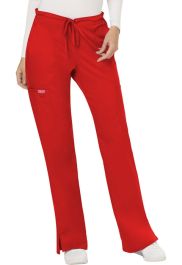
Cherokee Workwear Revolution Women's Mid Rise Flare Drawstring Cargo Scrub Pant WW120
Lower concern; no evidence of PFAS treatment in standard scrub fabric.
Cherokee scrub pants are uncoated cotton-polyester blend with no water-repellent or stain-resistant finish mentioned. Brand makes no PFAS disclosure, but material type carries lower inherent PFAS risk versus treated workwear.
Still want this one anyway? Check the price on Amazon. We’d swap it.
Material
polyester/cotton blend knit
Brand disclosure
Brand is silent on PFAS
Lab data
No public lab test
You may also be interested in
Top-graded picks in the categories readers replace first, every one scored on the same rubric.

- polypropylene filter housing, carbon/sediment cartridge
- We found no PFAS statement from the brand
- Bacterial growth in spent cartridges
3 hazards checked on this product, all on its full breakdown.

Aquasure
Premier Series 75 GPD Under Sink Reverse Osmosis Water Filtration System
- RO membrane, carbon filters, stainless steel housing
- We found no PFAS statement from the brand
- Bacterial and microbial growth in housing and filters
4 hazards checked on this product, all on its full breakdown.

Avocado
Vegan Mattress
- organic cotton, natural latex, coconut coir, recycled steel coils
- The brand calls it PFAS-free, which we have not verified
- Heavy metals
2 hazards checked on this product, all on its full breakdown.
What Cherokee Workwear Scrub Pant WW120 is made of, ingredients and materials
This product is a polyester-cotton blend knit fabric typical of medical scrubwear. Polyester provides durability and wrinkle resistance; cotton adds breathability and skin comfort. Blended construction reduces shrinkage and wear compared to 100% cotton. The drawstring waistband and cargo pockets are standard construction with no specialty coatings or treatments named in the product specification.
What’s concerning
Category baseline
The starting point for this type of product, before anything specific to this product is counted.
No PFAS disclosure
No public statement from the brand about PFAS in this product.
Azo dyes (synthetic colorants)
Standard polyester-cotton textiles may use azo dyes, which can break down into aromatic amines under sweat and repeated washing. Brand does not publish dye certification; risk is typical for mass-market scrubwear and not elevated for this product.
Antimony in polyester fiber
Antimony is a known catalyst used in polyester synthesis and can leach slightly during wear and washing. Exposure levels in garment contact are below regulatory concern for occupational clothing, but the hazard is inherent to polyester fiber composition and not specifically disclosed.
Microplastic shedding during washing
All synthetic textiles, including polyester blends, shed microfibers during washing. Shed rate increases with pilling and abrasion; standard laundry practices do not eliminate this, though shorter wash cycles and gentler agitation reduce it.
What’s reassuring
Base material not linked to PFAS
The main material recorded for this product is not one associated with PFAS.
Formaldehyde / VOCs
Scrub knits sometimes receive formaldehyde-based wrinkle-resist finishes. No evidence of such treatment is stated in product specifications for this item; polyester-cotton blends achieve wrinkle resistance through fiber properties alone in most budget and mid-range lines.
Source, ATSDR ↗Flame retardants
Medical scrubwear is not typically flame-retardant treated unless explicitly marketed as such. No indication in product name or category that this item carries added flame retardants; standard polyester-cotton knit does not meet flammability standards on its own and is not required to in this use.
Source, EPA ↗How is this PFAS grade calculated?
The brand's record and disclosure
Cherokee is a major scrubwear and occupational apparel brand owned by Amedisys and distributed widely through medical suppliers. The brand does not publicly disclose material certifications, chemical testing results, or restricted substance policies in public channels. No recalls or safety disputes specific to this product line are on record. Standard industry practice for scrub fabrics does not typically involve flame retardant treatments.
How it compares in its category
Polyester-cotton blends dominate the scrubwear market and are considered standard-risk for occupational textiles. This product is representative of mid-range pricing and material composition. Alternatives include higher-end brands with published chemical certifications (e.g., OEKO-TEX) or 100% cotton options with higher shrinkage and maintenance burden. Price and performance positioning do not distinguish this item as lower or higher concern than comparable unisex or gendered scrub pants.
If you buy it
Wash in cold to warm water with standard detergent; polyester-cotton blends tolerate repeated hot water and industrial laundry cycles typical of healthcare settings. Do not use fabric softeners, which can reduce moisture-wicking. Inspect seams and waistband after 20-30 washes for fraying or pilling, which is cosmetic but may affect durability. Replace when elastic loses tension or fabric shows visible wear; standard lifecycle is 50-100 washes in clinical use.
What is not known about PFAS in this product?
- Basis
- Model estimate, 72% confidence, not a lab result
- Lab test
- None on record for this exact product
- Brand statement
- Cherokee has made none
Formulations change between production runs, so check the current label. How we grade.
More scrubs & work uniforms grades
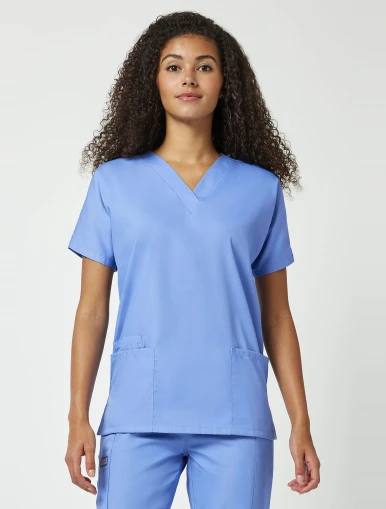 65Cherokee V-Neck Scrub Top for Women with 3 Pockets & Dolman Sleeve - 4700
 65Landau Men's Lab Coat - 65% Poly/35% Combed Cotton 5 Buttons
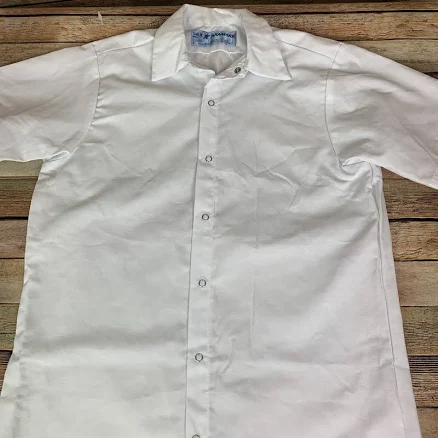 65Aramark Uniform Work Shirt Employee Short Sleeve White Snap Button Up
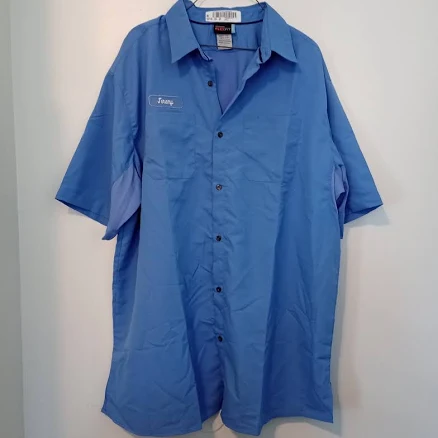 65Men’s 2xl Aramark Flexfit Uniform Work Shirt Blue
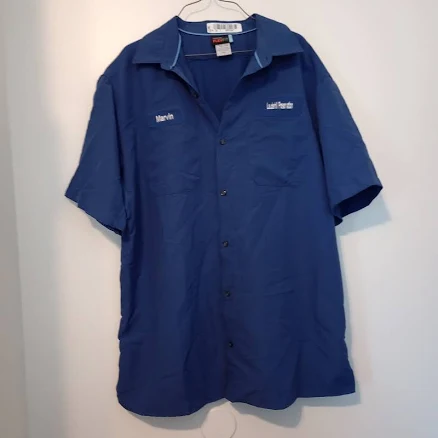 65Xl Aramark Flexfit Blue Work Shirt Short Sleeve Uniform
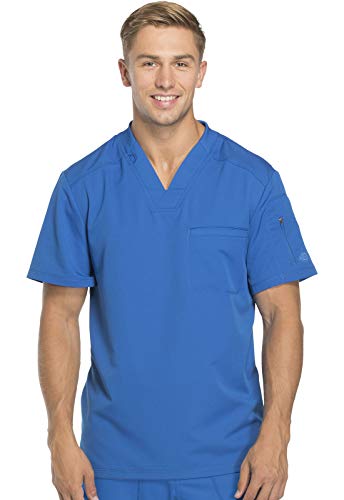 65Dickies Forge Men's 3-Pocket V-Neck Scrub Top
 65Landau Men's Lab Coat - 100% Cotton Super Twill
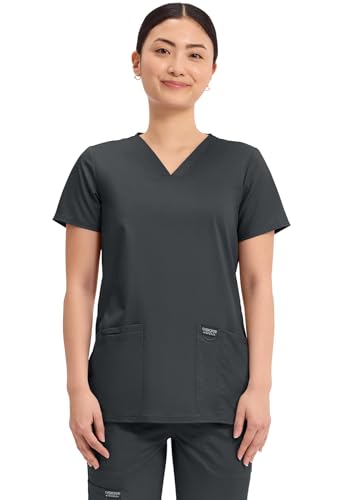 65Cherokee Workwear Originals Ultra Women's 2-Pocket V-Neck Scrub Top
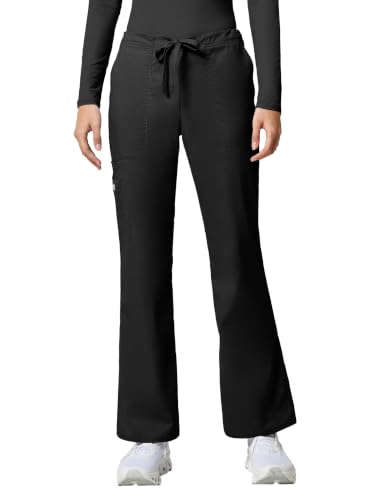 65Cherokee Workwear Women's 3-Pocket Flare Leg Drawstring Scrub Pants
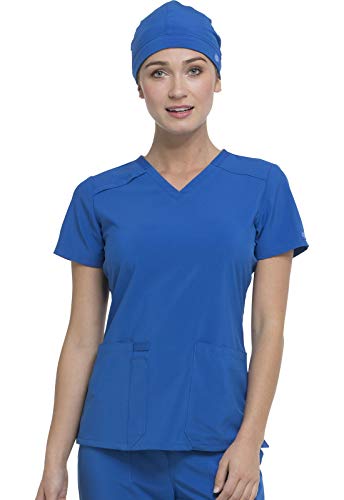 65Dickies EDS Essentials Unisex STRETCH Inner Terrycloth Scrub HatCompare vs Dickies →All scrubs & work uniforms →
How we score, every product runs through the same public 0-100 rubric based on materials, coatings, brand disclosure, lab findings, and recalls. See the full methodology → Spotted a mistake? Report an error.