Circulon · Non-Stick Kitchen Gadgets
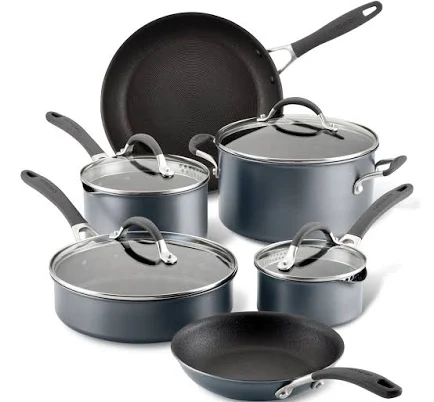
Circulon ScratchDefense Nonstick Cookware Set
Skip until Circulon discloses coating chemistry or certifies PFAS-free.
Circulon uses a secret nonstick formula but won't disclose PFAS status or ingredients. No independent verification is available.
The better-graded swap
Our Place
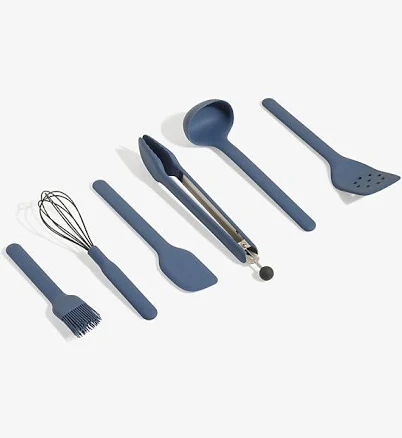
Our Place Utensil Essentials 6-Piece Silicone Utensil Set
90/100 safety
Same rubric that flunked this product. The swap earned Excellent.
Still want this one anyway? Check the price on Amazon. We’d swap it.
Material
Nonstick coating, type unspecified
Lab data
No public lab test
Is Circulon ScratchDefense Nonstick Cookware non-toxic? What it is made of
Circulon ScratchDefense cookware uses a hard-anodized aluminum base with a multilayer nonstick coating proprietary to the brand. The exact chemistry of the nonstick layer is not publicly disclosed, though Circulon markets it as scratch-resistant and durable. Without confirmation of PFAS-free formulation, the coating composition remains a transparency gap. Hard-anodized aluminum itself is not a hazard if the anodization layer remains intact, but nonstick coatings can degrade with use and release particles or fumes if overheated.
What’s concerning
Category baseline
The starting point for this type of product, before anything specific to this product is counted.
No PFAS disclosure
No public statement from the brand about PFAS in this product.
Non-stick, chemistry undisclosed
Marketed as non-stick without stating the coating chemistry.
Teflon-type coating fume risk (nonstick coating thermal decomposition)
Circulon does not confirm the nonstick chemistry; if it contains Teflon-type coating (as is typical for hard-anodized lines without public PFAS-free certification), overheating above 500F can release toxic fumes. The risk is mitigated by staying below 400F and ensuring good ventilation.
Coating degradation and microparticles
Nonstick coatings on hard-anodized pans inherently degrade with use, especially with metal utensils or dishwasher cycling. Once the surface flakes or chips visibly, ingestion of coating particles becomes a documented concern with traditional nonstick cookware.
Aluminum leaching (if anodization fails)
Hard-anodized aluminum is designed to prevent aluminum from leaching into food; however, if the anodized layer is scratched or damaged and cookware is used with acidic foods, some aluminum may dissolve. This is a secondary risk contingent on significant coating damage.
PFAS
Circulon's refusal to disclose nonstick coating chemistry or obtain PFAS-free certification leaves consumers unable to make an informed choice about fluorinated chemicals. This transparency gap is not a direct toxin but prevents risk assessment.
Source, ATSDR ↗The full breakdown
The brand's record and disclosure
Circulon (owned by Group SEB) has not made public commitments to PFAS-free nonstick technology or disclosed the specific chemistry of its ScratchDefense coating. The brand does not advertise third-party certification (such as GREENGUARD or GreenPan's certification standard for PFAS-free cookware). Industry context, many traditional hard-anodized nonstick cookware lines still use Teflon-type coating-based coatings with fluorinated surfactants, though newer alternatives exist. Circulon's silence on this issue is notable given competitor transparency from brands like GreenPan and Caraway.
How it compares in its category
Hard-anodized nonstick cookware is mid-range in durability and heat tolerance compared to ceramic-coated alternatives (which avoid Teflon-type coating entirely) and premium tri-ply stainless steel (which requires seasoning but eliminates coating concerns). ScratchDefense specifically targets the durable-coating market segment, but scratch resistance does not guarantee PFAS avoidance. Among major brands, Circulon's lack of PFAS certification puts it behind GreenPan (certified PFAS-free), Caraway (also PFAS-free), and T-fal's newer lines, though it may cost less upfront.
If you buy it
Do not use at temperatures above 400F (check manual); high heat accelerates coating breakdown and potential fume release. Use silicone, wood, or plastic utensils only; metal utensils will chip the nonstick layer faster. Hand wash instead of dishwasher to extend coating life and reduce thermal stress. Inspect the pan annually for visible wear, scratches, or flaking; once the nonstick surface is visibly compromised, replace the cookware rather than risk ingesting or inhaling coating particles.
What we don’t know
- Basis
- Model estimate, 35% confidence, not a lab result
- Lab test
- None on record for this exact product
- Brand statement
- Circulon has made a specific claim
Formulations change between production runs, so check the current label. How we grade.
Better-graded alternatives in Non-Stick Kitchen Gadgets
Our Place
Utensil Essentials 6-Piece Silicone Utensil Set
- Silicone utensils, no coating
- The brand calls it PFAS-free, which we have not verified
- Microplastic generation
2 hazards checked on this product. See all of them.
Our Place
Essential Utensil Set
- Stainless steel utensils
- The brand calls it PFAS-free, which we have not verified
- Nickel leaching from stainless steel
2 hazards checked on this product. See all of them.
Our Place
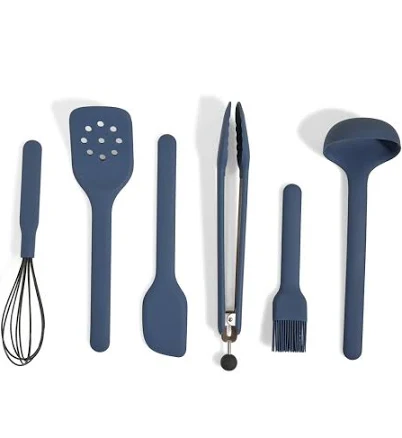
Utensil Essentials Set
- Stainless steel utensils, material unclear
- The brand calls it PFAS-free, which we have not verified
- Handle material degradation (if present)
2 hazards checked on this product. See all of them.
More non-stick kitchen gadgets grades
How we score, every product runs through the same public 0-100 rubric based on materials, coatings, brand disclosure, lab findings, and recalls. See the full methodology → Spotted a mistake? Report an error.